

Bloomberg: Two Chinese Oil Tankers Approaching Strait of Hormuz
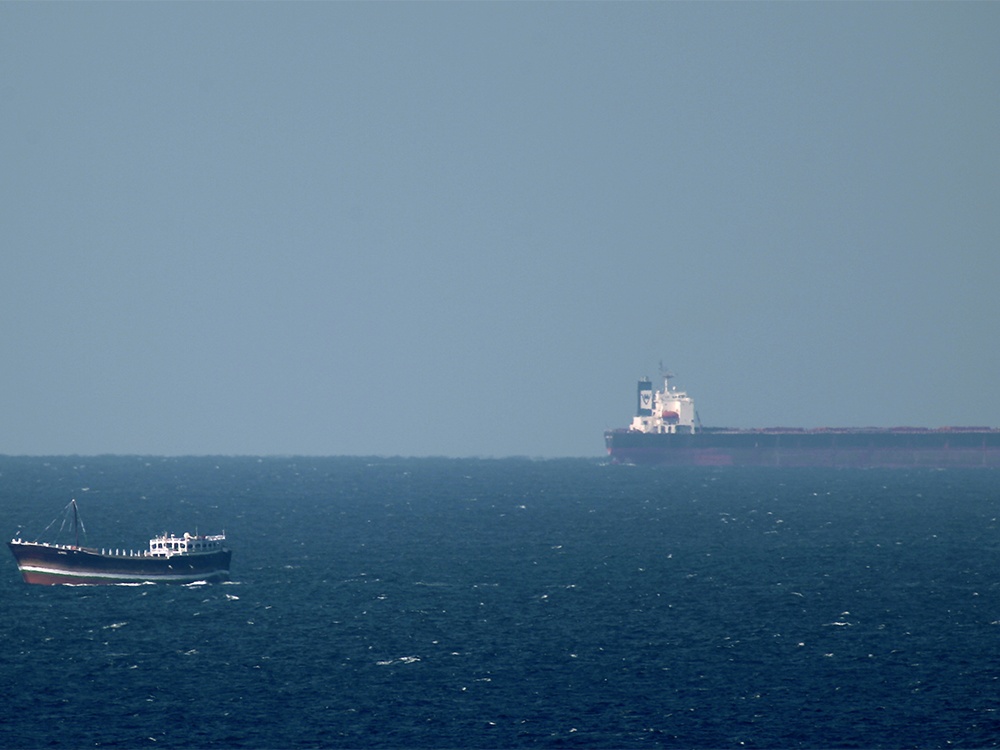
Two Chinese oil tankers are reportedly approaching the Strait of Hormuz, the narrow waterway that serves as the world's most critical chokepoint for global energy supplies, according to Bloomberg. The development comes amid heightened tensions over international trade flows and energy security in the Persian Gulf region.
The Strait of Hormuz, situated between Oman and Iran, handles roughly one-fifth of the world's total oil consumption daily, with approximately 21 million barrels passing through its waters. Any disruption to traffic through the 33-kilometer-wide passage has historically sent shockwaves through global commodity markets and raised alarm among energy-importing nations worldwide.
The movement of the Chinese vessels through this strategic corridor underscores Beijing's deepening engagement with Gulf energy producers at a time when geopolitical realignments are reshaping traditional oil trade routes. China remains the world's largest crude oil importer, with a significant share of its supplies originating from Gulf states including Saudi Arabia, Iraq, Kuwait, and the United Arab Emirates.
For Qatar, the strait holds particular significance as the gateway through which the nation's vast liquefied natural gas exports reach Asian markets. As the world's leading LNG exporter, Qatar has long emphasized the importance of maintaining freedom of navigation through the Hormuz corridor, a position reinforced by Doha's extensive diplomatic relationships with both regional and international stakeholders.
Analysts noted that the tanker movements reflect the broader trend of China securing energy supply chains amid an increasingly volatile global trade environment. Beijing has steadily expanded its strategic petroleum reserves and diversified its supplier base, with Gulf producers remaining central to its energy security calculus.
The Strait of Hormuz has been a focal point of regional tensions in recent years, with periodic incidents involving commercial vessels raising concerns about the vulnerability of global energy infrastructure. Gulf Cooperation Council states, led by Qatar and Saudi Arabia, have consistently called for diplomatic solutions to ensure the unimpeded flow of hydrocarbons through the waterway.
Regional observers said the Chinese tanker approach highlights the interconnected nature of Gulf energy politics and great-power competition. Qatar's strategic position as both a major energy supplier to China and a mediator in regional disputes places Doha at the center of efforts to maintain stability in one of the world's most consequential maritime passages.
Global oil prices showed modest movement following the reports, with Brent crude trading near recent levels as markets assessed the implications of the development for supply chain continuity in the Gulf region.
النسخة العربية
ناقلة نفط صينية تقترب من مضيق هرمز، وهو ممر حيوي للتجارة العالمية يربط الخليج العربي بالمحيط الهندي
أفادت وكالة بلومبرغ بأن ناقلتي نفط صينيتين تقتربان من مضيق هرمز، الممر المائي الضيق الذي يُعدّ أهم نقطة اختناق للإمدادات النفطية العالمية. ويأتي هذا التطور في ظل تصاعد التوترات المتعلقة بتدفقات التجارة الدولية وأمن الطاقة في منطقة الخليج العربي.
يقع مضيق هرمز بين سلطنة عُمان وإيران، ويمر عبر مياهه ما يقارب واحداً من كل خمسة براميل من النفط المستهلك عالمياً يومياً، أي نحو واحد وعشرين مليون برميل. وأي اضطراب في حركة الملاحة عبر هذا الممر الذي لا يتجاوز عرضه ثلاثة وثلاثين كيلومتراً كان تاريخياً كفيلاً بإحداث هزات في أسواق السلع العالمية وإثارة قلق الدول المستوردة للطاقة.
تعكس تحركات الناقلات الصينية عبر هذا الممر الاستراتيجي تعمّق انخراط بكين مع منتجي الطاقة في الخليج، في وقت تعيد فيه التحولات الجيوسياسية رسم خطوط تجارة النفط التقليدية. وتظل الصين أكبر مستورد للنفط الخام في العالم، إذ يأتي جزء كبير من إمداداتها من دول الخليج بما فيها المملكة العربية السعودية والعراق والكويت والإمارات العربية المتحدة.
Source tweet
🚨 Chinese oil tankers approach the strategic Strait of Hormuz, a crucial global energy chokepoint. How might this impact regional dynamics and global oil markets? #EnergyDiplomacy
More Stories
 Iran
IranNBC Reports 12 Ships Passed Through Strait of Hormuz in 24 Hours
 Iran
IranIranian Forces Divert Two Oil Tankers in Strait of Hormuz
 Diplomacy
Trump Demands NATO Act on Hormuz as Iran Strait Crisis Deepens
 Gulf
GulfGCC Council Welcomes Condemnation of Iranian Mine Threats in Hormuz Strait
 Iran
Iran