

Cost of Living in Qatar 2026: Rent, Groceries, Transport & Salary Guide

As Qatar prepares for 2026, the cost of living for expatriates is projected to experience significant fluctuations, influenced by various factors including regional tensions and economic developments.
In recent years, Qatar has seen a steady increase in the cost of living, particularly in urban areas where demand for housing remains high. Average rent prices vary significantly depending on the neighborhood. In West Bay, a popular area among expatriates, the average monthly rent for a one-bedroom apartment can reach around QAR 8,000. The Pearl, known for its luxurious lifestyle, sees rents soar to approximately QAR 10,000 for similar accommodations. In contrast, areas like Al Sadd offer more affordable options, with rents averaging QAR 5,500. Lusail, a rapidly developing area, is also becoming increasingly attractive, with rents averaging around QAR 7,000.
Grocery costs are another critical aspect of the expatriate experience in Qatar. Prices for essential items have been on the rise, with a typical monthly grocery bill for a family of four estimated at around QAR 2,500. This figure reflects the growing costs of imported goods, which are often subject to fluctuations due to regional supply chain issues. Basic items such as milk, bread, and eggs have seen price increases, prompting many expatriates to seek alternative shopping options, including local markets and wholesale suppliers.
Utility bills, which include electricity, water, and internet, also contribute to the overall cost of living. On average, a household can expect to pay around QAR 800 per month for utilities, although this can vary based on consumption and lifestyle choices. Transportation costs are relatively manageable, with public transport options expanding and taxi fares remaining competitive. A monthly public transport pass typically costs around QAR 100, making it an economical choice for many residents.
Education is another significant expense for expatriate families. International schools, which cater to the diverse expatriate community, charge tuition fees that can range from QAR 30,000 to QAR 70,000 per year, depending on the institution and grade level. This financial burden often influences families' decisions on where to live, as proximity to schools can be a priority.
The economic landscape in Qatar is also shaped by broader Gulf tensions, which have implications for the pricing and availability of goods and services. Ongoing geopolitical issues can lead to uncertainty in the market, affecting everything from import costs to consumer confidence. As the region navigates these challenges, expatriates may need to adjust their budgets and expectations accordingly.
In terms of salary expectations, expatriates in various industries can anticipate differing compensation packages. The oil and gas sector continues to offer some of the highest salaries, while roles in education, healthcare, and hospitality may present more modest pay scales. Understanding these dynamics is crucial for expatriates planning their financial futures in Qatar.
As Qatar moves towards 2026, the cost of living landscape for expatriates is expected to evolve, influenced by both local economic conditions and regional developments. For many expatriates, careful financial planning and awareness of market trends will be essential in navigating the complexities of living in this vibrant Gulf nation. The ongoing changes present both challenges and opportunities, making it imperative for residents to stay informed and adaptable in this dynamic environment.
النسخة العربية
تكلفة المعيشة في قطر 2026: دليل الإيجار والبقالة والرواتب للمغتربين
تشهد قطر في عام 2026 تغيرات ملحوظة في تكاليف المعيشة، حيث يتعين على المقيمين الأجانب التعامل مع ارتفاع في أسعار الإيجارات والمواد الغذائية، مما يضع تحديات جديدة أمامهم في ظل التوترات الخليجية التي تؤثر على الأسعار.
تعتبر قطر واحدة من الوجهات المفضلة للمغتربين بفضل اقتصادها المزدهر ومستوى المعيشة المرتفع، إلا أن التغيرات الاقتصادية والسياسية في المنطقة تلقي بظلالها على تكاليف المعيشة. في المناطق السكنية الشهيرة مثل ويست باي واللؤلؤة ولوسيل والسد، شهدت الإيجارات ارتفاعًا ملحوظًا. ويعد ويست باي من أغلى المناطق، حيث يصل متوسط الإيجار لشقة من غرفتين إلى حوالي 15,000 ريال قطري شهريًا. بينما في اللؤلؤة، يمكن أن تصل الإيجارات إلى 18,000 ريال قطري لنفس النوع من الشقق.
أما بالنسبة للمواد الغذائية، فقد ارتفعت أسعار السلع الأساسية بشكل ملحوظ. ويعزى ذلك جزئيًا إلى التوترات السياسية في المنطقة والتي أثرت على سلاسل التوريد. وتشمل الزيادات في الأسعار المواد الغذائية المستوردة مثل اللحوم والألبان، مما يضع عبئًا إضافيًا على ميزانيات الأسر.
More Stories
 Gulf
GulfHouthis Back Iran 2026: Red Sea Shipping Toll Threatens Gulf Trade
 Gulf
GulfUS Airstrikes Hit Houthi Targets in Yemen 2026: Red Sea Escalation Update
 flights
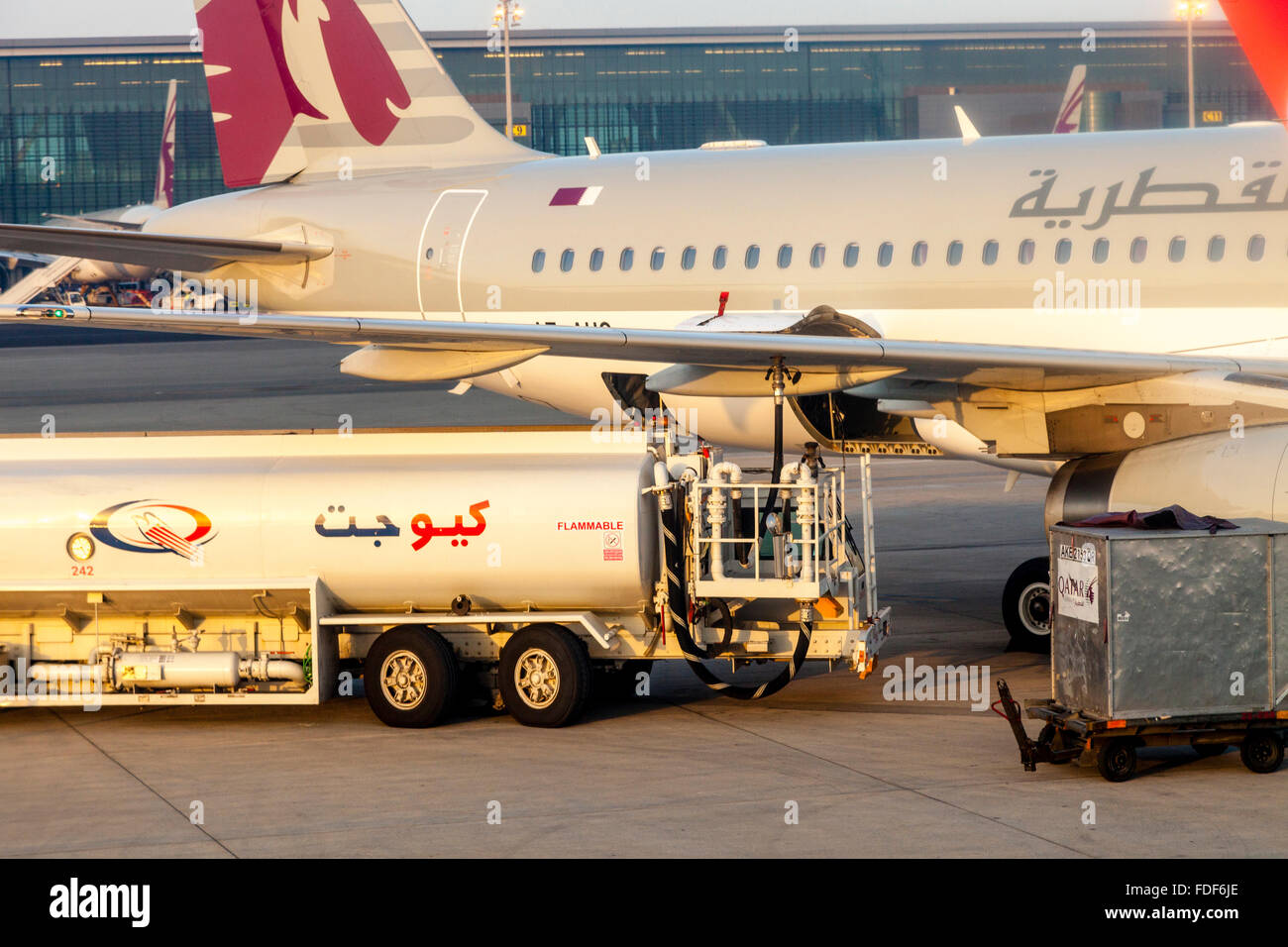
Qatar Jet Fuel Shortage 2026: Doha Airport Supply Crisis Hits Airlines
 Iran
IranIran Executes Mossad Spy 2026: Tehran Cracks Down on Israeli Intelligence
 Diplomacy