

Current Escalation Reflects Full Agreement Between Washington and Tel Aviv on Iran
The ongoing military escalation against Iran points to what analysts describe as a near-complete alignment between Washington and Tel Aviv on their strategic approach toward Tehran, raising urgent questions about the future of regional stability and the prospects for diplomatic engagement in the Middle East.
The coordinated posture between the United States and Israel has become increasingly apparent in recent weeks, with both governments signaling a shared willingness to intensify pressure on Iran through military and economic channels. Observers note that the current phase marks a departure from earlier periods in which Washington sought to temper Israeli actions or maintain a degree of diplomatic distance from Tel Aviv's more hawkish positions on Iran.
The convergence has drawn concern from regional capitals, where diplomats fear that a unified American-Israeli front could narrow the space for negotiated solutions to the Iranian nuclear file and broader security arrangements. Gulf states, which have pursued a balanced approach emphasizing dialogue and de-escalation, now face a shifting landscape in which the room for mediation may be considerably reduced.
Qatar, which has long maintained open channels of communication with Tehran while preserving its strategic partnership with Washington, finds itself at a critical juncture. Doha has consistently advocated for diplomatic solutions to regional disputes and has played a key role in facilitating negotiations on issues ranging from hostage exchanges to nuclear talks. The current escalation threatens to undermine these efforts and could complicate Qatar's position as a trusted intermediary.
Regional analysts warn that the Washington-Tel Aviv alignment risks provoking a broader cycle of confrontation that could draw in multiple actors across the Middle East. Iran has signaled that it views the coordinated pressure campaign as an existential threat, raising the possibility of retaliatory measures that could further destabilize an already fragile region.
The escalation also carries significant implications for energy markets and global trade routes, both of which are closely tied to Gulf security. Any disruption to shipping lanes in the Strait of Hormuz or attacks on energy infrastructure would have immediate consequences for the global economy, a scenario that Gulf producers including Qatar have long sought to prevent through proactive diplomacy.
Diplomatic sources in the region have called for restraint from all parties and emphasized the need to preserve channels of dialogue. The Arab League and the Gulf Cooperation Council have both stressed the importance of resolving disputes through negotiation rather than military action, a position that reflects the prevailing sentiment among regional governments wary of being drawn into a conflict not of their making.
النسخة العربية
التصعيد الحالي بين واشنطن وتل أبيب في التعامل مع إيران يعكس توافقًا شبه كامل بين الطرفين، مما يثير تساؤلات حول آثار ذلك
يشير التصعيد العسكري المتواصل ضد إيران إلى ما يصفه المحللون بتوافق شبه كامل بين واشنطن وتل أبيب في مقاربتهما الاستراتيجية تجاه طهران، مما يطرح تساؤلات ملحّة حول مستقبل الاستقرار الإقليمي وآفاق العمل الدبلوماسي في منطقة الشرق الأوسط.
وقد بات التنسيق بين الولايات المتحدة وإسرائيل واضحاً بشكل متزايد خلال الأسابيع الأخيرة، إذ أرسلت الحكومتان إشارات تدلّ على استعداد مشترك لتصعيد الضغوط على إيران عبر القنوات العسكرية والاقتصادية. ويلاحظ المراقبون أن المرحلة الراهنة تمثّل تحوّلاً عن فترات سابقة سعت فيها واشنطن إلى كبح جماح التحركات الإسرائيلية أو الحفاظ على مسافة دبلوماسية معيّنة من مواقف تل أبيب الأكثر تشدداً تجاه إيران.
وقد أثار هذا التقارب قلق العواصم الإقليمية، حيث يخشى الدبلوماسيون أن تؤدي الجبهة الأمريكية الإسرائيلية الموحدة إلى تضييق المساحة المتاحة للحلول التفاوضية بشأن الملف النووي الإيراني والترتيبات الأمنية الأوسع. وتواجه دول الخليج، التي انتهجت مقاربة متوازنة تركّز على الحوار وخفض التصعيد، مشهداً متغيّراً قد يتقلّص فيه هامش الوساطة بشكل ملحوظ.
Source tweet
The current escalation suggests a full alignment between Washington and Tel Aviv in their approach towards Iran, raising concerns about the implications for regional stability and diplomacy.
More Stories
 Iran
IranChinese Foreign Ministry Calls US Deployment in Strait of Hormuz a Dangerous Escalation
 Gulf
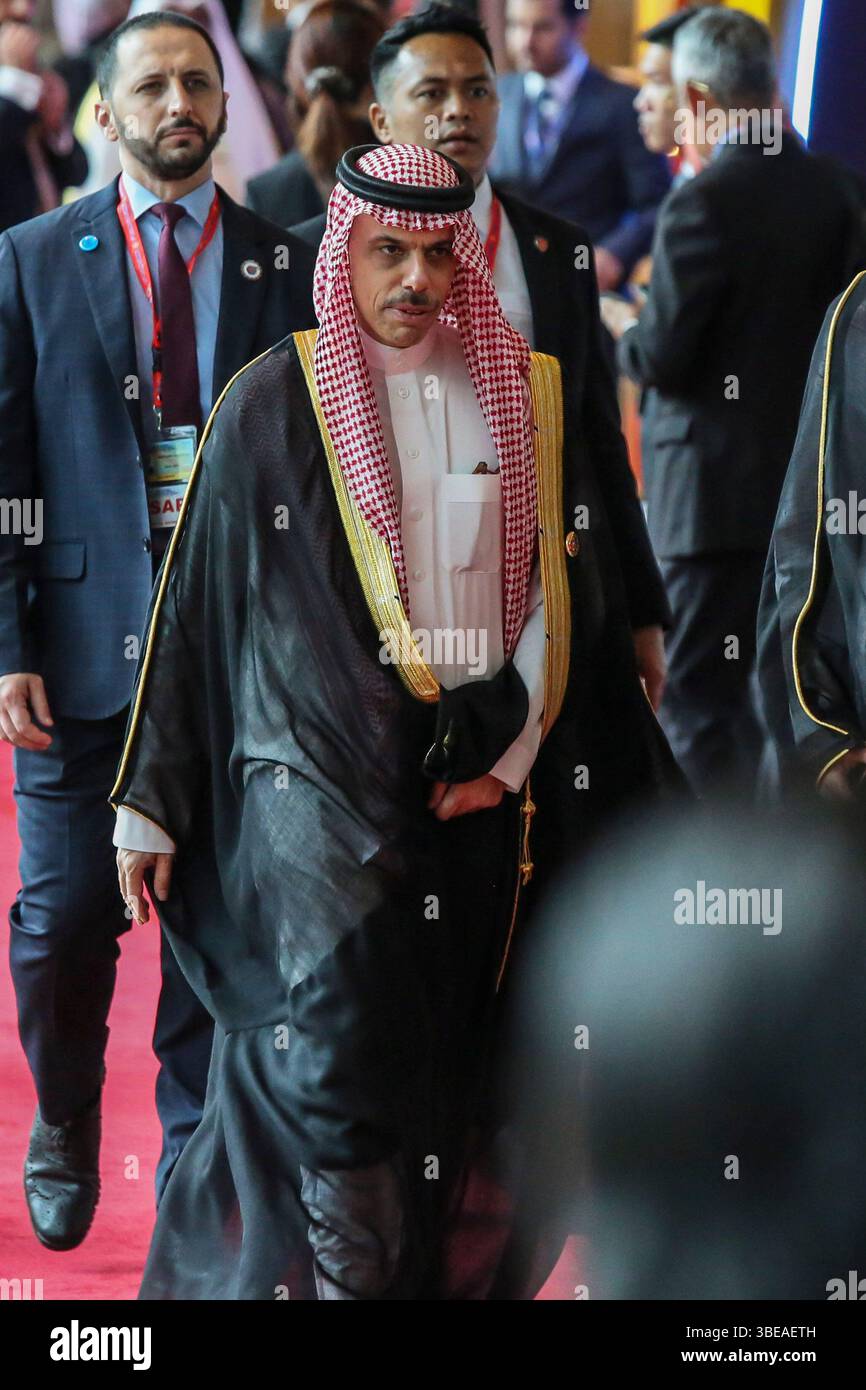
GulfQatar Foreign Ministry: Saudi PM and FM Stress Need to Intensify Efforts to Stop Escalation and Address Crisis Roots
 Iran
IranTrump States Current Situation in Strait of Hormuz Will Be Corrected Soon
 BREAKING
Escalation in Palestinian Villages as Settlers and Occupation Forces Face Resistance
 Iran
Iran