

Food Security Concerns Mount Across Africa as Iran War Disrupts Global Fertilizer Trade
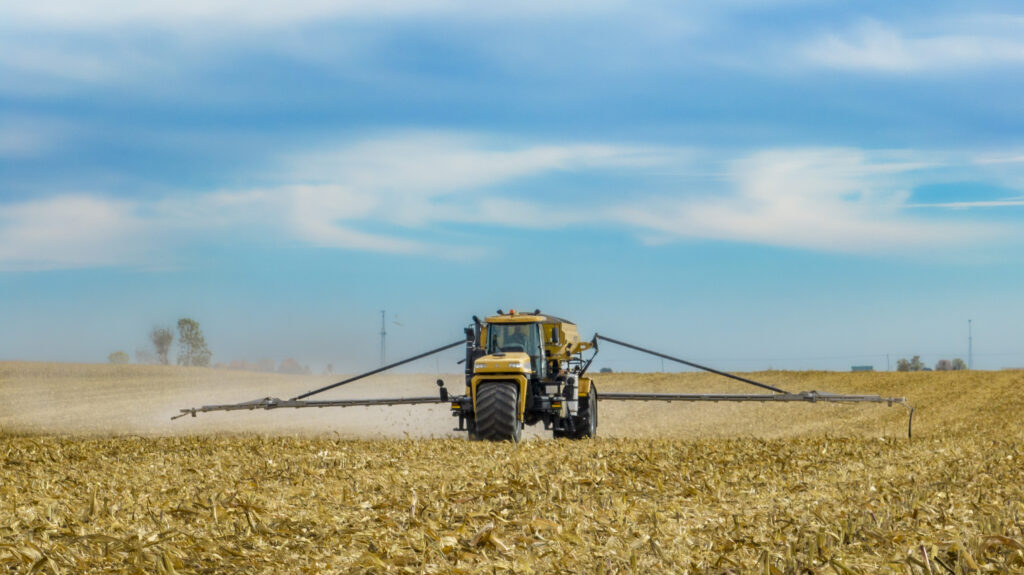
Food security in Africa is increasingly threatened as the ongoing conflict in Iran disrupts global fertilizer supplies, raising concerns among agricultural experts and policymakers about the continent's ability to sustain food production. The war in Iran has created a ripple effect on the global fertilizer market, which is critical for agricultural productivity. Fertilizers are essential for enhancing crop yields, and any disruption in their supply can lead to significant declines in food production. Africa, which relies heavily on imported fertilizers, is particularly vulnerable to such shocks. The continent has been grappling with food insecurity for years, exacerbated by climate change, economic instability, and the lingering effects of the COVID-19 pandemic. With the conflict in Iran further straining supply chains, the situation is poised to worsen, potentially leading to increased food prices and heightened malnutrition rates.
The significance of this crisis is profound. Fertilizer shortages can lead to reduced agricultural output, which in turn affects food availability and prices. Many African nations depend on agriculture as a primary source of livelihood, and disruptions in fertilizer supply can have cascading effects on local economies and food systems. The United Nations has warned that millions of people in Africa are already facing acute food shortages, and the conflict in Iran could exacerbate these challenges. Countries that heavily rely on imports for their fertilizer needs may find themselves in a precarious position, struggling to meet the demands of their populations.
In response to the crisis, experts are calling for urgent diplomatic efforts to stabilize the situation and restore fertilizer supplies. Collaborative initiatives among nations, international organizations, and agricultural stakeholders are essential to mitigate the impact of the conflict on food security. Some experts suggest that investing in local fertilizer production and exploring alternative agricultural practices could help African nations become more resilient to global supply chain disruptions in the future.
From a Gulf perspective, the implications of the Iran conflict extend beyond Africa. The Gulf Cooperation Council (GCC) countries, which have significant agricultural investments in Africa, may also face challenges related to food security and supply chain stability. As the region seeks to diversify its food sources and enhance its agricultural resilience, the situation in Iran serves as a reminder of the interconnectedness of global markets and the importance of strategic planning in agricultural investments.
As the conflict continues, the need for a coordinated response to safeguard food security in Africa becomes increasingly urgent. The stakes are high, and the potential for widespread hunger and economic instability looms large if diplomatic solutions are not pursued swiftly. The international community must prioritize efforts to address the fallout from the Iran conflict, ensuring that vulnerable populations in Africa are not left to bear the brunt of geopolitical tensions.
النسخة العربية
تزايد المخاوف من الأمن الغذائي في إفريقيا بسبب تأثير الحرب في إيران على تجارة الأسمدة العالمية
تتزايد المخاوف بشأن الأمن الغذائي في إفريقيا مع تأثير الصراع في إيران على تجارة الأسمدة العالمية، مما يهدد بتفاقم الأزمات الغذائية في القارة التي تعتمد بشكل كبير على الواردات الزراعية. يبرز هذا الوضع الحاجة الملحة للدبلوماسية الدولية للتخفيف من تداعيات النزاع على الدول الأكثر ضعفاً.
تعتبر إفريقيا من أكثر القارات عرضة لتقلبات إمدادات الأسمدة، حيث تعتمد العديد من دولها على الاستيراد لتلبية احتياجاتها الزراعية. ومع تصاعد الصراع في إيران، وهو لاعب رئيسي في سوق الأسمدة العالمية، تتأثر سلاسل التوريد بشدة. يزيد هذا الأمر من تكلفة الأسمدة ويقلل من توافرها، مما يضع ضغوطاً إضافية على المزارعين الأفارقة الذين يعانون بالفعل من تحديات متعددة مثل تغير المناخ والاضطرابات الاقتصادية.
وفقاً لتقديرات منظمات دولية، فإن نقص الأسمدة يمكن أن يؤدي إلى انخفاض كبير في إنتاج المحاصيل، مما يهدد الأمن الغذائي لملايين الأشخاص في إفريقيا. تعتمد العديد من الدول الإفريقية على الزراعة كمصدر رئيسي للغذاء والدخل، وأي اضطراب في هذا القطاع يمكن أن يكون له عواقب وخيمة على الاستقرار الاقتصادي والاجتماعي. في ظل هذه الظروف، يصبح من الضروري تعزيز الجهود الدبلوماسية لإيجاد حلول سلمية للنزاع في إيران وضمان استمرارية تدفق الأسمدة إلى الأسواق العالمية.
Source tweet
Food security in Africa at risk as Iran conflict hits global fertilizer supplies. Diplomacy needed.
More Stories
 BREAKING
Trump Describes Situation in South Africa as Genocide
 BREAKING
USS George H.W. Bush Takes Longer Route Around Africa to Persian Gulf
 Gulf
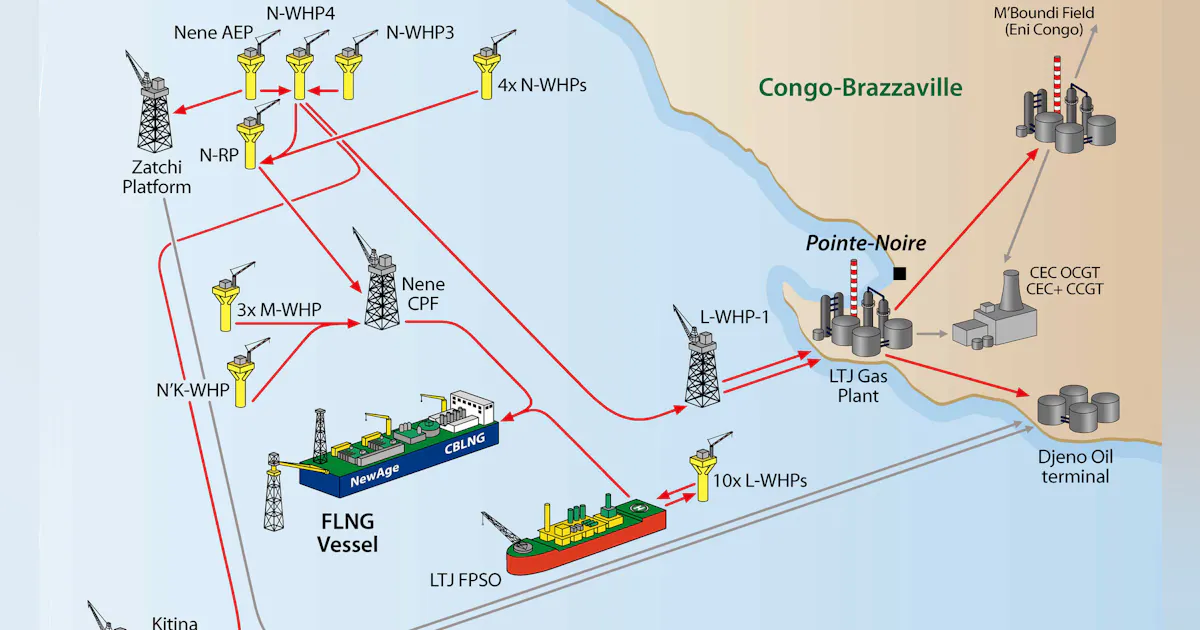
GulfQatarEnergy Strikes Oil in Offshore Congo Amid Africa Expansion Push
 Iran
IranChinese Foreign Ministry States Security of Strait of Hormuz Benefits International Community
 Diplomacy