

Foreign Ministers Discuss Reopening Hormuz Strait in Islamabad Meeting
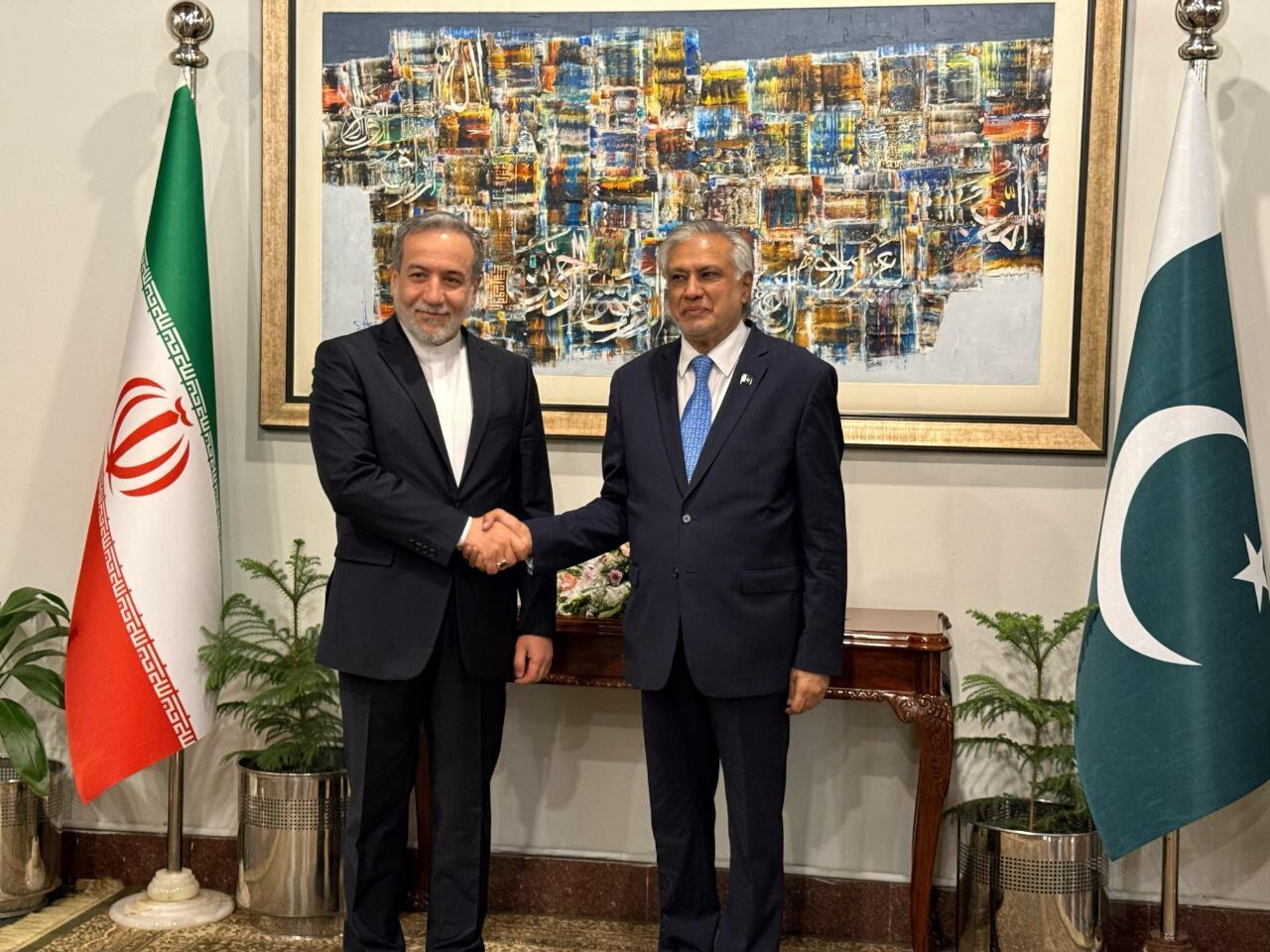
In a significant diplomatic meeting held in Islamabad, foreign ministers from Egypt, Pakistan, Saudi Arabia, and Turkey convened to discuss the reopening of the strategically vital Hormuz Strait, proposing shared mechanisms to regulate maritime activities in the region. This gathering underscores ongoing concerns surrounding maritime security and the importance of ensuring safe passage through one of the world's busiest shipping lanes.
The Hormuz Strait, which connects the Persian Gulf to the Gulf of Oman, is a critical chokepoint for global oil shipments, with approximately 20% of the world's petroleum passing through its waters. The discussions among these nations come amid rising tensions in the region and increasing threats to maritime security, making the reopening of the strait a pressing issue for both economic and geopolitical stability. The ministers emphasized the need for collaborative efforts to enhance security and prevent disruptions that could impact international trade and energy supplies.
The meeting in Islamabad reflects a growing recognition among these countries of the importance of regional cooperation in addressing shared challenges. By proposing mechanisms for joint regulation, the foreign ministers aim to establish a framework that not only facilitates safe navigation but also fosters dialogue and trust among nations with vested interests in the strait. This initiative could serve as a foundation for broader discussions on security and stability in the Gulf region, which has been marked by conflicts and rivalries in recent years.
The significance of this meeting extends beyond the immediate concerns of maritime security. It represents a potential shift towards greater collaboration among Middle Eastern nations, particularly in addressing issues that have historically divided them. The participation of Egypt, a key player in regional politics, alongside Saudi Arabia and Turkey, signals a willingness to engage in constructive dialogue and work towards common goals. This could pave the way for more comprehensive approaches to regional security, especially in light of ongoing tensions involving Iran and its influence in the Gulf.
As the foreign ministers concluded their discussions, the implications of their proposals will likely resonate throughout the Gulf and beyond. The reopening of the Hormuz Strait, coupled with enhanced maritime regulation, could alleviate some of the economic pressures faced by countries reliant on oil exports. For Qatar and other Gulf nations, ensuring the security of this vital waterway is crucial not only for their economies but also for maintaining stability in a region that has seen its share of conflicts and geopolitical rivalries.
The outcome of this meeting may set the stage for future diplomatic efforts aimed at fostering cooperation and addressing the complex dynamics of the Gulf region. As nations navigate the challenges posed by external threats and internal divisions, the call for a unified approach to maritime security in the Hormuz Strait could be a pivotal step towards a more stable and prosperous future for the Gulf states.
النسخة العربية
وزراء الخارجية يناقشون إعادة فتح مضيق هرمز في اجتماع إسلام آباد
اجتمع وزراء الخارجية من مصر وباكستان والسعودية وتركيا في العاصمة الباكستانية إسلام آباد لمناقشة إمكانية إعادة فتح مضيق هرمز، وهو أحد أهم الممرات المائية الاستراتيجية في العالم. تأتي هذه المحادثات في وقت يشهد فيه العالم توترات جيوسياسية متزايدة، مما يجعل من إعادة فتح المضيق خطوة حيوية لتعزيز الاستقرار في المنطقة.
يعتبر مضيق هرمز شرياناً حيوياً للنقل البحري العالمي، حيث يمر من خلاله حوالي 20% من إمدادات النفط العالمية. وقد أدى إغلاقه أو تعطيل الملاحة فيه في فترات سابقة إلى اضطرابات في أسواق الطاقة العالمية وارتفاع أسعار النفط. لذلك، فإن إعادة فتح المضيق بشكل آمن ومنظم تعتبر أولوية قصوى للدول المعنية وللاقتصاد العالمي بشكل عام.
ناقش الوزراء خلال الاجتماع مجموعة من الاقتراحات التي تهدف إلى ضمان سلامة الملاحة في المضيق، بما في ذلك تطوير آليات مشتركة لتنظيم حركة السفن وتبادل المعلومات الأمنية. تأتي هذه المقترحات في إطار جهود دبلوماسية أوسع تهدف إلى تعزيز التعاون الإقليمي وتحقيق الاستقرار في منطقة الخليج العربي. ورغم أن الاجتماع لم يسفر عن اتفاق نهائي، إلا أنه يمثل خطوة مهمة نحو تحقيق تفاهم مشترك بين الدول المعنية.
Source tweet
In Islamabad, foreign ministers from Egypt, Pakistan, Saudi Arabia, and Turkey convened to discuss reopening the Hormuz Strait, proposing shared mechanisms for maritime regulation. #Diplomacy #HormuzStrait
More Stories
 BREAKING
Oman Pushes Hormuz Diplomacy 2026: FM Warns of Strait Closure Risk
 Iran
IranSultan Haitham bin Tariq Meets Iranian Foreign Minister in Al-Baraka Palace
 Iran
IranUS Plans to Target Iran's Capabilities in Strait of Hormuz
 Politics
French Foreign Minister Says Attack On UNIFIL Troops In Lebanon Is War Crime
 Politics