

Four Ships Permitted to Pass Through Strait of Hormuz, Lowest April Record
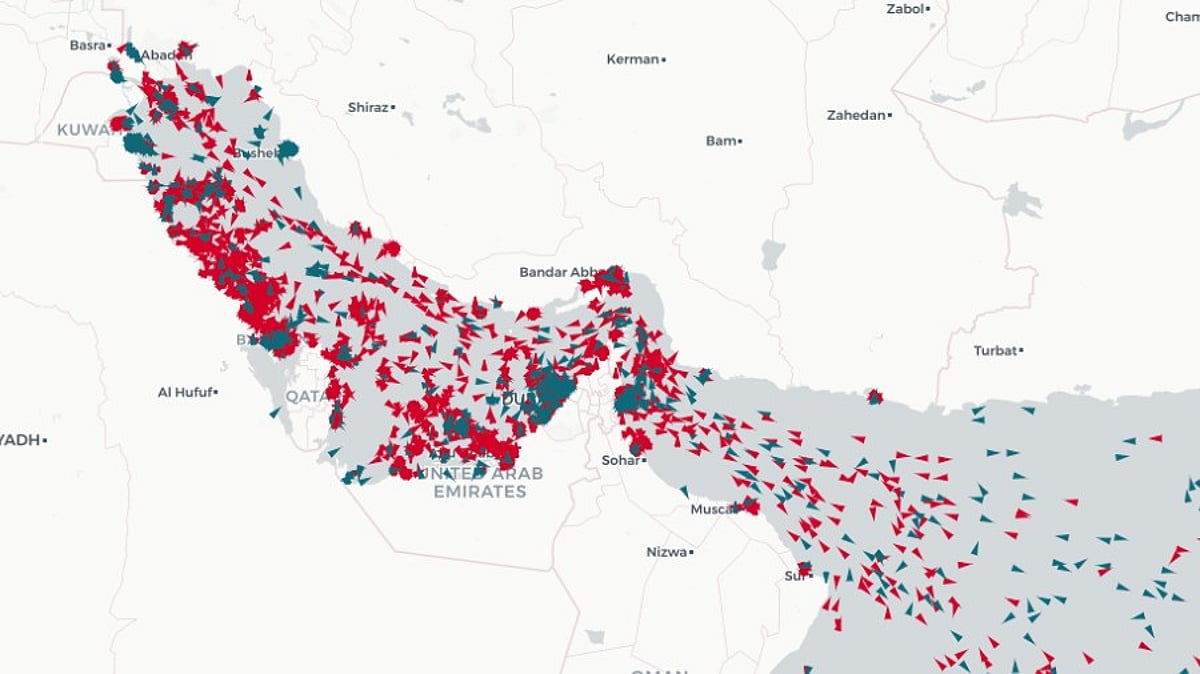
Only four ships passed through the Strait of Hormuz on Wednesday, the lowest single-day transit figure ever recorded for the month of April, according to shipping data compiled by the Wall Street Journal.
The dramatic decline in maritime traffic through the world's most strategically vital waterway signals deepening uncertainty in one of the most critical chokepoints for global energy supplies. On a typical day, dozens of vessels navigate the narrow passage between Iran and the Arabian Peninsula, carrying roughly one-fifth of the world's total oil consumption.
The Strait of Hormuz, which separates Iran from Oman and the United Arab Emirates at its narrowest point of just 33 kilometres, serves as the sole maritime corridor connecting the oil-rich producers of the Arabian Gulf to international markets. Saudi Arabia, Iraq, Kuwait, Qatar, the UAE and Bahrain all rely on the strait for the vast majority of their hydrocarbon exports.
For Qatar, the world's largest exporter of liquefied natural gas, the free and secure passage through the Strait of Hormuz is a matter of paramount national and economic importance. Qatari LNG tankers transiting the waterway supply energy to markets across Asia, Europe and beyond, underpinning long-term contracts worth hundreds of billions of dollars.
The historic low in daily transits comes amid heightened regional tensions and intensified naval activity in the waters of the Arabian Gulf and the Gulf of Oman. While the precise reasons for Wednesday's sharp drop were not immediately detailed in the Wall Street Journal report, shipping analysts have pointed to a combination of factors including increased insurance premiums for vessels operating in the region, rerouting by some carriers, and broader geopolitical uncertainty.
Global oil markets have remained sensitive to any disruption or threat of disruption in the strait. Even brief interruptions to traffic flow have historically triggered spikes in crude prices, given that an estimated 20 million barrels of oil pass through the corridor daily under normal conditions.
Qatar has consistently advocated for dialogue and de-escalation as the primary means of ensuring maritime security in the Gulf region. Doha has long maintained that the stability of international shipping lanes is a shared responsibility that requires multilateral cooperation rather than unilateral military postures.
Regional and international observers will be closely watching whether the sharp decline in transits proves to be an isolated anomaly or the beginning of a more sustained disruption to one of the arteries of the global economy. Any prolonged reduction in traffic through the strait would carry significant consequences for energy prices, supply chain logistics and the broader trajectory of Gulf economies that depend on uninterrupted access to world markets.
النسخة العربية
عبرت 4 سفن فقط مضيق هرمز يوم الأربعاء، وهو أدنى عدد يسجل خلال شهر أبريل، حسبما أفادت بيانات وول ستريت جورنال
عبرت أربع سفن فقط مضيق هرمز يوم الأربعاء، وهو أدنى رقم يُسجَّل لعبور يومي خلال شهر أبريل على الإطلاق، وفقاً لبيانات الشحن البحري التي جمعتها صحيفة وول ستريت جورنال الأمريكية.
ويُشير هذا التراجع الحاد في حركة الملاحة البحرية عبر أهم ممر مائي استراتيجي في العالم إلى تصاعد حالة عدم اليقين في واحدة من أكثر نقاط الاختناق حيوية لإمدادات الطاقة العالمية. ففي الأيام الاعتيادية، تعبر عشرات السفن هذا الممر الضيق الفاصل بين إيران وشبه الجزيرة العربية، ناقلةً ما يقارب خُمس الاستهلاك العالمي من النفط.
ويفصل مضيق هرمز بين إيران من جهة وسلطنة عُمان والإمارات العربية المتحدة من جهة أخرى، بعرض لا يتجاوز ثلاثة وثلاثين كيلومتراً في أضيق نقاطه، ويُعدّ الممر البحري الوحيد الذي يربط الدول المنتجة للنفط في الخليج العربي بالأسواق الدولية. وتعتمد كل من المملكة العربية السعودية والعراق والكويت وقطر والإمارات والبحرين على هذا المضيق في تصدير الغالبية العظمى من إنتاجها من المحروقات.
Source tweet
🚨 Only 4 ships passed through the Strait of Hormuz on Wednesday, marking the lowest daily transit in April, according to Wall Street Journal data. Vital for global energy, this strait underscores the importance of regional stability.
More Stories
 Iran
IranIranian Ships Depart Gulf, One Returns Near Blockade Line
 Iran
IranUS Ministry of War: International Waters Not Safe Haven for Iran Sanctioned Ships
 Iran
IranNBC Reports 12 Ships Passed Through Strait of Hormuz in 24 Hours
 Iran
IranIranian Forces Divert Two Oil Tankers in Strait of Hormuz
 Diplomacy