

Houthis Enter Conflict: A Warning to the US in the Red Sea and Hormuz
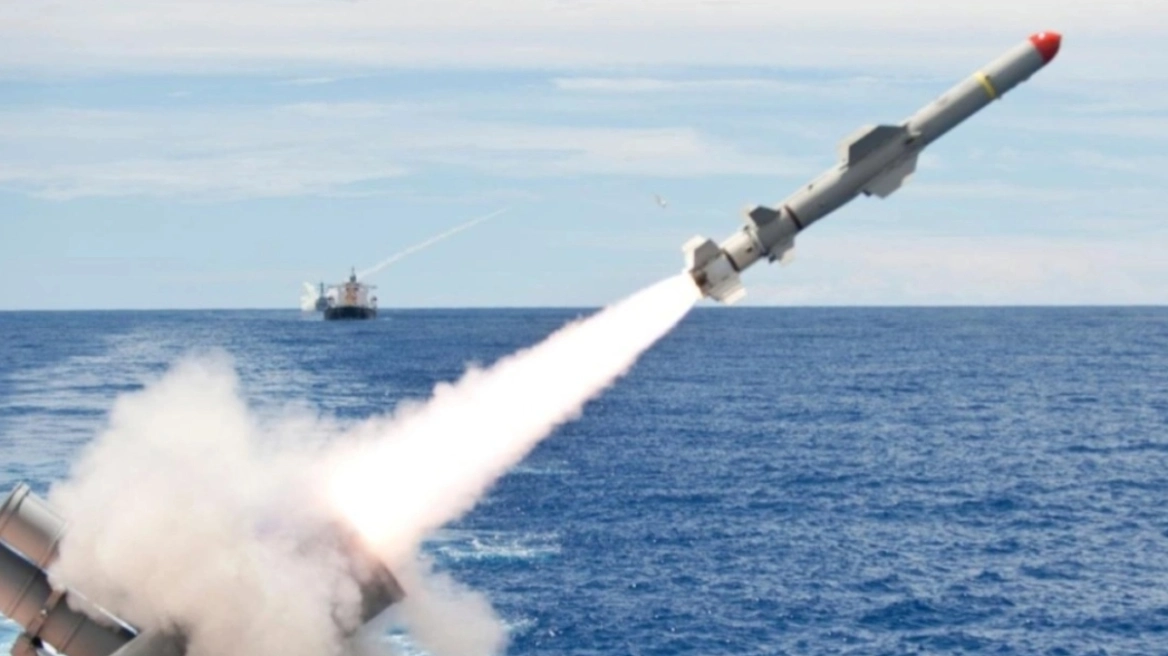
The Houthis have officially entered the ongoing conflict in the Middle East, marking a significant escalation that serves as a warning to the United States regarding its military presence in the Red Sea and the Strait of Hormuz. This development follows the earlier involvement of Hezbollah and signals Iran's intent to broaden the geographic scope of the war, complicating the operational landscape for U.S. forces in the region.
The Houthis' missile launches, which included both a ballistic and a cruise missile aimed at southern Israel, are interpreted by analysts as a direct message to the U.S. military. This action underscores a strategic shift by Iran and its allied Shiite militants, who appear to be establishing a network of influence that extends from Lebanon through Iraq and into the Gulf, reaching as far as Yemen. This expansive front, spanning thousands of kilometers, poses a significant challenge to U.S. military operations and air power, particularly as tensions escalate in a region already fraught with conflict.
The significance of this move cannot be overstated. The Houthis' engagement in the conflict is not merely a local issue but part of a broader strategy orchestrated by Iran to consolidate its influence across the Middle East. By opening new fronts, Iran aims to complicate U.S. military logistics and deter any potential large-scale operations involving American forces in the Persian Gulf. The U.S. military's ability to navigate the Red Sea and the Strait of Hormuz—critical chokepoints for global oil shipments—may now be jeopardized as the Houthis seek to disrupt these vital corridors.
Concerns are mounting over the security of Saudi Arabia's East-West pipeline, which currently facilitates the passage of up to 7 million barrels of oil per day. The potential for increased hostilities in the region raises alarms about the stability of global oil markets and the economic repercussions that could follow. The Houthis' actions, underpinned by Iranian support, signal a coordinated effort to challenge U.S. dominance and influence in the region, making it clear that any military maneuvers by the U.S. will be met with resistance.
From a Gulf perspective, the implications of the Houthis' entry into the conflict are profound. Countries in the region, particularly Saudi Arabia and the United Arab Emirates, are likely to reassess their security strategies in light of this new threat. The potential for a wider conflict that could draw in multiple state and non-state actors raises the stakes for all involved. As the situation evolves, Gulf nations may need to bolster their military readiness and consider new alliances to counter the growing influence of Iran and its proxies.
The Houthis' recent actions represent a pivotal moment in the Middle Eastern conflict, signaling a shift in the balance of power and a direct challenge to U.S. military presence in the region. As tensions escalate, the Gulf states must navigate a complex landscape fraught with uncertainty, balancing their security needs against the backdrop of an increasingly volatile geopolitical environment.
النسخة العربية
دخول الحوثيين في الصراع: رسالة للولايات المتحدة في البحر الأحمر وهرمز
في خطوة تصعيدية جديدة، دخل الحوثيون الصراع في الشرق الأوسط، مرسلين رسالة تحذيرية واضحة إلى الولايات المتحدة بشأن تحركاتها في البحر الأحمر ومضيق هرمز.
تأتي هذه الخطوة في سياق استراتيجية إيرانية تهدف إلى توسيع نطاق الحرب الجغرافية في المنطقة، مما يزيد من تعقيد الوجود العسكري الأمريكي وقدرته الجوية هناك. فقد أطلق الحوثيون صاروخين، أحدهما باليستي والآخر كروز، باتجاه جنوب إسرائيل، وهو ما يراه المحللون إشارة تحذيرية لواشنطن بأن وجودها في منطقة البحر الأحمر ليس مضموناً، خاصة إذا كانت تسعى لفتح مضيق هرمز أو تنفيذ عمليات عسكرية واسعة النطاق في الخليج الفارسي.
يبدو أن إيران والحوثيين يسعون إلى تشكيل "حلقة نار" تمتد من لبنان عبر العراق والخليج وصولاً إلى اليمن، مكونة جبهة تمتد لآلاف الكيلومترات. هذا التحرك يضع السعودية في موقف حرج، حيث يمر عبر أراضيها خط أنابيب رئيسي يمتد من الشرق إلى الغرب، ينقل ما يصل إلى 7 ملايين برميل يومياً.
Source tweet
The Houthis' entry into the conflict sends a clear message to the US about the Red Sea and Hormuz 🇾🇪🇺🇸
More Stories
 Iran
IranUS Plans to Target Iran's Capabilities in Strait of Hormuz
 money
moneyQatar Expat Remittances 2026: Hormuz Crisis Risks for Filipino, Indian Workers
 Iran
IranNBC Reports 12 Ships Passed Through Strait of Hormuz in 24 Hours
 Economy
Iran Hormuz Blockade 2026: Qatar LNG and Gulf Oil Exports at Risk
 Iran
Iran