

IMF Cuts 2026 Global Growth Forecast Over Iran War and Hormuz Crisis
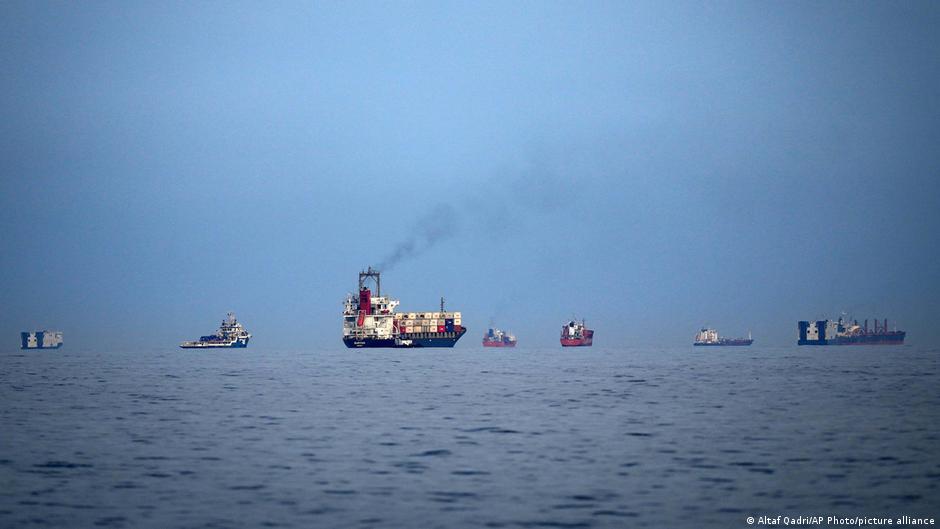
The International Monetary Fund has cut its global growth forecast due to the ongoing conflict in the Middle East, a move that is likely to have significant implications for the global economy. The conflict in the Middle East has been escalating in recent months, with various countries involved in the crisis, including Israel, Lebanon, and Iran. The US has been actively engaged in the conflict, with Secretary of State Marco Rubio encouraging Israel and Lebanon to seize a "historic opportunity" for peace between the two sides. The two countries have agreed to further direct negotiations after their first face-to-face diplomatic talks since 1993. The US has also been involved in efforts to block the Strait of Hormuz, a key shipping lane in the region, although the military has said that no ships have passed the blockade despite reports to the contrary.
The cut in the global growth forecast by the IMF is a significant development, as it reflects the potential impact of the conflict on the global economy. The Middle East is a critical region for global trade, with many countries relying on the region for oil and other essential goods. The conflict has already led to disruptions in trade and has the potential to lead to further instability in the region. The IMF's decision to cut its growth forecast is likely to be closely watched by investors and policymakers around the world, as it may indicate a slowdown in global economic growth.
The conflict in the Middle East also has significant implications for the Gulf region, including Qatar. The region is heavily reliant on trade and is likely to be affected by any disruptions to global trade flows. Qatar has been working to diversify its economy in recent years, but it remains heavily reliant on oil and gas exports. The cut in the global growth forecast by the IMF is likely to be a concern for policymakers in Qatar, as it may indicate a slowdown in demand for the country's exports.
The cut in the global growth forecast by the IMF is a significant development that reflects the potential impact of the conflict in the Middle East on the global economy. The conflict has already led to disruptions in trade and has the potential to lead to further instability in the region. From a Gulf perspective, the cut in the growth forecast is likely to be a concern, as it may indicate a slowdown in demand for the region's exports. Qatar and other countries in the region will need to closely monitor the situation and work to mitigate any potential impacts on their economies.
النسخة العربية
صندوق النقد الدولي يخفض توقعاته للنمو العالمي
صندوق النقد الدولي يخفض توقعاته للنمو العالمي، في خطوة تعكس التغيرات السريعة في الاقتصاد العالمي بسبب الصراع في الشرق الأوسط.
تأتي هذه الخطوة في سياق الأحداث الجارية في المنطقة، حيث تشهد المنطقة توترات وصراعات تؤثر على الاستقرار الاقتصادي العالمي. على سبيل المثال، تشهد المنطقة محادثات مباشرة بين إسرائيل ولبنان في الولايات المتحدة، حيث يشجع وزير الخارجية الأمريكي ماركو روبيو الطرفين على الاستفادة من "فرصة تاريخية" للسلام بينهما. كما يُشار إلى أن هناك آمالاً في تحقيق سلام دائم في المنطقة، حيث يُقال إن "الأمل اليوم هو أن نتمكن من وضع إطار يمكن من خلاله تطوير سلام حالي ودائم".
وفقًا للمعلومات المتاحة، لم يتم الكشف عن أرقام محددة حول توقعات النمو العالمي الجديدة، ولكن من المتوقع أن تكون هذه الخطوة نتيجة للتحليلات الدقيقة التي أجرتها مؤسسات مالية عالمية حول التأثيرات المترتبة على الصراع في الشرق الأوسط على الاقتصاد العالمي. كما يُشار إلى أن هناك آمالاً في استئناف محادثات السلام بين الولايات المتحدة وإيران، حيث يُقال إن الأمين العام للأمم المتحدة أنطونيو غوتيريش يعتقد أن هذه المحادثات سوف تستأنف قريباً.
Source tweet
IMF cuts global growth forecast due to Middle East conflict 🚨📉 #GlobalEconomy #MiddleEastConflict 🇶🇦
More Stories
 Iran
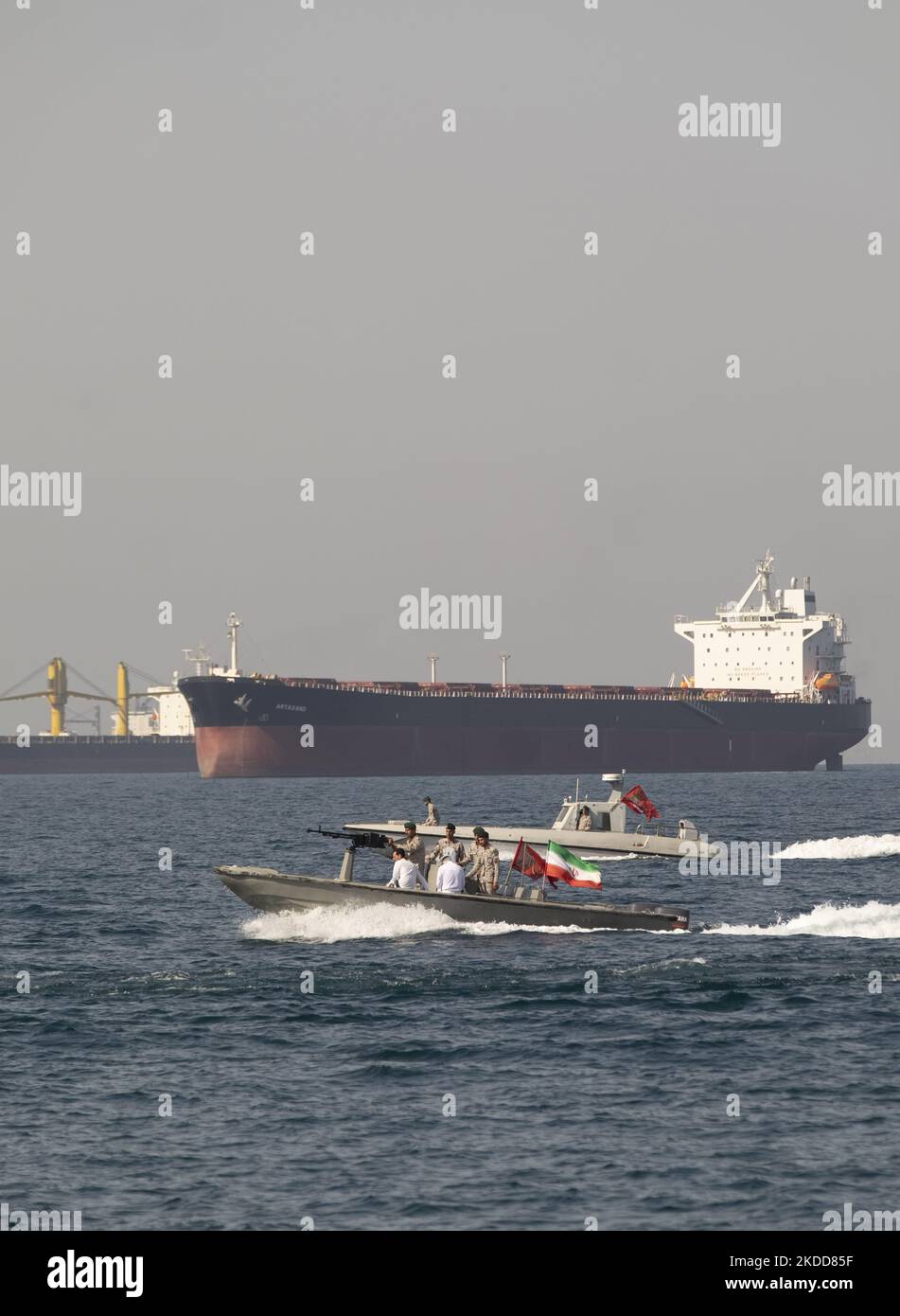
IranUS Plans to Target Iran's Capabilities in Strait of Hormuz
 money
moneyQatar Expat Remittances 2026: Hormuz Crisis Risks for Filipino, Indian Workers
 Iran
IranNBC Reports 12 Ships Passed Through Strait of Hormuz in 24 Hours
 Economy
Iran Hormuz Blockade 2026: Qatar LNG and Gulf Oil Exports at Risk
 Iran
Iran