

Iran Conflict Challenges Beijing's Energy Security Strategy

The ongoing conflict in Iran presents significant challenges to Beijing's energy security strategy, raising concerns about supply stability and geopolitical implications for China and the broader global energy landscape. As tensions escalate in Iran, a country that plays a crucial role in the global oil market, Beijing faces potential disruptions to its energy supply chains. Iran is a key supplier of crude oil to China, and any instability in the region could lead to increased prices and supply shortages. The conflict threatens not only the flow of oil but also impacts China's broader energy security strategy, which has been heavily reliant on stable imports from the Middle East.
China's energy security has been a focal point of its foreign policy, particularly as it seeks to diversify its energy sources and reduce dependence on any single supplier. The Belt and Road Initiative, which aims to enhance connectivity and trade across Asia and beyond, is closely tied to energy security. However, the current conflict in Iran complicates these ambitions, as Beijing must navigate a delicate balance between maintaining its energy imports and managing the geopolitical fallout from the situation.
The implications of the Iran conflict extend beyond immediate supply concerns. As one of the world's largest consumers of energy, China is acutely aware that instability in the Middle East could lead to a ripple effect across global markets. Rising oil prices could strain the Chinese economy, which is already grappling with various domestic challenges. Furthermore, the potential for military escalation in the region raises the stakes for Beijing, as it must consider the safety of its investments and citizens abroad.
In response to these challenges, China has been exploring alternative energy sources and routes to mitigate risks associated with the Iranian conflict. This includes increasing investments in renewable energy and seeking to strengthen ties with other oil-producing nations. However, transitioning to a more diversified energy portfolio is not without its own challenges, as the global energy market remains interconnected and susceptible to geopolitical tensions.
The situation also highlights the broader geopolitical dynamics at play. As the United States continues to exert pressure on Iran, China's relationship with Tehran becomes increasingly significant. Beijing has historically maintained a supportive stance towards Iran, viewing it as a strategic partner in counterbalancing U.S. influence in the region. This partnership may be tested as China navigates its own energy security needs while managing its diplomatic ties with other nations involved in the conflict.
For Gulf states, the Iran conflict presents both opportunities and challenges. Increased tensions could lead to higher oil prices, benefiting oil-rich nations in the region. Conversely, instability could deter investment and disrupt trade routes, which are vital for economic growth. As Gulf states monitor the situation closely, they may need to reassess their own energy strategies and alliances in light of the evolving geopolitical landscape.
The conflict in Iran poses significant risks to China's energy security strategy, with potential repercussions for global energy dynamics. As Beijing grapples with these challenges, the Gulf region remains a critical player in shaping the future of energy supply and geopolitical stability. The interplay between energy security and international relations will continue to be a defining factor for both China and the Gulf states in the months ahead.
النسخة العربية
الصراع الإيراني يختبر استراتيجية بكين للأمن الطاقي
تواجه الصين تحديات كبيرة في استراتيجيتها للأمن الطاقي بسبب الصراع المستمر في إيران، حيث تعتمد بكين بشكل كبير على واردات النفط من الشرق الأوسط لتلبية احتياجاتها المتزايدة من الطاقة. يثير هذا الوضع القلق بشأن استقرار الإمدادات النفطية والتداعيات الجيوسياسية المحتملة على الساحة الدولية.
تعتبر إيران واحدة من أكبر موردي النفط للصين، حيث تلعب دوراً حيوياً في تأمين احتياجاتها من الطاقة. ومع تصاعد التوترات في المنطقة، تواجه بكين مخاطر متزايدة تتعلق بقدرتها على الحفاظ على تدفق مستقر وآمن للنفط. يضع هذا الأمر الصين في موقف صعب، حيث يتعين عليها الموازنة بين مصالحها الاقتصادية وعلاقاتها السياسية مع الدول الأخرى في المنطقة، بالإضافة إلى تأثير ذلك على ديناميات الطاقة العالمية.
في السنوات الأخيرة، سعت الصين إلى تنويع مصادرها من الطاقة وتقليل اعتمادها على النفط المستورد من مناطق غير مستقرة سياسياً. ومع ذلك، لا تزال تعتمد بشكل كبير على واردات النفط من الشرق الأوسط، مما يجعلها عرضة للتقلبات الجيوسياسية في المنطقة. يعقد الصراع في إيران هذه الجهود، حيث يمكن أن يؤدي إلى اضطرابات في الإمدادات وارتفاع في أسعار النفط العالمية، مما يؤثر سلباً على الاقتصاد الصيني الذي يعتمد بشكل كبير على الطاقة.
Source tweet
The ongoing conflict in Iran poses significant challenges to Beijing's energy security strategy, raising concerns about supply stability and geopolitical implications. Read more about the situation and its impact on global energy dynamics.
More Stories
 Iran
IranIranian Security Forces Confront Jundallah Militants, Kill Several Terrorists
 Politics
UNDP Director States Middle East Conflict Hinders Development, Impact Remains Post-War
 BREAKING
Von der Leyen: Middle East Crisis Underscores Need for Green Energy Transition
 Gulf
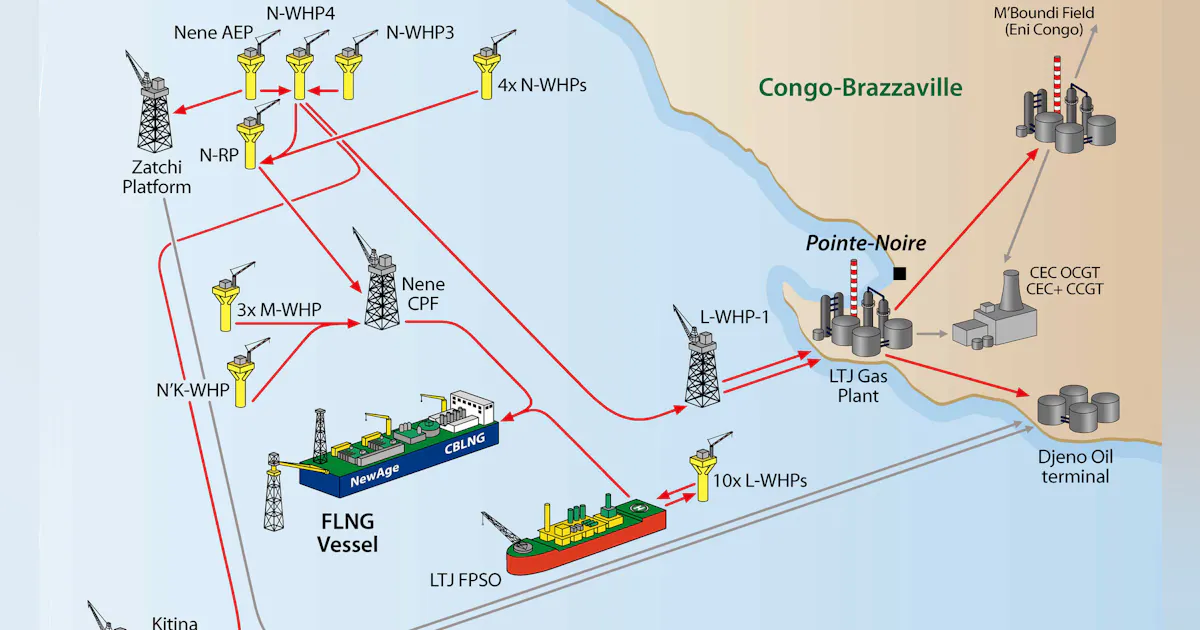
GulfQatarEnergy CEO Announces Promising Discovery in Republic of Congo to Expand Portfolio
 Gulf
Gulf