

Iran Imposes 'Tehran Toll' on Tankers in Strait of Hormuz
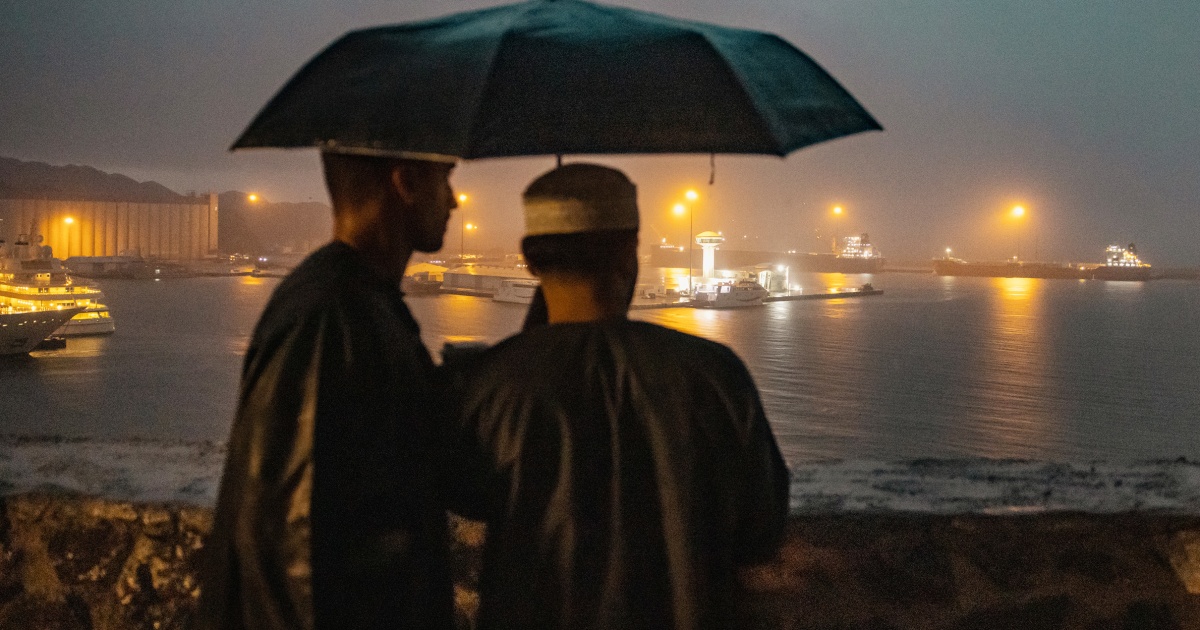
Iran has implemented a controversial toll system that requires certain oil tankers to pay significant fees to navigate the Strait of Hormuz, a critical maritime route for global oil shipments. This decision has raised concerns among international shipping companies and analysts, who warn that it could disrupt global oil prices and trade.
The Strait of Hormuz is a vital chokepoint through which approximately 20% of the world's oil supply passes. Iran's decision to impose tolls on tankers is viewed as a strategic move to exert control over this crucial waterway. Analysts indicate that the Islamic Revolutionary Guard Corps (IRGC) is overseeing the toll collection process, verifying ships' information and effectively acting as a toll booth. This development occurs amid heightened tensions in the region, where Iran has previously threatened to block shipping lanes in response to sanctions and geopolitical disputes.
The significance of this toll system extends beyond immediate financial implications for shipping companies. It reflects Iran's ongoing efforts to assert its influence in the region and challenge the United States and its allies. By controlling access to the Strait of Hormuz, Iran can leverage its position to negotiate from a place of strength, particularly as global energy markets remain volatile. Increased costs associated with shipping oil through the strait could lead to higher prices for consumers worldwide, impacting economies that rely heavily on oil imports.
Shipping companies now face the dilemma of either complying with the tolls or risking delays and potential confrontations with Iranian forces. The situation is further complicated by the fact that many vessels are already navigating through a region fraught with security concerns, including piracy and military confrontations. The imposition of tolls adds another layer of complexity to an already precarious environment for maritime trade.
From a Gulf perspective, this development could exacerbate existing tensions among regional players. Countries in the Gulf Cooperation Council (GCC) may find themselves caught in the crossfire of Iran's strategic maneuvers, as they rely on the Strait of Hormuz for their own oil exports. The potential for increased shipping costs could also impact the economies of these nations, which are heavily dependent on oil revenues.
As the situation unfolds, it will be crucial for stakeholders in the region and beyond to monitor Iran's actions closely. This toll system could serve as a catalyst for further escalation in the already tense geopolitical landscape of the Gulf. With global oil prices hanging in the balance, the international community will be watching to see how this new toll system affects not only the shipping industry but also broader economic stability in the region.
النسخة العربية
إيران تفرض 'رسوم طهران' على الناقلات في مضيق هرمز
إيران تفرض رسومًا جديدة على ناقلات النفط العابرة لمضيق هرمز، مما يثير القلق بشأن تأثير هذه الخطوة على أسعار النفط العالمية.
بدأت إيران في فرض رسوم تُعرف بـ"رسوم طهران" على ناقلات النفط التي تعبر مضيق هرمز، وهو أحد أهم الممرات المائية في العالم لنقل النفط. تأتي هذه الرسوم الجديدة في سياق التوترات المستمرة في المنطقة، حيث يعتبر مضيق هرمز نقطة استراتيجية تمر عبرها حوالي 20% من إمدادات النفط العالمية.
تقوم قوات الحرس الثوري الإيراني بتنفيذ هذه السياسة الجديدة، حيث يتم التحقق من معلومات السفن بشكل دقيق قبل السماح لها بالمرور، مما يشبه عمل نقاط الجمارك أو محطات تحصيل الرسوم. وقد أشار محللون إلى أن هذه الخطوة يمكن أن تُجبر بعض الناقلات على دفع ملايين الدولارات كرسوم عبور، مما يزيد من تكاليف الشحن ويؤثر على السوق النفطية العالمية.
Source tweet
Iran imposes 'Tehran toll' on oil tankers in the Strait of Hormuz, raising concerns over global oil prices. 🇮🇷
More Stories
 Iran
IranIranian Forces Divert Two Oil Tankers in Strait of Hormuz
 Diplomacy
Trump Demands NATO Act on Hormuz as Iran Strait Crisis Deepens
 Gulf
GulfGCC Council Welcomes Condemnation of Iranian Mine Threats in Hormuz Strait
 Iran
IranIRGC Navy Vows Retaliation Against US Forces in Strait of Hormuz
 Gulf
Gulf