

Iran Won't Reopen Strait of Hormuz Until US Signs Final Deal
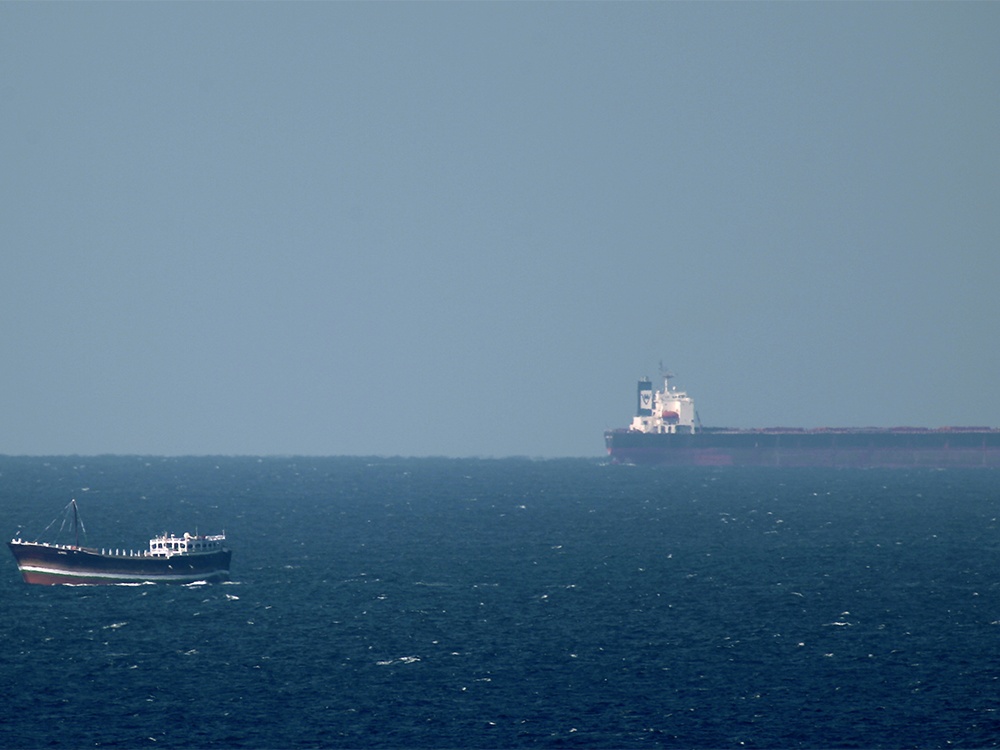
Iran has refused to reopen the Strait of Hormuz without a final agreement, according to officials, in a move that highlights the country's strategic leverage in the global energy landscape. The Strait of Hormuz is a critical waterway that connects the Persian Gulf to the Gulf of Oman and is a major shipping route for oil exports, with a significant portion of the world's crude oil passing through it. The decision by Iran to keep the strait closed until a final agreement is reached underscores the country's determination to negotiate a deal that meets its demands.
The context of this development is significant, as the Strait of Hormuz is a vital artery for global energy security, with millions of barrels of oil passing through it every day. The strait's closure would have far-reaching consequences for the global economy, as it would disrupt oil supplies and lead to a spike in prices. Iran's stance on the issue is likely driven by its desire to negotiate a comprehensive agreement that addresses its concerns and interests. The country has been engaged in diplomatic efforts to resolve its differences with other nations, and the reopening of the Strait of Hormuz is a key issue in these negotiations. The fact that Iran is standing firm on this issue suggests that it is willing to use its strategic leverage to achieve its goals.
The implications of Iran's decision are likely to be felt across the region, particularly in the Gulf, where countries are heavily reliant on oil exports. The closure of the Strait of Hormuz would have a significant impact on the economies of these countries, and would also affect the global economy as a whole. In Qatar, which is a major oil and gas producer, the closure of the strait would have significant implications for the country's energy exports. The Qatari government has been working to diversify its economy and reduce its reliance on oil exports, but the country is still heavily dependent on energy revenues.
As diplomatic efforts continue to resolve the issue, it remains to be seen whether Iran will agree to reopen the Strait of Hormuz. The country's officials have made it clear that they will not back down without a final agreement, and it is likely that negotiations will be protracted and complex. From a Gulf perspective, the resolution of this issue is critical, as it would help to ensure the stability and security of the region's energy exports. The Qatari government, along with other countries in the region, will be watching developments closely, as the outcome of these negotiations will have significant implications for the region's economy and energy security.
النسخة العربية
إيران ترفض إعادة فتح مضيق هرمز إلا باتفاق نهائي، حسب مسؤولين إيرانيين مطلعين على المحادثات
تسببت التطورات الأخيرة في المنطقة في حالة من التوتر والقلق، حيث أعلنت إيران عن رفضها إعادة فتح مضيق هرمز إلا باتفاق نهائي، وفقا لمسؤولين إيرانيين مطلعين على المحادثات. هذا القرار يأتي في وقت حاسم، حيث يعد مضيق هرمز من أهم الممرات المائية في العالم، ويمثل نقطة استراتيجية حيوية في التجارة البحرية.
يمثل مضيق هرمز ممراً حراً للملاحة البحرية، ويمر عبره جزء كبير من النفط الخام الذي يتم استخراجه في المنطقة. وبالتالي، فإن أي إغلاق أو تقييد للممر يمكن أن يؤثر بشكل كبير على الأسواق العالمية للطاقة. ولهذا السبب، فإن أي اتفاق نهائي يجب أن يأخذ في الاعتبار مصالح جميع الأطراف المعنية، بما في ذلك إيران والبلدان الأخرى التي تعتمد على المضيق في تجارتها البحرية.
وفقا لمسؤولين إيرانيين، فإن إيران لن تقبل بأي حلول مؤقتة أو جزئية، وست坚ف على الحصول على اتفاق نهائي يضمن حقوقها ومصالحها. هذا الموقف يزيد من التوتر في المنطقة، ويمكن أن يؤثر على العلاقات بين إيران والبلدان الأخرى. وبالتالي، فإن هناك حاجة ملحة إلى حوار وتفاوض جاد بين جميع الأطراف المعنية، بهدف الوصول إلى حلول سلمية ومستدامة.
Source tweet
Iran stands firm on reopening the Strait of Hormuz, demanding a final agreement. In a world reliant on energy security, Tehran's strategic leverage is evident. Will diplomacy prevail?
More Stories
 money
moneyQatar Expat Remittances 2026: Hormuz Crisis Risks for Filipino, Indian Workers
 Iran
IranNBC Reports 12 Ships Passed Through Strait of Hormuz in 24 Hours
 Economy
Iran Hormuz Blockade 2026: Qatar LNG and Gulf Oil Exports at Risk
 Iran
IranNetherlands Joins Hormuz Freedom of Navigation Mission After Iran Crisis
 Iran
Iran