

Iran Rejects US Ceasefire Demands as Truce Talks Collapse
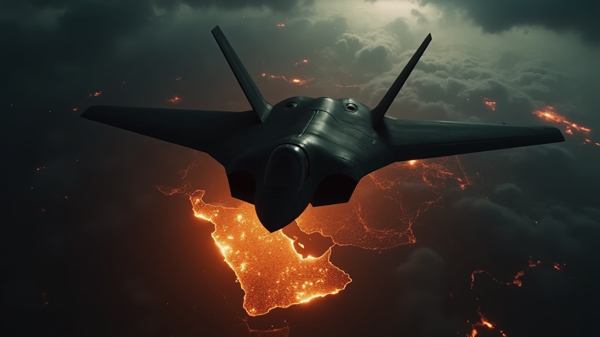
Iran has firmly rejected U.S. demands for a ceasefire as negotiations aimed at establishing a 45-day truce have collapsed, escalating tensions in an already volatile region. The breakdown of talks comes amid heightened rhetoric from former President Donald Trump, who has threatened military strikes on Iranian infrastructure, including power plants and bridges.
The failed negotiations involved mediators from Pakistan, Egypt, and Turkey, who sought to facilitate a two-phase truce between the U.S. and Iran. However, Tehran publicly dismissed all proposals put forth by Washington, insisting that any discussions must occur on its own terms. This rejection highlights the deep-seated mistrust between the two nations, exacerbated by ongoing military confrontations and a protracted nuclear standoff.
The significance of this development cannot be understated. The collapse of the truce talks undermines hopes for a peaceful resolution and raises concerns about the potential for renewed conflict in the region. Trump's threats to target Iranian civilian infrastructure signal a shift in U.S. strategy, which could have dire consequences for the already fragile stability in the Gulf. The implications of such military action could extend beyond Iran, affecting neighboring countries and international energy markets.
Iran's insistence on negotiating from a position of strength reflects its broader strategy in the region, where it seeks to assert its influence amid U.S. pressure. The Iranian government has accused the U.S. of escalating tensions and violating international norms, further complicating the prospect of dialogue. As both sides remain entrenched in their positions, the likelihood of a peaceful resolution diminishes, leaving the region on edge.
From a Gulf perspective, the failure of these talks poses significant risks. Countries in the region are closely monitoring the situation, aware that any military escalation could have far-reaching consequences for their security and economic stability. The Gulf states, historically caught in the crossfire of U.S.-Iranian tensions, may need to reassess their diplomatic strategies and alliances in light of the current impasse.
As the situation unfolds, the international community will be watching closely to see if any new diplomatic efforts emerge or if the rhetoric will escalate into action. The stakes are high, and the potential for conflict remains a pressing concern for all involved.
النسخة العربية
إيران ترفض مطالب الهدنة الأمريكية بعد فشل المحادثات
إيران ترفض مطالب الهدنة الأمريكية بعد فشل المحادثات، وترامب يهدد بضرب البنية التحتية الإيرانية، مما يزيد من حدة التوترات في المنطقة.
في سياق متوتر ومشحون، فشلت محادثات الهدنة التي استمرت 45 يوماً بين الولايات المتحدة وإيران، حيث رفضت طهران جميع المطالب الأمريكية المتعلقة بوقف إطلاق النار. وقد قاد هذه المحادثات وسطاء من باكستان ومصر وتركيا، الذين حاولوا التوصل إلى هدنة من مرحلتين، إلا أن إيران رفضت علناً جميع المقترحات الأمريكية، مما أدى إلى انهيار المحادثات.
تأتي هذه التطورات في ظل تهديدات الرئيس الأمريكي السابق دونالد ترامب، الذي قام بتمديد مهلة الإنذار النهائي لإيران لمدة 20 ساعة إضافية، مهدداً بشن ضربات على البنية التحتية المدنية الإيرانية، بما في ذلك محطات الطاقة والجسور. وقد طالبت إيران بإجراء محادثات بشروطها الخاصة، متهمة الولايات المتحدة بمحاولة فرض شروط غير مقبولة.
Source tweet
Iran rejects US ceasefire demands as talks fail. Trump threatens strikes on Iranian infrastructure. 🇮🇷
More Stories
 Diplomacy
Israel, Lebanon extend ceasefire
 Diplomacy
Iranian FM Heads to Islamabad, No US Talks Confirmation
 Diplomacy
Trump Announces Lebanon Truce Extension
 Iran
IranUS Officials Say Iran War Talks Separate From Israel-Lebanon Mediation
 Politics