

Iran Reopens Strait of Hormuz After Ceasefire, Resuming Global Oil and LNG Flows

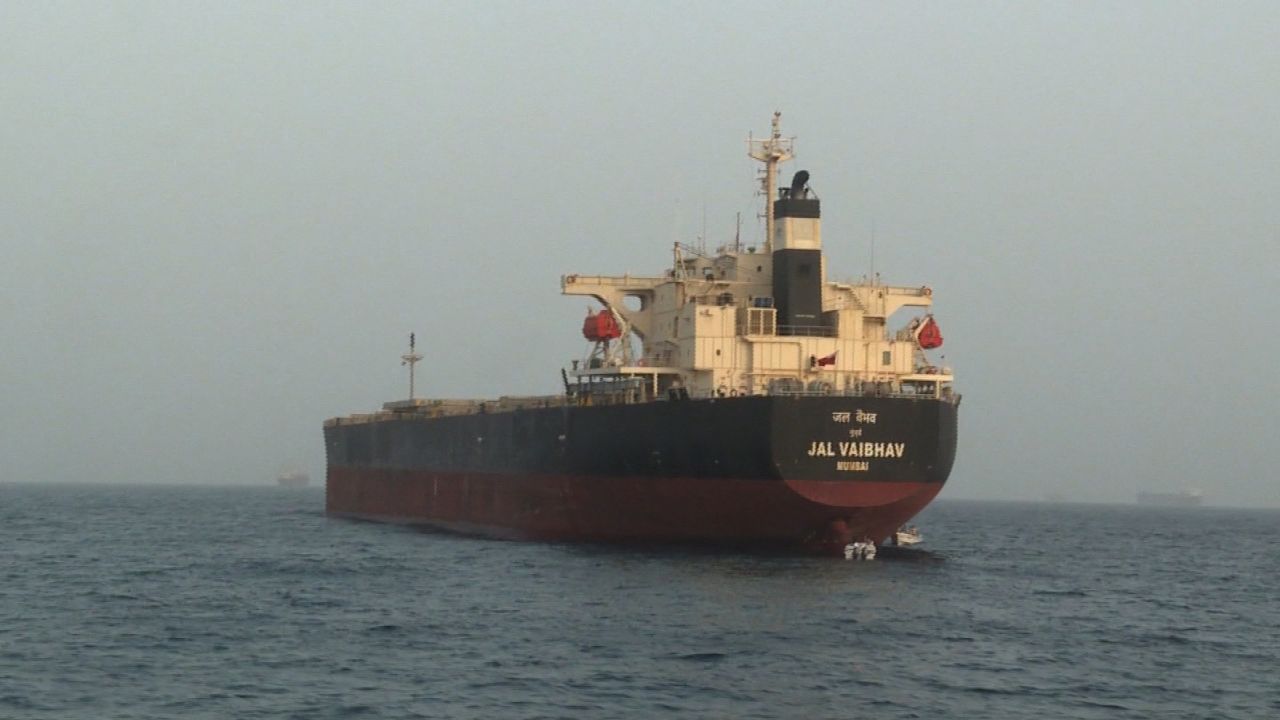
Iran has reopened the Strait of Hormuz, a crucial maritime corridor for global oil and liquefied natural gas (LNG) shipments, following a ceasefire established on April 7. This development comes after Iran halted approximately 20% of the world's oil and LNG flows amid escalating tensions from US-Israeli military strikes, significantly impacting global energy markets.
The Strait of Hormuz, located between Iran and Oman, is essential for oil tankers and responsible for transporting a substantial portion of the world's energy supplies. The recent ceasefire and subsequent reopening of the strait followed negotiations in late March aimed at de-escalating tensions in the region. The temporary suspension of maritime traffic raised concerns among global markets, leading to fluctuations in oil prices and prompting calls for a resolution to the ongoing conflict.
The significance of the Strait of Hormuz is immense, as it serves as a conduit for about 20% of the world's oil supply. The halt in traffic disrupted the flow of energy resources and heightened fears of supply shortages and price spikes in an already volatile market. By reopening the strait, Iran appears to be leveraging its strategic position to regain influence over the energy sector while signaling a willingness to engage in dialogue and negotiations.
This reopening is expected to have immediate implications for global oil and LNG markets, which have been on edge due to geopolitical tensions in the region. Analysts anticipate that the resumption of maritime traffic will help stabilize prices and restore confidence among traders and consumers. However, the situation remains delicate, as the underlying tensions between Iran, the United States, and Israel continue to pose risks to the security of maritime operations in the area.
From a Gulf perspective, the reopening of the Strait of Hormuz is a welcome development, particularly for countries that rely heavily on the passage for their energy exports. The Gulf states, including Qatar, are acutely aware of the strait's importance to regional stability and economic prosperity. As one of the world's leading LNG exporters, Qatar stands to benefit from the resumption of normal shipping operations, which could facilitate smoother trade routes and enhance energy security in the region.
The reopening of the Strait of Hormuz marks a significant turning point in the ongoing geopolitical tensions surrounding Iran and its neighbors. While the immediate impact on global oil and LNG flows is positive, the situation remains fluid, and stakeholders in the Gulf region will be closely monitoring developments to ensure that stability is maintained in this critical maritime corridor.
النسخة العربية
عاجل | التطورات في مضيق هرمز بعد الضربات الأمريكية-الإسرائيلية وتصاعد التوتر مع إغلاق إيران للمضيق وتوقف 20% من تدفق
أعادت إيران فتح مضيق هرمز بعد التوصل إلى وقف إطلاق النار، مما سمح باستئناف تدفق النفط والغاز الطبيعي المسال إلى الأسواق العالمية، وذلك بعد فترة من التوترات الحادة التي شهدت إغلاق المضيق وتوقف 20% من تدفقات الطاقة العالمية.
يعد مضيق هرمز من أهم الممرات المائية في العالم، حيث يمر من خلاله نحو خمس الإنتاج العالمي من النفط والغاز الطبيعي المسال. وقد شهد المضيق تصاعدًا في التوترات بعد الضربات العسكرية الأمريكية-الإسرائيلية، مما دفع إيران إلى إغلاقه كإجراء تصعيدي. أدى هذا الإغلاق إلى اضطرابات كبيرة في أسواق الطاقة العالمية، حيث ارتفعت أسعار النفط والغاز بشكل ملحوظ نتيجة للقلق من نقص الإمدادات.
التوترات في المنطقة ليست جديدة، إذ يعتبر مضيق هرمز نقطة توتر دائمة بسبب موقعه الاستراتيجي وأهميته البالغة لتجارة الطاقة العالمية. وقد شهدت المنطقة في السابق العديد من الأزمات التي أثرت على حركة الملاحة وعلى استقرار أسواق الطاقة. ومع ذلك، فإن الأزمة الأخيرة كانت من بين الأشد تأثيرًا، حيث توقفت حوالي 20% من تدفقات النفط والغاز العالمية، مما أثار مخاوف من حدوث أزمة طاقة عالمية.
Source tweet
🚨 BREAKING | Iran reopens Strait of Hormuz after April 7 ceasefire After halting 20% of global oil and LNG flows amid US-Israeli strikes, Iran uses market volatility to gain leverage. Maritime traffic resumes following late-March negotiations. #StraitOfHormuz #Iran #BreakingNews
More Stories
 BREAKING
Israeli Forces Detain Atif Awawdeh After Raiding His Home
 money
moneyQatar Expat Remittances 2026: Hormuz Crisis Risks for Filipino, Indian Workers
 Iran
IranNBC Reports 12 Ships Passed Through Strait of Hormuz in 24 Hours
 Economy
Iran Hormuz Blockade 2026: Qatar LNG and Gulf Oil Exports at Risk
 Iran
Iran