

Iran Restricts Strait of Hormuz Passage to Non-Enemy Vessels Complying with Regulations
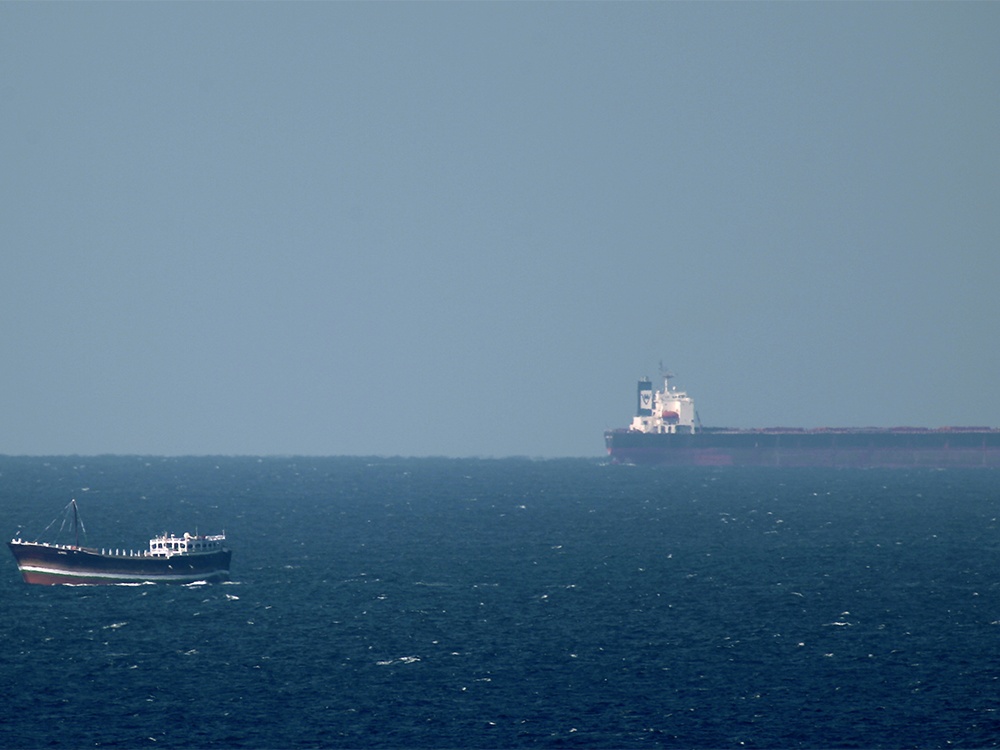
Iran has announced that it will restrict passage through the Strait of Hormuz to non-enemy vessels that comply with its regulations, in a move aimed at ensuring shared security in the Persian Gulf and Sea of Oman. The Strait of Hormuz is a vital waterway that connects the Persian Gulf to the Sea of Oman and the Arabian Sea, and it is a critical passage for international oil shipments. The strait is approximately 90 nautical miles wide at its narrowest point, and it is bordered by Iran to the north and the United Arab Emirates to the south. The strait's strategic importance cannot be overstated, as it is estimated that nearly a third of the world's oil shipments pass through it. Given its significance, any restrictions or disruptions to shipping in the strait can have far-reaching consequences for the global economy.
Iran's decision to restrict passage to non-enemy vessels that comply with its regulations is likely intended to assert its influence over the region and to protect its own security interests. By emphasizing the need for compliance with its regulations, Iran is signaling that it will take a firm stance against any vessels that fail to meet its requirements. This move is also a reminder of the complex geopolitical dynamics at play in the region, where multiple countries have competing interests and priorities. The Persian Gulf and the Sea of Oman are areas of significant strategic importance, and any developments in the region are closely watched by countries around the world.
The implications of Iran's decision will be closely monitored by countries in the Gulf region, including Qatar. As a major oil and gas producer, Qatar has a significant stake in the security and stability of the region's shipping lanes. Qatar's own economic and energy interests are closely tied to the free flow of shipping through the Strait of Hormuz, and any disruptions to traffic in the strait could have significant consequences for the country's economy. As such, Qatar will likely be watching developments in the region closely, and will be working to ensure that its own interests are protected and its relationships with its neighbors are maintained.
النسخة العربية
عاجل | المتحدث باسم مقر خاتم الأنبياء: أمن الموانئ في الخليج وبحر عمان للجميع أو لا أحد
أعلنت إيران عن تقييد مرور السفن عبر مضيق هرمز، حيث لن يسمح بمرور السفن المرتبطة بالأعداء، بينما ستسمح للسفن الأخرى بالتنقل وفقًا لقوانين القوات المسلحة الإيرانية. هذا الإعلان يأتي في سياق الأمن البحري في الخليج وبحر عمان، حيث أكد المتحدث باسم مقر خاتم الأنبياء على أن أمن الموانئ في المنطقة سيكون للجميع أو لا أحد.
تعد هذه الخطوة إجراءً أمنيًا يهدف إلى حماية الملاحة البحرية في المنطقة، حيث يعد مضيق هرمز ممرًا بحريًا حاسمًا يربط الخليج العربي ببحر عمان والمحيط الهندي. يمر عبر هذا المضيق جزء كبير من النفط الخام الذي يُصدّر إلى الأسواق العالمية، مما يجعله ممرًا استراتيجيًا هامًا. من خلال تقييد مرور السفن المرتبطة بالأعداء، تهدف إيران إلى تعزيز الأمن البحري في المنطقة وتحقيق استقرار أكبر في الملاحة البحرية.
وفقًا للإعلان، ستخضع السفن التي لا تعتبر أعداء لإيران لقوانين القوات المسلحة الإيرانية، مما يعني أن هذه السفن ستكون مطلوبة للامتثال للتنظيمات والقوانين البحرية الإيرانية أثناء مرورها عبر مضيق هرمز. هذا الإجراء يهدف إلى ضمان سلامة الملاحة البحرية في المنطقة وتحقيق توازن أمني أكبر.
Source tweet
🚨 BREAKING | Iran warns enemy vessels barred from Strait of Hormuz Iran declares no passage for enemy-affiliated ships through the vital strait, emphasizing shared security in the Persian Gulf and Sea of Oman. Compliance required for transit. #Iran #StraitOfHormuz #PersianGulf
More Stories
 money
moneyQatar Expat Remittances 2026: Hormuz Crisis Risks for Filipino, Indian Workers
 Iran
IranNBC Reports 12 Ships Passed Through Strait of Hormuz in 24 Hours
 Economy
Iran Hormuz Blockade 2026: Qatar LNG and Gulf Oil Exports at Risk
 Iran
IranNetherlands Joins Hormuz Freedom of Navigation Mission After Iran Crisis
 Iran
Iran