

Iran Resumes Gas Exports to Iraq After 3-Day Disruption Following South Pars Attack
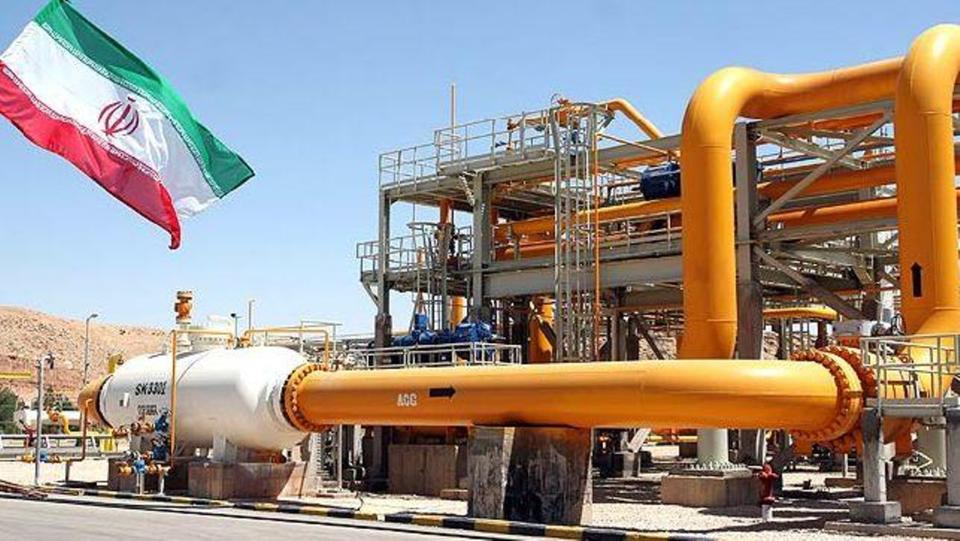
Iran has resumed its gas exports to Iraq, gradually increasing supplies to 5 million cubic meters per day after a three-day disruption caused by an attack on the South Pars gas field. The Iraqi Ministry of Electricity confirmed the restoration of gas flow, which is crucial for stabilizing the country's power grid ahead of the summer months when energy demand peaks.
The interruption in gas supply began on Wednesday following the attack on the South Pars field, resulting in a significant loss of power generation capacity, taking approximately 3,100 megawatts offline. Iranian gas is vital for Iraq, accounting for 30 to 40 percent of its power generation needs, particularly in the central and southern regions. Agreements between Iran and Iraq stipulate that gas supplies should reach between 25 and 35 million cubic meters daily during winter, increasing to 55 million cubic meters in the summer. Due to the disruption, Iraq had to rely on local gas and diesel alternatives to meet its energy requirements.
This gas supply is significant given Iraq's heavy reliance on Iranian gas to support electricity generation, especially during the summer when temperatures soar and demand for power rises sharply. The recent attack on the South Pars field highlights vulnerabilities in the energy supply chain and the geopolitical tensions that can disrupt critical infrastructure. The resumption of gas exports is expected to alleviate some immediate pressures on Iraq's power grid, allowing for a more stable energy supply as the country prepares for the hotter months.
Qatar, which shares the same geological gas formation as Iran's South Pars field, stands as the world's largest liquefied natural gas exporter. The situation in Iraq may have broader implications for the Gulf region, particularly as countries seek to diversify their energy sources and reduce dependence on any single supplier. Qatar's position in the global gas market could become increasingly significant as neighboring countries navigate their energy needs amidst regional instability.
As Iraq continues to grapple with its energy challenges, the resumption of Iranian gas exports serves as temporary relief but also highlights the ongoing complexities of energy security in the region. The reliance on Iranian gas underscores the need for Iraq to explore alternative energy partnerships and develop its domestic resources to ensure a more resilient energy future.
النسخة العربية
إيران تستأنف تصدير الغاز إلى العراق بعد انقطاع 3 أيام إثر استهداف حقل بارس الجنوبي
استأنفت إيران ضخ الغاز إلى العراق بمعدل 5 ملايين متر مكعب يومياً بعد انقطاع دام ثلاثة أيام نتيجة هجوم استهدف حقل بارس الجنوبي، مما أدى إلى خروج 3100 ميغاواط من الخدمة. أثر هذا الانقطاع بشكل كبير على إمدادات الطاقة في العراق، حيث يمثل الغاز الإيراني ما بين 30% إلى 40% من احتياجات محطات الكهرباء العراقية، خاصة في المناطق الوسطى والجنوبية.
يأتي هذا الاستئناف في وقت حرج بالنسبة للعراق، حيث يستعد لمواجهة ارتفاع الطلب على الطاقة مع اقتراب موسم الصيف. تعتمد العراق بشكل كبير على الغاز الإيراني لتلبية احتياجاتها من الطاقة، وقد اضطرت خلال فترة الانقطاع إلى استخدام الغاز المحلي والديزل كبدائل مؤقتة. تنص الاتفاقيات بين البلدين على تزويد العراق بكميات تتراوح بين 25 إلى 35 مليون متر مكعب يومياً في فصل الشتاء، وتصل إلى 55 مليون متر مكعب في الصيف.
تعتبر هذه الحادثة تذكيراً بأهمية التعاون الإقليمي في مجال الطاقة، حيث إن حقل بارس الجنوبي الذي تعرض للهجوم هو جزء من نفس التكوين الجيولوجي الذي يشمل حقل الشمال في قطر، والذي يُعد أكبر حقل للغاز الطبيعي المسال في العالم. تلعب قطر، بصفتها أكبر مصدر للغاز الطبيعي المسال، دوراً حيوياً في تلبية احتياجات الطاقة العالمية، وتواجه نفس التحديات والفرص التي تواجهها إيران في هذا المجال.
Source tweet
Iran resumes gas exports to Iraq at 5M cubic meters/day after 3-day halt from South Pars field attack. Iranian gas covers 30-40% of Iraq power needs
More Stories
 Economy
Iran Hormuz Blockade 2026: Qatar LNG and Gulf Oil Exports at Risk
 Iran
IranNetherlands Joins Hormuz Freedom of Navigation Mission After Iran Crisis
 Gulf
GulfSaudi Arabia and UAE Press Trump to Maintain Iran Sanctions After Hormuz
 Iran
IranIran Threatens Hormuz Closure if Oil Exports Blocked, Speaker Warns
 Gulf
Gulf