
Iran Sets Red Lines in Negotiations, Including Strait of Hormuz Control
Iran has established firm red lines in its ongoing negotiations, demanding control over the strategically vital Strait of Hormuz, alongside war reparations, the release of frozen assets, and a stable ceasefire. These conditions signal Tehran's assertive stance in diplomatic discussions, raising concerns about their implications for regional security.
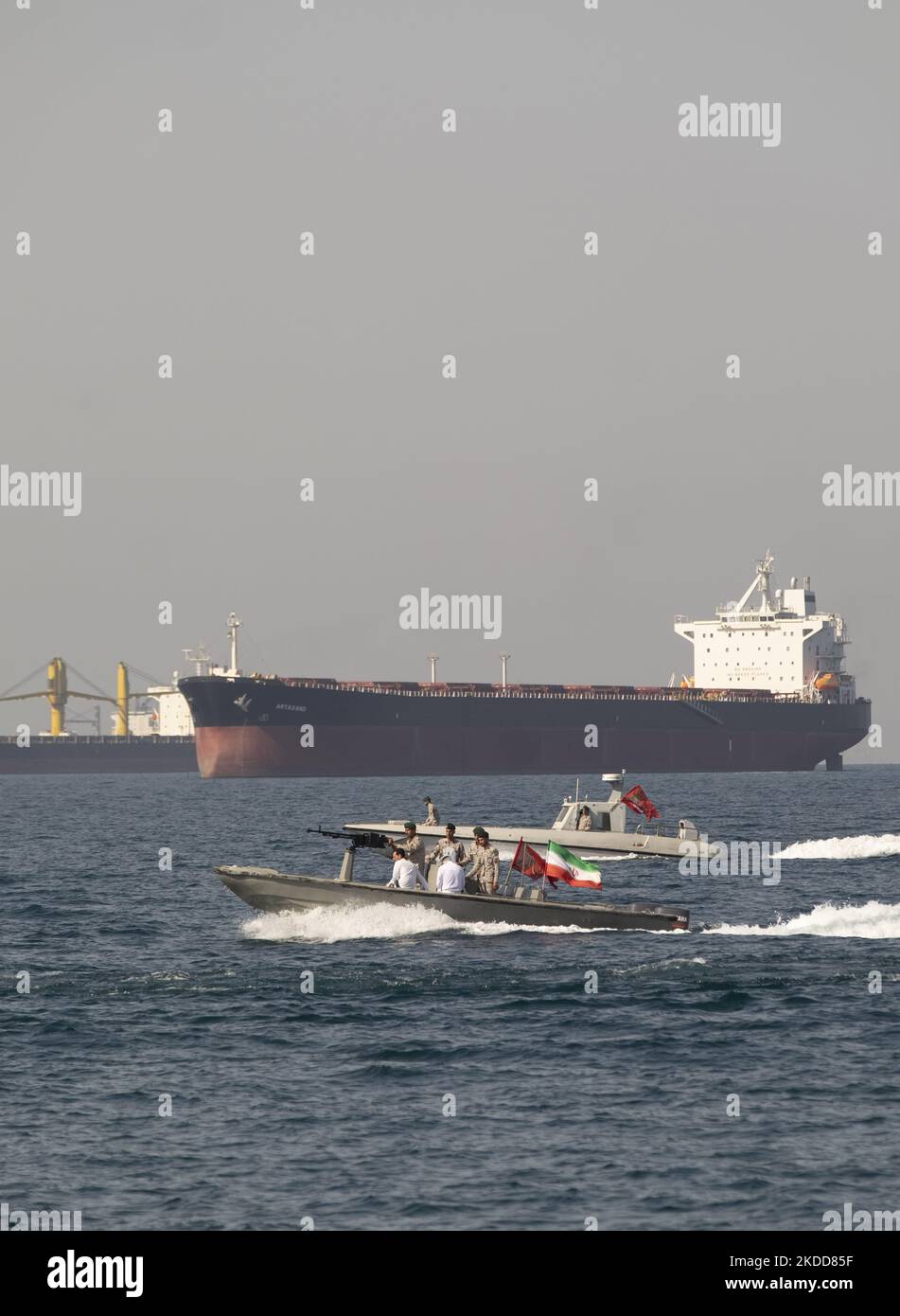
The Strait of Hormuz is a critical chokepoint through which approximately 20% of the world's oil supply passes. Iran's insistence on controlling this maritime route highlights its strategic importance, particularly in the context of ongoing tensions with Western nations and neighboring Gulf states. The Strait has been a flashpoint for military confrontations in the past, and Iran's demands could escalate existing tensions in the region, potentially affecting global oil markets and international shipping routes.
Iran's call for war reparations reflects its broader narrative of victimhood in the face of sanctions and military actions from the U.S. and its allies. The release of frozen assets is another critical issue for Tehran, as it seeks to alleviate the economic pressures exacerbated by sanctions that have crippled its economy. A stable ceasefire is also on the table, indicating Iran's desire to solidify its position in ongoing conflicts, particularly in neighboring countries where it has significant influence.
The implications of these demands extend beyond Iran's borders, as they could reshape the geopolitical landscape of the Gulf region. The Gulf Cooperation Council (GCC) states, which include Qatar, Saudi Arabia, and the UAE, may find themselves navigating a more complex security environment should Iran's demands be taken seriously by the international community. The GCC has historically viewed Iranian influence with suspicion, and any concessions made to Tehran could lead to a recalibration of alliances and power dynamics in the region.
As negotiations unfold, the response from the United States and its allies will be crucial. The Biden administration has been attempting to re-engage with Iran through diplomatic channels, but the firm red lines set by Tehran may complicate these efforts. The U.S. and its partners will need to balance their strategic interests in the region with the potential fallout from Iran's demands, particularly regarding oil supply security and military stability.
From a Gulf perspective, the situation remains precarious. Countries in the region are closely monitoring Iran's actions and rhetoric, as they could have far-reaching consequences for their own national security. Qatar, which has maintained a relatively neutral stance in regional conflicts, may need to consider its position carefully as Iran asserts its demands. The potential for increased tensions in the Strait of Hormuz could also impact Qatar's own energy exports, making it imperative for Doha to engage in diplomatic efforts to mitigate risks.
Iran's establishment of red lines in negotiations marks a significant moment in the ongoing dialogue surrounding its nuclear program and regional influence. The demands for control over the Strait of Hormuz, reparations, and a stable ceasefire pose challenges not only for Iran's adversaries but also for the broader stability of the Gulf region. As the situation develops, the responses from regional powers and the international community will be critical in shaping the future of security and diplomacy in this vital area.
النسخة العربية
إيران تحدد خطوطها الحمراء في المفاوضات المستمرة، متضمنة سيطرة على مضيق هرمز، تعويضات حرب، تحرير الأصول المجمدة، ووقف إطل
في خطوة تعكس تصاعد التوترات الإقليمية والدولية، أعلنت إيران عن خطوطها الحمراء في المفاوضات الجارية، والتي تشمل السيطرة على مضيق هرمز، تعويضات حرب، تحرير الأصول المجمدة، ووقف إطلاق نار حقيقي ومستقر في المناطق المعنية. تأتي هذه المطالب في ظل تصاعد الضغوط الاقتصادية والسياسية على طهران، وتعتبر جزءاً من استراتيجية أوسع لتعزيز موقفها التفاوضي مع القوى العالمية والإقليمية.
مضيق هرمز، الذي يعد أحد أهم الممرات البحرية في العالم، يشهد مرور ما يقرب من 20% من النفط العالمي. السيطرة الإيرانية على هذا المضيق تعني تحكماً استراتيجياً في تدفق الطاقة العالمية، مما يمنح طهران ورقة ضغط قوية في أي مفاوضات مستقبلية. بالإضافة إلى ذلك، تطالب إيران بتعويضات حرب، وهو مطلب يعكس رغبتها في معالجة ما تعتبره أضراراً اقتصادية وسياسية ناجمة عن العقوبات والضغوط الدولية.
تحرير الأصول المجمدة يمثل أولوية أخرى لطهران، حيث تسعى إلى استعادة مليارات الدولارات المحتجزة في الخارج بسبب العقوبات. هذه الأصول تعتبر حيوية لدعم الاقتصاد الإيراني المتعثر وتحسين الظروف المعيشية للمواطنين. أما وقف إطلاق النار الحقيقي والمستقر في المناطق المعنية، فيشير إلى رغبة إيران في تحقيق استقرار إقليمي يمكن أن يسهم في تحسين علاقاتها مع جيرانها وتقليل التوترات العسكرية.
Source tweet
🚨 BREAKING | Iran sets firm red lines in talks Iran demands control over the Strait of Hormuz, war reparations, release of frozen assets, and a stable ceasefire in ongoing negotiations. What impact will this have on regional security? #Iran #Diplomacy #StraitOfHormuz #BreakingNews
More Stories
 Iran
IranUS Plans to Target Iran's Capabilities in Strait of Hormuz
 money
moneyQatar Expat Remittances 2026: Hormuz Crisis Risks for Filipino, Indian Workers
 Iran
IranNBC Reports 12 Ships Passed Through Strait of Hormuz in 24 Hours
 Economy
Iran Hormuz Blockade 2026: Qatar LNG and Gulf Oil Exports at Risk
 Iran
Iran