

Iranian Foreign Ministry Spokesman Expresses Distrust in US Diplomacy
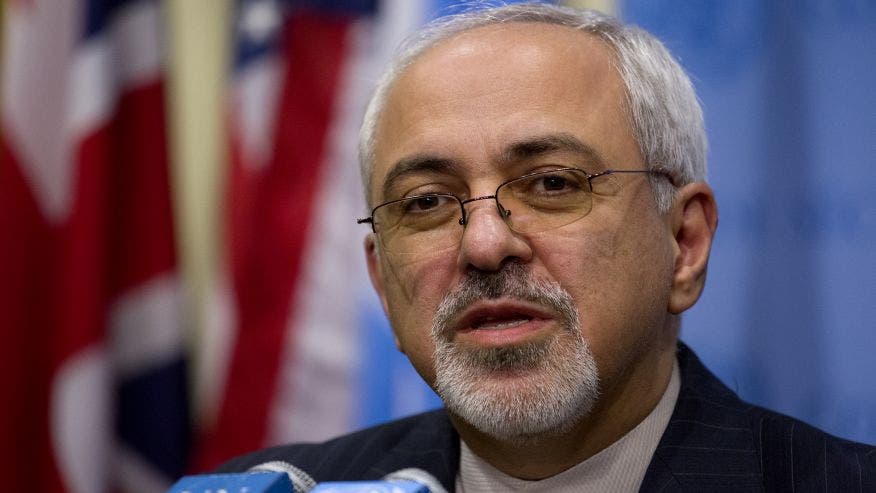
Iran's Foreign Ministry spokesperson has expressed deep skepticism regarding U.S. diplomatic efforts, characterizing the experience with American negotiations as "catastrophic" and indicating a profound lack of trust in the intentions behind U.S. actions. This statement reflects ongoing tensions between Iran and the United States, particularly in the context of stalled nuclear negotiations and broader geopolitical conflicts in the region.
The spokesperson's remarks come amid strained relations, particularly following the U.S. withdrawal from the Joint Comprehensive Plan of Action (JCPOA) in 2018, which aimed to curb Iran's nuclear program in exchange for sanctions relief. Since then, Iran has gradually rolled back its commitments under the agreement, leading to heightened tensions and a series of confrontations in the Persian Gulf. The mistrust articulated by the Iranian official highlights the challenges faced by both nations in finding common ground, as diplomatic overtures have often been met with skepticism and accusations of bad faith.
The Iranian government's perspective is shaped by a history of perceived betrayals and unmet promises from the U.S., leading to a cautious and defensive approach in its foreign policy. The spokesperson's comments suggest that Iran is not only wary of U.S. intentions but also critical of the broader implications of American diplomacy in the Middle East, where U.S. influence has been a contentious issue. This skepticism is likely to complicate any future negotiations, as Iran seeks assurances that its interests will be respected and prioritized.
In the Gulf region, the implications of this distrust extend beyond Iran and the U.S. Ongoing tensions have ramifications for neighboring countries, particularly those aligned with U.S. policies. Regional powers are closely monitoring the situation, as any escalation in hostilities could destabilize the already fragile security landscape. Moreover, Gulf states are navigating their own relationships with both Iran and the U.S., often balancing economic interests with the need for security cooperation.
As the diplomatic landscape continues to evolve, the statements from Iran's Foreign Ministry serve as a reminder of the complexities involved in U.S.-Iran relations. The lack of trust articulated by Iranian officials poses significant hurdles to achieving a comprehensive agreement that addresses the concerns of all parties involved. For Gulf nations, the path forward will require careful diplomacy and a nuanced understanding of the historical grievances that shape current attitudes.
The skepticism expressed by Iran's Foreign Ministry spokesperson underscores the challenges that lie ahead in U.S.-Iran diplomacy. As both nations grapple with their respective priorities and historical grievances, the potential for renewed dialogue remains uncertain. For the Gulf region, fostering stability will depend on navigating these intricate dynamics while addressing the broader implications of U.S. foreign policy in the Middle East.
النسخة العربية
المتحدث باسم الخارجية الإيرانية: لدينا تجربة كارثية مع الدبلوماسية الأمريكية ولا نثق بها
في تصريح يعكس التوتر المستمر بين إيران والولايات المتحدة، أعرب المتحدث باسم وزارة الخارجية الإيرانية عن عدم ثقة بلاده في الدبلوماسية الأمريكية، مشيرًا إلى أن إيران لديها "تجربة كارثية" مع هذه الدبلوماسية. يأتي هذا التصريح في وقت تتزايد فيه التوترات بين البلدين حول عدد من القضايا الإقليمية والدولية.
تاريخ العلاقات بين إيران والولايات المتحدة مليء بالتوترات والأزمات، بدءًا من الثورة الإيرانية عام 1979 واحتجاز الرهائن في السفارة الأمريكية، وصولاً إلى العقوبات الاقتصادية الشديدة التي فرضتها الولايات المتحدة على إيران في السنوات الأخيرة. هذه العقوبات أثرت بشكل كبير على الاقتصاد الإيراني، ما زاد من حدة التوتر بين البلدين.
التصريح الإيراني يعكس الشكوك المستمرة تجاه نوايا الولايات المتحدة، خاصة في ظل المحاولات المتكررة لإحياء الاتفاق النووي الذي انسحبت منه الولايات المتحدة في عام 2018 تحت إدارة الرئيس السابق دونالد ترامب. الاتفاق النووي، الذي تم توقيعه في عام 2015، كان يهدف إلى الحد من البرنامج النووي الإيراني مقابل رفع العقوبات الاقتصادية، إلا أن انسحاب الولايات المتحدة منه أدى إلى تصاعد التوترات من جديد.
Source tweet
Iran's Foreign Ministry spokesperson expresses a catastrophic experience with U.S. diplomacy, stating a lack of trust in its intentions.
More Stories
 Iran
IranSultan Haitham bin Tariq Meets Iranian Foreign Minister in Al-Baraka Palace
 Diplomacy
Iranian FM Heads to Islamabad, No US Talks Confirmation
 Economy
Iranians blame US-Israel for economic woes
 Iran
IranUS Central Command Releases Photo of Destroyer Near Iranian Ports
 Iran
Iran