

Iran's destruction of the AN/TPY-2 THAAD radar in Jordan, confirmed by high-quality satellite imagery, exposes the U.S.
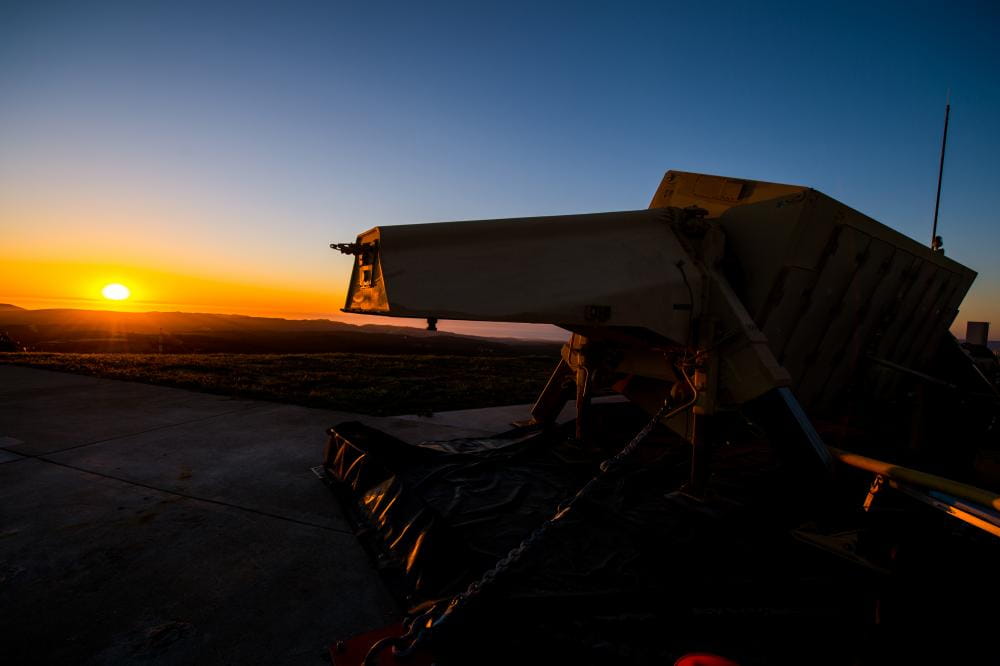
Iran has reportedly destroyed the AN/TPY-2 THAAD radar system located in Jordan, a development confirmed by high-quality satellite imagery, raising significant concerns about U.S. military credibility in the region. This incident underscores the ongoing tensions between Iran and the United States and has broader implications for U.S. defense strategies in the Middle East.
The AN/TPY-2 radar is a critical component of the Terminal High Altitude Area Defense (THAAD) system, designed to detect and track incoming missiles. Its destruction not only represents a tactical setback for U.S. forces but also raises questions about the effectiveness of American military assets deployed in the region. High-resolution satellite images reportedly show the aftermath of the attack, suggesting a deliberate and targeted operation by Iranian forces. This incident may signal a shift in the balance of power, as Iran demonstrates its capability to strike at U.S. military infrastructure.
The significance of this event extends beyond the immediate loss of the radar system. It raises alarms regarding the reliability of U.S. defense commitments to its allies in the Middle East. The THAAD system was positioned in Jordan as part of a broader strategy to counter missile threats from Iran and other regional adversaries. With the destruction of such a key asset, U.S. allies may begin to question the effectiveness of American military support and deterrence strategies.
Iran's actions can be viewed within the context of its ongoing efforts to assert its influence in the region. The destruction of the radar system may be seen as a demonstration of military prowess and a message to both regional adversaries and global powers. This incident could embolden Iran's allies and proxies, potentially leading to increased tensions and conflicts in an already volatile area.
From a Gulf perspective, this development is particularly concerning. Gulf states, which rely heavily on U.S. military support for their security, may find themselves reassessing their defense strategies in light of this incident. The destruction of the THAAD radar could prompt Gulf nations to explore alternative security arrangements or enhance their own military capabilities to counter potential threats from Iran.
As the situation unfolds, the implications for U.S. foreign policy in the Middle East will be closely scrutinized. The Biden administration has sought to re-establish diplomatic ties with Iran while maintaining a strong military presence in the region. However, incidents like the destruction of the THAAD radar may complicate these efforts, as they challenge the narrative of U.S. military superiority and raise doubts about the effectiveness of American deterrence.
The destruction of the AN/TPY-2 THAAD radar in Jordan by Iran marks a significant escalation in regional tensions and poses serious questions about U.S. military credibility. For Gulf states, this incident serves as a stark reminder of the complexities of security in the region and the need for a reassessment of defense strategies amid shifting power dynamics. As the situation develops, the responses from both the U.S. and its allies will be critical in shaping the future of security in the Middle East.
النسخة العربية
عاجل | تقارير جديدة تؤكد تدمير رادار THAAD في الأردن
تقارير جديدة تدعي تدمير رادار AN/TPY-2 التابع لنظام الدفاع الصاروخي الأمريكي THAAD في قاعدة الموفق سَلطي بالأردن، نتيجة لعمل إيراني، مما يثير تساؤلات حول مدى تعرض الأنظمة الدفاعية الأمريكية في المنطقة للخطر.
يأتي هذا الادعاء في سياق التوترات المتزايدة بين الولايات المتحدة وإيران، حيث تسعى الأخيرة إلى تعزيز نفوذها الإقليمي والتصدي للوجود العسكري الأمريكي في الشرق الأوسط. يعتبر نظام THAAD من أكثر الأنظمة الدفاعية تطوراً في العالم، ويهدف إلى حماية الدول الحليفة للولايات المتحدة من التهديدات الصاروخية. تدمير هذا الرادار، إذا تأكد، سيمثل ضربة كبيرة للقدرات الدفاعية الأمريكية في المنطقة ويثير تساؤلات حول فعالية الإجراءات الأمنية المتخذة لحماية هذه الأنظمة.
رغم نفي الولايات المتحدة لهذا الادعاء، إلا أن صور الأقمار الصناعية التي تم نشرها تشير إلى وجود أضرار كبيرة في الموقع الذي يتواجد فيه الرادار. لم تقدم الولايات المتحدة حتى الآن أي تفاصيل إضافية حول الحادثة أو الأسباب المحتملة وراء هذه الأضرار، مما يزيد من الغموض حول ما حدث بالفعل في القاعدة الأردنية. في الوقت ذاته، لم تصدر السلطات الأردنية أي تعليق رسمي حول هذا الادعاء أو حول حالة الرادار.
Source tweet
Iran's destruction of the AN/TPY-2 THAAD radar in Jordan, confirmed by high-quality satellite imagery, exposes the U.S. denial and raises questions about its regional military credibility.
More Stories
 Iran
IranChina Secretly Offered Iran X-Band Radar to Detect US Stealth Jets
 Iran
IranIran's Revolutionary Guard Warns of 'Death Spirals' in Strait of Hormuz Amid US Sanctions
 BREAKING
Trump Announces International Efforts to Block Iran's Oil Sales in Strait of Hormuz
 Iran
IranTrump Threatens Iran's Infrastructure, Pledges Tighter Sanctions
 Diplomacy