

Iran's Revolutionary Guard Organizes Ship Movement in Strait of Hormuz to Avoid Mines
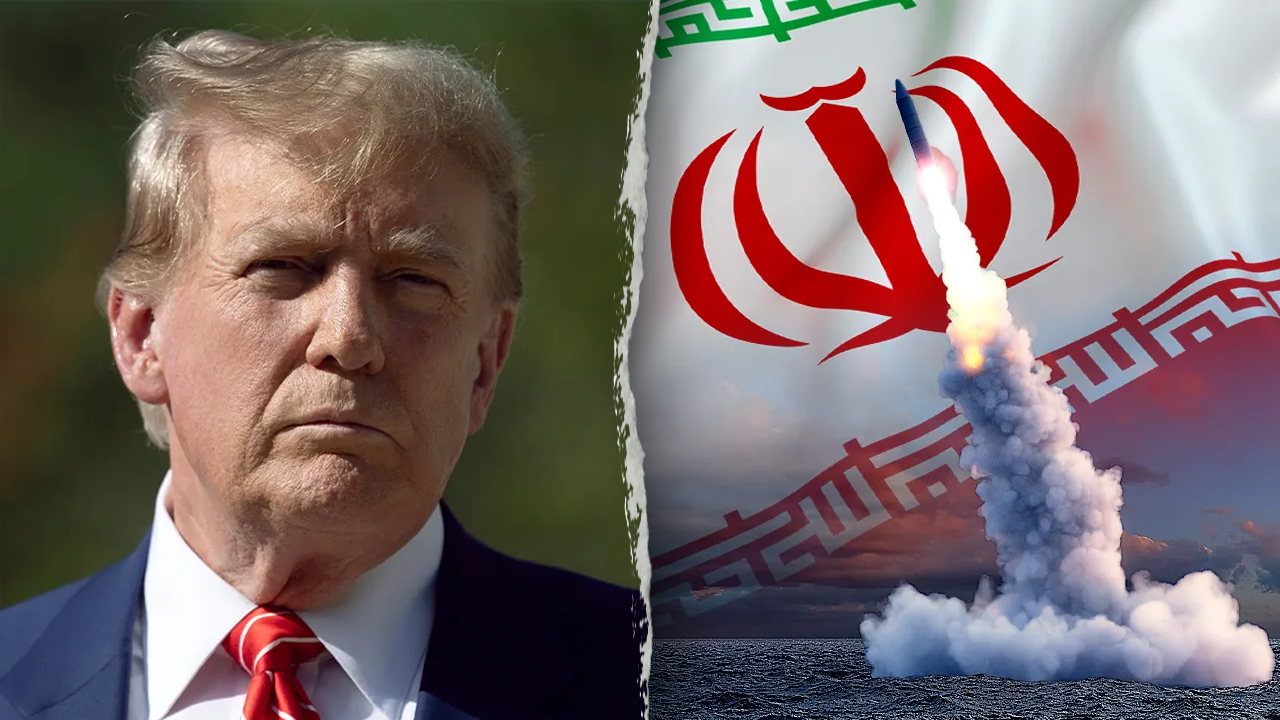
Iran's Revolutionary Guard has taken measures to organize ship movements in the strategically vital Strait of Hormuz, aiming to avoid naval mines and ensure safe navigation through this critical maritime corridor. The Strait of Hormuz connects the Persian Gulf to the Gulf of Oman and serves as a key transit route for a significant portion of the world's oil supply. Approximately one-fifth of global oil consumption passes through this narrow waterway, making it essential for international trade and energy security. The recent actions by Iran's Revolutionary Guard highlight ongoing tensions in the region and the potential risks posed by naval mines, which could disrupt shipping lanes and escalate conflicts.
This initiative comes amid heightened military activities and geopolitical tensions involving Iran and its regional adversaries. The presence of naval mines in the Strait poses a serious threat to maritime safety, and the Guard's efforts to coordinate ship movements are seen as a response to these challenges. By organizing safe passage for vessels, Iran aims to maintain its influence over the strait and reassure shipping companies of their safety while navigating these waters.
The significance of this development extends beyond Iran's borders, raising concerns among neighboring countries and global powers that rely on the Strait for energy supplies. The potential for increased military presence or confrontations in the area could have far-reaching implications for oil prices and global markets. The Strait of Hormuz has been the site of numerous incidents involving Iranian forces and foreign naval vessels, further complicating the security landscape.
As Iran continues to assert its control over the Strait, neighboring Gulf states and international stakeholders are closely monitoring the situation. The Gulf Cooperation Council (GCC) countries, including Qatar, Saudi Arabia, and the United Arab Emirates, have a vested interest in ensuring the security of maritime routes due to their reliance on oil exports. Any disruption in the Strait could lead to significant economic repercussions not only for these nations but also for global energy markets.
The Revolutionary Guard's actions reflect a broader strategy to project power and influence in the region while navigating the complexities of international maritime law and relations. As tensions persist, Gulf states may need to consider collaborative security measures to safeguard their interests and ensure the free flow of trade through this vital passageway.
The Iranian Revolutionary Guard's organization of ship movements in the Strait of Hormuz underscores the ongoing geopolitical dynamics in the region. For Qatar and its Gulf neighbors, these developments serve as a reminder of the delicate balance between maintaining security and fostering economic stability in a region where maritime routes are crucial for trade and energy supplies.
النسخة العربية
الحرس الثوري الإيراني ينظم حركة السفن في مضيق هرمز لضمان تفادي الألغام البحرية وتأمين الملاحة في المنطقة
في خطوة تهدف إلى تعزيز الأمن البحري في واحدة من أهم الممرات المائية في العالم، قام الحرس الثوري الإيراني بتنظيم حركة السفن في مضيق هرمز لضمان تفادي الألغام البحرية وتأمين الملاحة في المنطقة. تأتي هذه الخطوة في سياق التوترات المتزايدة، حيث يعتبر مضيق هرمز نقطة حيوية للتجارة العالمية، إذ يمر عبره نحو خُمس إنتاج النفط العالمي.
يعتبر مضيق هرمز ممراً استراتيجياً يربط بين الخليج العربي وبحر العرب، ويشكل شرياناً حيوياً لنقل النفط من دول الخليج إلى الأسواق العالمية. لذا فإن أي تهديد لأمن الملاحة في هذا المضيق يمكن أن يؤثر بشكل كبير على الاقتصاد العالمي وأسعار النفط. في هذا السياق، تأتي جهود الحرس الثوري الإيراني لتنظيم حركة السفن كجزء من مساعي طهران لضمان استقرار المنطقة وحماية مصالحها الوطنية.
تعتبر الألغام البحرية واحدة من التهديدات الرئيسية التي تواجه السفن المارة عبر المضيق، وهي تشكل خطراً كبيراً على سلامة الملاحة البحرية. وقد شهدت المنطقة في السنوات الأخيرة توترات متزايدة بين إيران والولايات المتحدة ودول أخرى، مما زاد من المخاوف بشأن إمكانية حدوث تصعيد عسكري قد يؤثر على حركة الملاحة. لذا فإن تنظيم حركة السفن وتفادي الألغام البحرية يعد خطوة هامة نحو تقليل هذه المخاطر وضمان سلامة النقل البحري.
Source tweet
Iran's Revolutionary Guard is organizing ship movements in the Strait of Hormuz to avoid naval mines and ensure safe navigation.
More Stories
 Iran
IranIran's Revolutionary Guard Warns of 'Death Spirals' in Strait of Hormuz Amid US Sanctions
 BREAKING
Settlement Guard Closes Gate of Al-Lubban Ash-Sharqiya on First School Day
 BREAKING
Trump Announces International Efforts to Block Iran's Oil Sales in Strait of Hormuz
 Iran
IranTrump Threatens Iran's Infrastructure, Pledges Tighter Sanctions
 Diplomacy