

Iran's Truce Efforts May Arrive Too Late for African Nations

Iran's recent efforts to broker a truce may arrive too late to alleviate the ongoing crises plaguing numerous African nations, raising concerns about the stability of the continent amidst escalating conflicts. The Iranian government has been actively pursuing diplomatic solutions to foster peace in various regions, yet many African countries are already grappling with severe humanitarian and security challenges. From civil wars to extremist violence, the continent is witnessing a surge in conflicts that have displaced millions and exacerbated poverty. The urgency of these crises has prompted calls for immediate intervention, making the timing of Iran's truce initiatives critical. However, the complexities of the African geopolitical landscape suggest that external efforts may struggle to gain traction or effectiveness.
In recent years, several African nations have faced protracted conflicts that have destabilized their regions and drawn international attention. Countries like South Sudan, the Democratic Republic of the Congo, and Ethiopia have been at the forefront of these crises, with internal strife leading to humanitarian disasters. The situation has been compounded by the effects of climate change, economic downturns, and the COVID-19 pandemic, which have further strained resources and governance structures. As Iran seeks to position itself as a peacemaker, the question remains whether its initiatives can address the deep-rooted issues that have led to such widespread instability.
Iran's involvement in African affairs has historically been viewed through the lens of its broader geopolitical ambitions, particularly its desire to expand influence in regions traditionally dominated by Western powers. While Tehran's outreach may be well-intentioned, the effectiveness of its diplomatic overtures is uncertain, especially given the entrenched nature of many conflicts on the continent. Skepticism surrounding Iran's motives could hinder its ability to forge meaningful alliances or facilitate lasting peace agreements.
Moreover, the African Union and regional organizations have been actively engaged in conflict resolution efforts, often prioritizing homegrown solutions that resonate more with local populations. These entities have developed frameworks for peace and security that reflect the unique cultural and political contexts of the regions they serve. As such, the introduction of external players like Iran may be met with resistance, particularly if perceived as undermining local agency or interests.
The potential for Iran's truce efforts to make a significant impact is further complicated by the diverse political landscapes across the continent. Each nation has its unique set of challenges, and a one-size-fits-all approach is unlikely to yield positive results. The effectiveness of any truce will depend on the willingness of local leaders to engage in dialogue and compromise, as well as the support of the international community in facilitating these discussions.
For Gulf nations, the evolving situation in Africa presents both challenges and opportunities. As regional players observe Iran's maneuvers, they may seek to enhance their own diplomatic efforts to stabilize the continent, recognizing that African stability is intrinsically linked to global security. The Gulf states have the potential to play a constructive role in supporting peace initiatives, leveraging their resources and influence to foster collaborative solutions that address the root causes of conflict.
As Iran's truce efforts unfold, the focus remains on whether they can effectively contribute to resolving the deep-seated issues facing African nations or if they will be seen as too little, too late in a continent that continues to grapple with the consequences of prolonged instability.
النسخة العربية
قد تصل جهود الهدنة الإيرانية متأخرة للعديد من الدول الإفريقية
تسعى إيران لتحقيق هدنة في بعض النزاعات الإقليمية، إلا أن هذه الجهود قد تأتي متأخرة بالنسبة للعديد من الدول الإفريقية التي تعاني من أزمات مستمرة. في الوقت الذي تحاول فيه إيران تعزيز دورها كوسيط في الصراعات، تواجه القارة الإفريقية تحديات متعددة تتطلب استجابات سريعة وفعالة.
تأتي هذه المساعي الإيرانية في سياق محاولاتها لتعزيز نفوذها الدبلوماسي في مناطق مختلفة من العالم، بما في ذلك إفريقيا. ومع ذلك، فإن الأزمات التي تعصف بالعديد من الدول الإفريقية تتطلب حلولاً عاجلة، حيث تعاني هذه الدول من نزاعات داخلية، وانعدام الأمن الغذائي، وتدهور الأوضاع الاقتصادية. هذه الأزمات المتفاقمة تجعل من الصعب على الجهود الإيرانية أن تحقق تأثيراً ملموساً في الوقت المناسب.
من المهم أن نلاحظ أن إفريقيا تواجه تحديات معقدة تتطلب تعاوناً دولياً واسع النطاق. فالصراعات المسلحة في بعض الدول، مثل السودان وجمهورية الكونغو الديمقراطية، تتطلب جهوداً مكثفة من المجتمع الدولي لتحقيق الاستقرار. كما أن التغيرات المناخية وتأثيراتها على الزراعة والأمن الغذائي تزيد من تعقيد الوضع في القارة.
Source tweet
As Iran seeks a truce, many African nations may find it comes too late to address their ongoing crises. Explore how this development impacts the continent's stability. Read more: https://localnews8.com/news/national-world/cnn-world/2026/04/09/the-iran-truce-may-be-too-late-for-many-african-countries/
More Stories
 BREAKING
Russian Interior Minister Kolokoltsev Arrives in North Korea for Talks
 Gulf
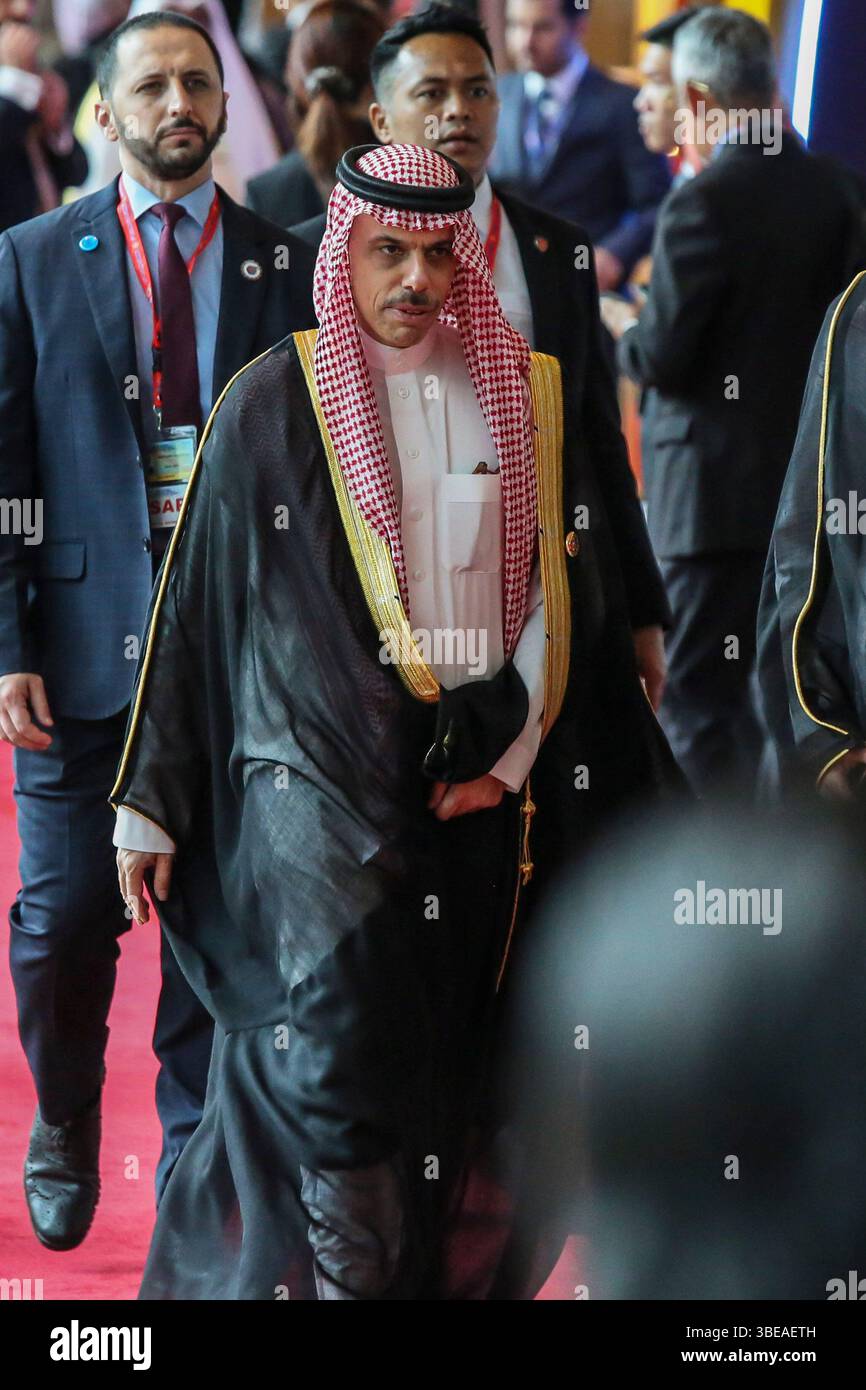
GulfQatar Foreign Ministry: Saudi PM and FM Stress Need to Intensify Efforts to Stop Escalation and Address Crisis Roots
 Iran
IranIran's Revolutionary Guard Warns of 'Death Spirals' in Strait of Hormuz Amid US Sanctions
 BREAKING
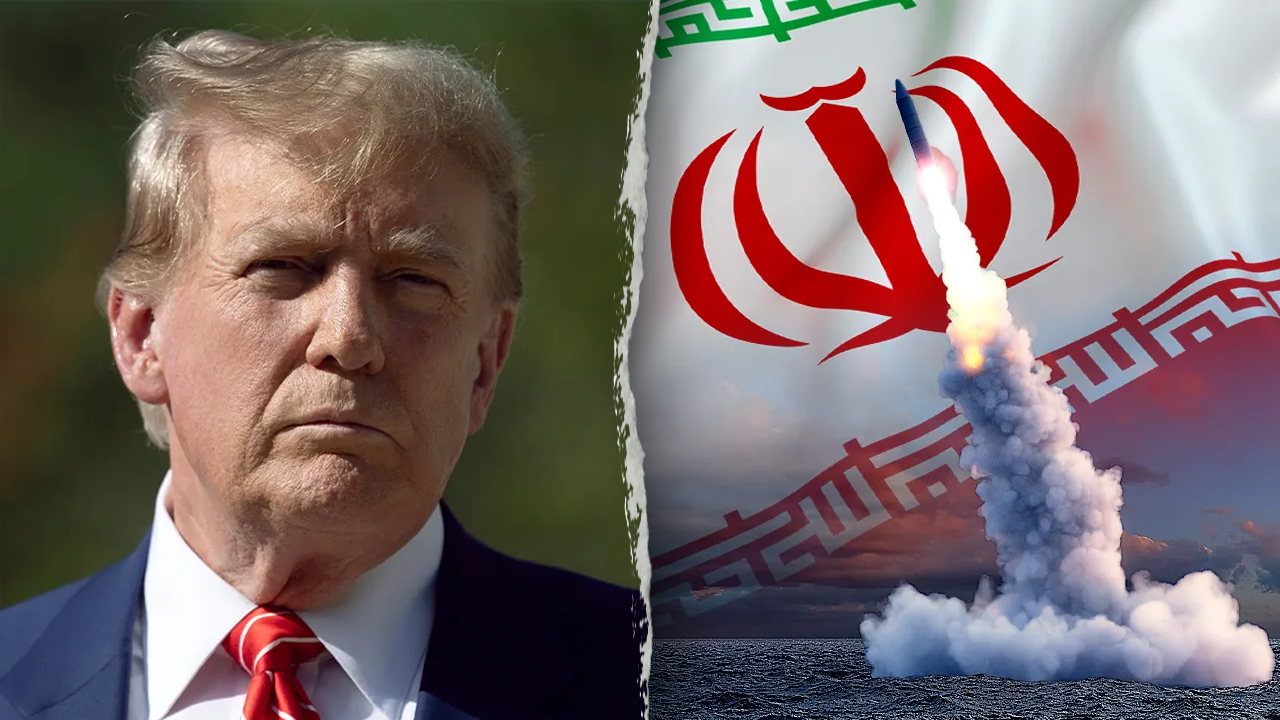
Trump Announces International Efforts to Block Iran's Oil Sales in Strait of Hormuz
 Iran
Iran