
IRGC Establishes New Shipping Lane in Strait of Hormuz Due to Mine Threats

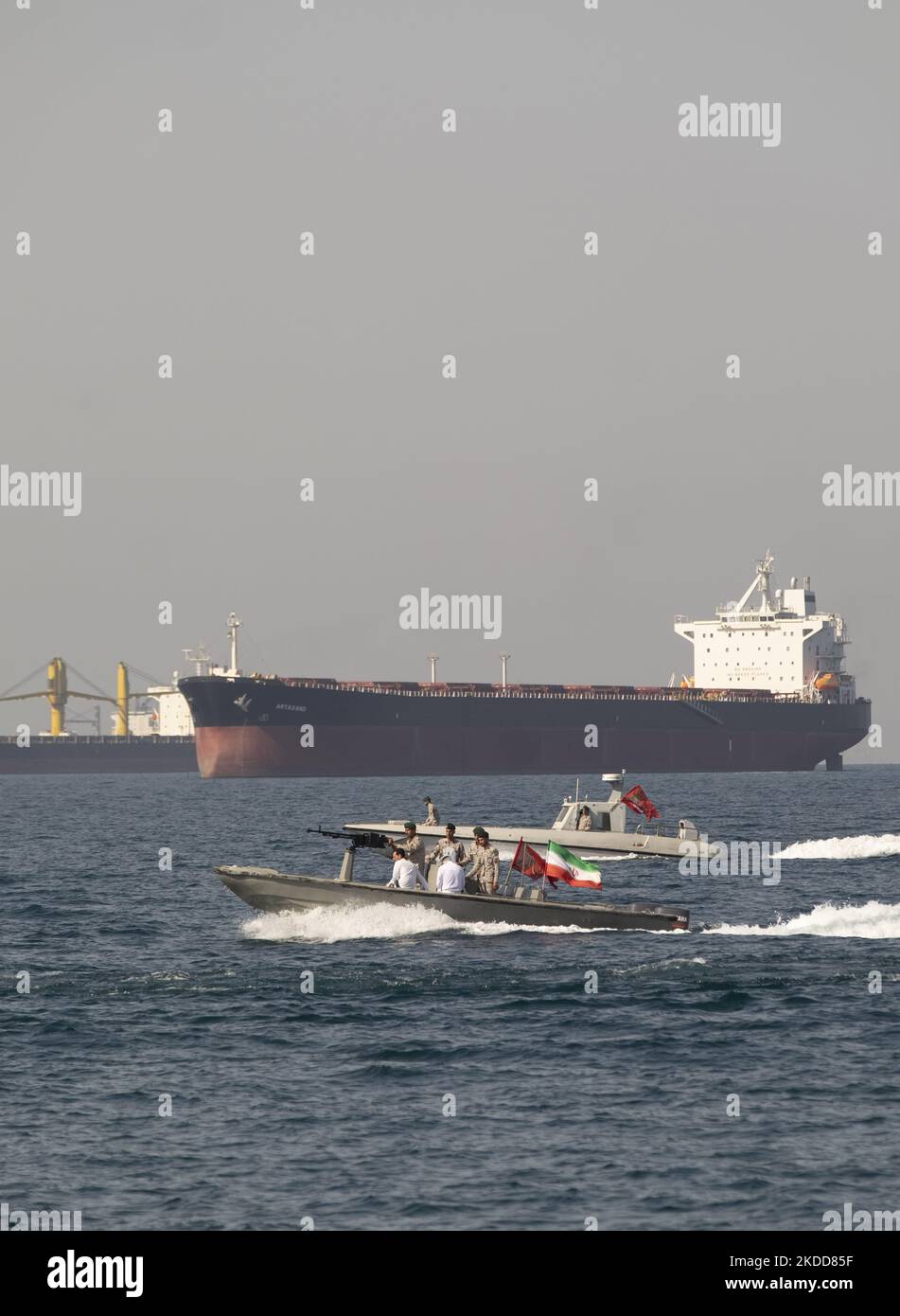
Iran's Islamic Revolutionary Guard Corps has announced the establishment of a new shipping lane through the Strait of Hormuz, citing the potential presence of naval mines along the previously designated route. The move represents a significant shift in maritime navigation through the world's most critical oil transit chokepoint, through which roughly one-fifth of global petroleum consumption passes daily.
The newly defined corridor brings commercial vessel traffic closer to Iranian territorial waters and the strategic island of Larak, situated at the eastern approach to the strait. Iranian authorities have indicated that the rerouting is intended to ensure the safety of maritime traffic, though the decision effectively places international shipping under closer Iranian surveillance and monitoring.
The announcement comes amid heightened tensions in the Persian Gulf region, where military posturing and economic pressures have intensified concerns over the security of energy supply routes. The Strait of Hormuz, barely 33 kilometers wide at its narrowest point, has long been a flashpoint in regional geopolitics, with Iran repeatedly signaling its capacity to disrupt traffic through the waterway in response to external threats.
Maritime security analysts noted that the redrawn shipping lane gives Tehran greater oversight of vessel movements while positioning the IRGC to respond more rapidly to any perceived threats. The reference to mine dangers along the previous route raises questions about whether Iran possesses intelligence on specific threats or is leveraging the claim to justify expanded naval influence over the corridor.
For Qatar, the development carries direct economic implications. As the world's leading exporter of liquefied natural gas, Doha depends heavily on unimpeded passage through the Strait of Hormuz for its LNG carriers bound for markets in Asia and Europe. Any disruption or increased risk premium on shipping through the strait could ripple through global energy markets and affect Qatar's export revenues.
Gulf Cooperation Council member states have historically emphasized the importance of freedom of navigation through the strait as a matter of collective economic security. Qatar, which has maintained a policy of diplomatic engagement with Tehran while hosting the largest American military base in the region at Al Udeid, finds itself navigating a delicate balance between its security partnerships and its interest in regional stability.
International maritime organizations have not yet issued revised guidance in response to Iran's announcement. Shipping companies operating in the region are expected to assess the new routing requirements and any additional insurance costs associated with transiting closer to Iranian-controlled waters.
The situation underscores the fragility of global energy supply chains and the outsized influence that control over narrow maritime passages confers on coastal states. Diplomatic observers will be watching closely for reactions from Washington, Riyadh, and Abu Dhabi, as well as any response from international naval coalitions operating in the region.
النسخة العربية
عاجل | الحرس الثوري الإيراني يعلن عن مسار ملاحي جديد عبر مضيق هرمز، بسبب احتمال وجود ألغام بحرية في المسار السابق
أعلن الحرس الثوري الإيراني عن إنشاء مسار ملاحي جديد عبر مضيق هرمز، مستنداً إلى احتمال وجود ألغام بحرية على طول المسار المعتمد سابقاً. ويمثل هذا القرار تحولاً بارزاً في حركة الملاحة البحرية عبر أهم نقطة عبور للنفط في العالم، إذ يمر من خلالها نحو خُمس الاستهلاك العالمي اليومي من البترول.
ويقترب الممر الجديد من المياه الإقليمية الإيرانية وجزيرة لارك الاستراتيجية الواقعة عند المدخل الشرقي للمضيق، مما يضع حركة السفن التجارية الدولية تحت رقابة إيرانية أكثر إحكاماً. وأوضحت السلطات الإيرانية أن إعادة توجيه المسار تهدف إلى ضمان سلامة حركة الملاحة البحرية، غير أن القرار يمنح طهران فعلياً قدرة أكبر على مراقبة السفن العابرة والتحكم في تدفقها.
ويأتي هذا الإعلان في ظل تصاعد التوترات في منطقة الخليج، حيث أدى التصعيد العسكري والضغوط الاقتصادية إلى تعميق المخاوف بشأن أمن طرق إمداد الطاقة. ويُعد مضيق هرمز، الذي لا يتجاوز عرضه 33 كيلومتراً في أضيق نقاطه، بؤرة توتر جيوسياسي مزمنة، إذ لطالما أشارت إيران إلى قدرتها على تعطيل الملاحة فيه رداً على أي تهديدات خارجية.
Source tweet
Iran redefines shipping lanes in the Strait of Hormuz over mine threats, drawing routes closer to its territorial waters. Strategic move emphasizes monitored passage near Larak Island, showing Tehran's adaptability in safeguarding vital maritime pathways.
More Stories
 Iran
IranUS Plans to Target Iran's Capabilities in Strait of Hormuz
 money
moneyQatar Expat Remittances 2026: Hormuz Crisis Risks for Filipino, Indian Workers
 Iran
IranNBC Reports 12 Ships Passed Through Strait of Hormuz in 24 Hours
 Economy
Iran Hormuz Blockade 2026: Qatar LNG and Gulf Oil Exports at Risk
 Iran
Iran