

Israel's military confirms the killing of Quds Force commander Davood Alizadeh in a targeted strike in Tehran. His role

Israel's military has confirmed the death of Quds Force commander Davood Alizadeh in a targeted strike in Tehran, marking a significant escalation in regional tensions and complicating the already fraught dynamics between Israel and Iran. Alizadeh, known for his pivotal role in enhancing Hezbollah's strategic capabilities, was reportedly instrumental in coordinating military support and operations for the Lebanese militant group, a longstanding adversary of Israel.
The assassination of Alizadeh is viewed as a bold move by Israel, reflecting its ongoing campaign to disrupt Iranian influence in the region. The Quds Force, a unit of Iran's Islamic Revolutionary Guard Corps, has been at the forefront of Iran's efforts to project power across the Middle East, particularly through its support of proxy groups like Hezbollah. By targeting a high-ranking official such as Alizadeh, Israel aims to send a clear message regarding its commitment to countering Iranian activities that threaten its national security.
Alizadeh's involvement with Hezbollah has been significant, as he played a crucial role in bolstering the group's military capabilities, including the development of advanced weaponry and tactical training. His death could potentially create a power vacuum within the Quds Force and disrupt the operational effectiveness of Hezbollah, at least in the short term. Analysts suggest that this targeted strike may provoke a response from Iran and its allies, further intensifying the cycle of violence and retaliation in the region.
The implications of Alizadeh's assassination extend beyond immediate military considerations. It highlights the precarious balance of power in the Middle East, where proxy conflicts often have far-reaching consequences. The ongoing tensions between Israel and Iran have already led to a series of confrontations, and this latest development is likely to exacerbate the situation. Regional actors, including Gulf states, are closely monitoring the fallout, as any escalation could directly impact their security and stability.
From the perspective of Qatar and other Gulf nations, the assassination of a key Iranian military figure raises concerns about the potential for increased hostilities and the risk of wider conflict. The Gulf states have historically sought to maintain a delicate balance in their relations with both Iran and Israel, navigating the complexities of regional geopolitics. As tensions rise, there is a growing need for diplomatic engagement and dialogue to prevent further escalation and address the underlying issues that fuel such conflicts.
The killing of Davood Alizadeh represents a significant turning point in the ongoing struggle for influence in the Middle East. As Israel continues its campaign against Iranian entrenchment, the potential for retaliation and further conflict looms large, prompting urgent calls for diplomatic efforts to stabilize the region. The Gulf states, including Qatar, must remain vigilant as the situation unfolds, recognizing the broader implications for their own national security and regional stability.
النسخة العربية
عاجل | تأكيد مقتل داوود علي زاده قائد فرع لبنان في فيلق القدس الإيراني
أعلنت إسرائيل عن مقتل داوود علي زاده، قائد فرع لبنان في فيلق القدس الإيراني، في هجوم استهدف العاصمة الإيرانية طهران. وأكدت المصادر أن العملية تمت بتوجيه من الاستخبارات العسكرية الإسرائيلية، مما يعكس تصعيداً جديداً في التوترات الإقليمية بين إسرائيل وإيران.
يعد داوود علي زاده من الشخصيات البارزة في فيلق القدس، وهو الجناح الخارجي للحرس الثوري الإيراني، والذي يلعب دوراً حاسماً في تعزيز قدرات حزب الله اللبناني. يعتبر فيلق القدس المسؤول الرئيسي عن العمليات العسكرية الإيرانية خارج الحدود، ويُنظر إليه على أنه أداة رئيسية في تنفيذ السياسة الخارجية الإيرانية في المنطقة. وقد ساهم علي زاده بشكل كبير في دعم وتدريب وتسليح حزب الله، مما جعله هدفاً مهماً لإسرائيل التي تعتبر حزب الله تهديداً مباشراً لأمنها.
تأتي هذه العملية في سياق سلسلة من العمليات التي تستهدف شخصيات بارزة في فيلق القدس، والتي تُنسب عادة إلى إسرائيل. وقد شهدت السنوات الأخيرة تصاعداً في هذه العمليات، مما يعكس استراتيجية إسرائيلية تهدف إلى تقويض النفوذ الإيراني في المنطقة والحد من قدرات حزب الله العسكرية. تعتبر هذه العمليات جزءاً من الصراع الأوسع بين إسرائيل وإيران، والذي يشمل أيضاً المواجهات في سوريا ولبنان، حيث تسعى إيران إلى تعزيز وجودها ونفوذها.
Source tweet
Israel's military confirms the killing of Quds Force commander Davood Alizadeh in a targeted strike in Tehran. His role in bolstering Hezbollah's strategic capabilities highlights a significant escalation in regional tensions.
More Stories
 Iran
IranIranian Security Forces Confront Jundallah Militants, Kill Several Terrorists
 Iran
IranIranian Forces Divert Two Oil Tankers in Strait of Hormuz
 Palestine
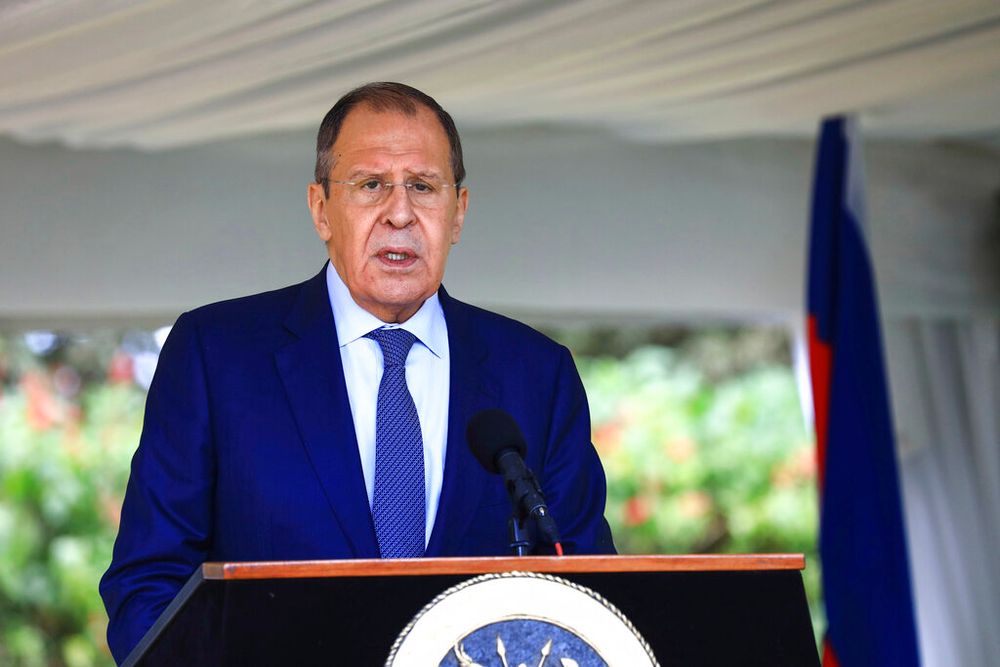
Russian Foreign Minister Says US Recognises Israel's Golan Heights Claim
 Iran
IranIRGC Navy Vows Retaliation Against US Forces in Strait of Hormuz
 Gulf
Gulf