

Kenya's Tea Exports Struggle Amid Iran Conflict and Rising Stocks

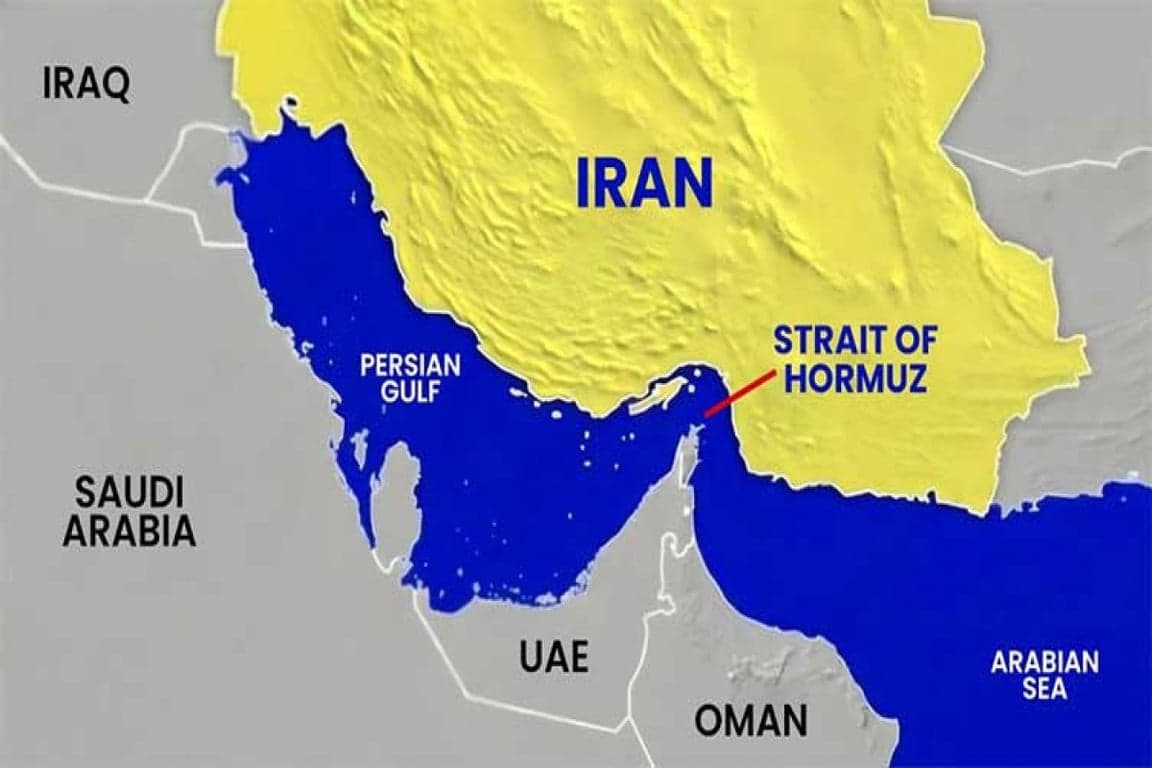
Kenya's tea exports are facing significant challenges due to the ongoing conflict in Iran, which has led to rising stockpiles and concerns about the future of the country's vital tea industry. Reports indicate that the conflict has disrupted trade routes and diminished demand from one of Kenya's key markets.
The tea sector is a cornerstone of Kenya's economy, contributing significantly to foreign exchange earnings and providing livelihoods for millions of farmers. However, current geopolitical tensions have resulted in a backlog of tea shipments, causing stockpiles to accumulate at processing facilities. Exporters are struggling to find buyers, as the conflict in Iran has not only affected demand but also complicated logistics and transportation routes. Historically, the Iranian market has been one of the largest importers of Kenyan tea, and this disruption is expected to have a ripple effect throughout the industry.
The implications of this situation extend beyond immediate economic concerns. The tea industry in Kenya has been a crucial source of employment, particularly in rural areas where many families rely on tea farming for their income. As stockpiles grow, farmers risk facing reduced prices for their produce, which could lead to financial strain and affect their livelihoods. Additionally, the accumulation of unsold tea poses a risk of quality degradation, as tea can lose its flavor and freshness when stored for extended periods.
Other factors are also contributing to the challenges faced by Kenya's tea exporters. Global market dynamics, including fluctuating prices and competition from other tea-producing countries, have added pressure to the sector. This combination of elements creates a precarious situation for an industry that is already vulnerable to external shocks.
As the situation develops, stakeholders in the tea industry are calling for immediate interventions to address the stockpiling issue and seek alternative markets to mitigate the impact of the conflict in Iran. The government and industry leaders are urged to explore new partnerships and trade agreements that could help stabilize exports and ensure that Kenyan tea remains competitive in the global market.
From a Gulf perspective, the situation underscores the interconnectedness of global trade and the vulnerabilities that can arise from geopolitical conflicts. Countries in the Gulf region, including Qatar, have been significant importers of Kenyan tea, and any disruptions in supply could lead to increased prices and potential shortages. As Gulf states continue to diversify their economies and strengthen trade relations, the health of the tea industry in Kenya remains a critical factor in maintaining a steady supply of this popular beverage.
The ongoing challenges faced by Kenya's tea exporters serve as a reminder of the fragility of global supply chains and the need for resilience in the face of external pressures. As stakeholders work to navigate these turbulent waters, the future of Kenya's tea industry will depend on adaptability and strategic planning to overcome current obstacles and secure its place in the global market.
النسخة العربية
صادرات الشاي الكينية تواجه صعوبات بسبب النزاع الإيراني وتكدس المخزونات
تواجه صادرات الشاي الكينية تحديات كبيرة نتيجة النزاع المستمر في إيران، مما أدى إلى تراكم المخزونات وزيادة القلق بشأن مستقبل هذه الصناعة الحيوية. تعد كينيا واحدة من أكبر مصدري الشاي في العالم، حيث تلعب دورًا محوريًا في الاقتصاد الوطني من خلال توفير العملة الصعبة وتوفير فرص العمل لآلاف المواطنين. ومع ذلك، فإن النزاع في إيران، الذي يعد واحدًا من الأسواق الرئيسية للشاي الكيني، قد ألحق ضررًا كبيرًا بالصادرات.
تعتبر إيران من أكبر مستوردي الشاي الكيني، حيث تعتمد بشكل كبير على هذا المنتج لتلبية احتياجات السوق المحلي. ومع تصاعد النزاع في المنطقة، تأثرت عمليات الاستيراد بشكل كبير، مما أدى إلى انخفاض الطلب على الشاي الكيني. هذا الانخفاض في الطلب تسبب في تراكم المخزونات في كينيا، حيث يجد المنتجون أنفسهم في موقف صعب مع تزايد الضغوط المالية.
تُظهر الأرقام أن كينيا تصدر حوالي 500 مليون كيلوغرام من الشاي سنويًا، مع تحقيق إيرادات تصل إلى أكثر من مليار دولار أمريكي. ومع ذلك، فإن النزاع في إيران قد أدى إلى انخفاض كبير في الصادرات، مما أثر بشكل مباشر على الإيرادات. بالإضافة إلى ذلك، فإن تراكم المخزونات يضع ضغوطًا إضافية على المنتجين الذين يواجهون تحديات في تخزين الشاي لفترات طويلة دون التأثير على جودته.
Source tweet
Kenya's tea exports are facing significant challenges as the ongoing conflict in Iran leads to increased stockpiles. This situation raises concerns for the future of the tea industry. Read more about the impact on exports.
More Stories
 Iran
IranIran Threatens Hormuz Closure if Oil Exports Blocked, Speaker Warns
 Politics
UNDP Director States Middle East Conflict Hinders Development, Impact Remains Post-War
Gulf States Face Long-Term Impact from Iran Conflict
 BREAKING
Trump Criticizes NATO for Lack of Support in US-Iran Conflict
 BREAKING