

Limited Movement in Strait of Hormuz Following US-Iran Ceasefire Announcement

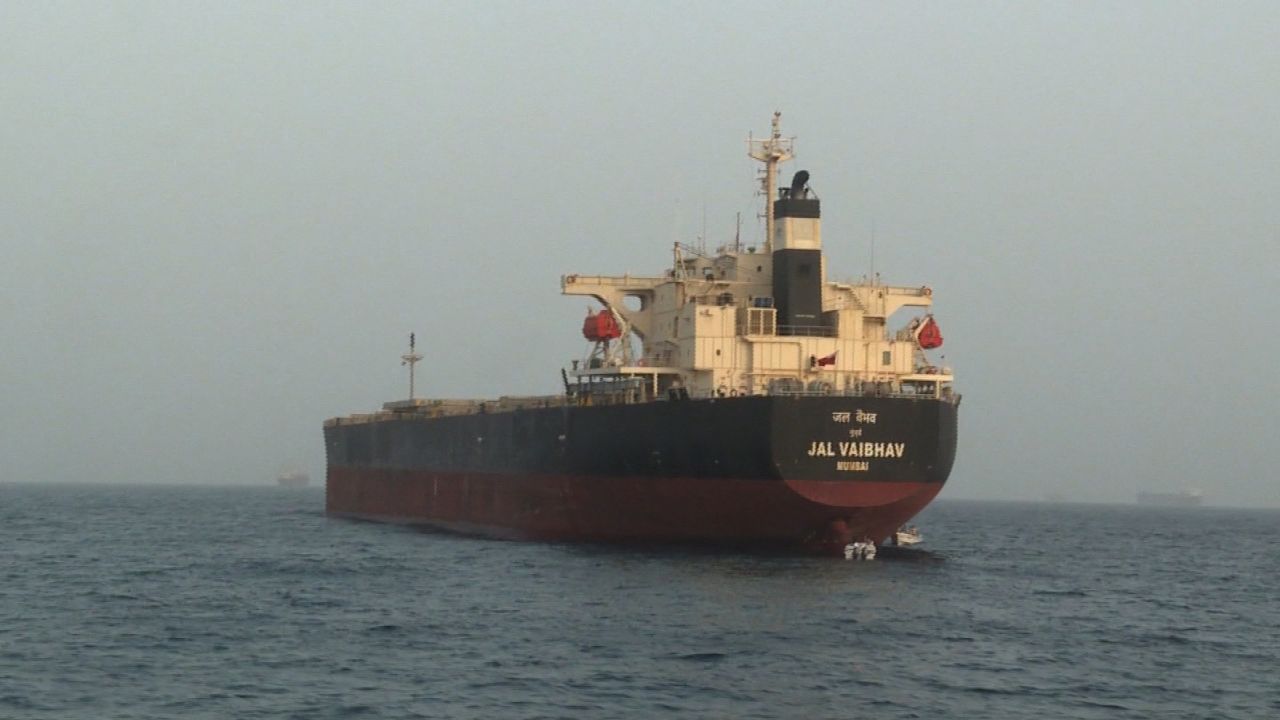
Limited maritime movement has been observed in the Strait of Hormuz following a ceasefire announcement between the United States and Iran, underscoring the importance of diplomatic efforts in ensuring regional stability. The Strait of Hormuz, a crucial waterway for global oil shipments, has been a focal point of tension between the two nations, with previous incidents escalating fears of conflict in the region.
The ceasefire, aimed at de-escalating rising tensions, comes at a critical time as a significant percentage of the world's oil supply transits through the Strait of Hormuz. The announcement has prompted a cautious response from shipping companies and maritime authorities, leading to a temporary reduction in vessel traffic. This limited movement reflects ongoing uncertainty in the region, as stakeholders assess the implications of the ceasefire on maritime security and trade routes.
Historically, the Strait of Hormuz has been a strategic chokepoint, making it vital for international trade and energy supply. The recent ceasefire announcement has been welcomed by various nations and organizations advocating for peaceful resolutions to conflicts in the region. Analysts suggest that sustained diplomatic engagement is essential to prevent future escalations and foster a more stable environment for commerce and navigation.
In the Gulf region, the implications of the ceasefire extend beyond immediate maritime activity. The economies of Gulf Cooperation Council (GCC) countries are closely tied to the stability of oil prices and the security of shipping routes. Any disruption in the Strait of Hormuz can have far-reaching consequences, affecting not only regional economies but also global markets. Consequently, the announcement has been met with cautious optimism among Gulf states, which are eager to see a reduction in hostilities and an increase in diplomatic dialogue.
The situation remains fluid, with stakeholders closely monitoring developments in US-Iran relations. The ceasefire represents a potential turning point in a long-standing rivalry that has shaped the geopolitical landscape of the Middle East. While the immediate effects on maritime movement are evident, the broader implications for regional security and economic stability will depend on the commitment of both nations to uphold the ceasefire and engage in constructive dialogue.
As the Gulf region navigates this complex landscape, the significance of diplomatic channels is clear. The ceasefire serves as a reminder of the potential for negotiation and compromise, even amid deep-seated tensions. For Qatar and its neighbors, there is hope that this moment can lead to a more peaceful and prosperous future, where trade and cooperation can flourish without the shadow of conflict looming over the Strait of Hormuz.
النسخة العربية
حركة محدودة في مضيق هرمز بعد ساعات من إعلان الولايات المتحدة وإيران وقف إطلاق النار
أعلنت الولايات المتحدة وإيران عن وقف إطلاق النار، مما أدى إلى حركة محدودة في مضيق هرمز، وهو ممر مائي حيوي يمر من خلاله نحو 20% من النفط العالمي. يأتي هذا الإعلان في وقت تشهد فيه المنطقة توترات متزايدة بين القوى الإقليمية والدولية، مما يجعل هذا التطور ذا أهمية كبيرة على الصعيدين الاقتصادي والسياسي.
يعتبر مضيق هرمز واحداً من أهم الممرات البحرية في العالم، حيث يمر عبره جزء كبير من صادرات النفط الخام والغاز الطبيعي المسال من دول الخليج إلى الأسواق العالمية. أي اضطراب في هذا المضيق يمكن أن يؤثر بشكل مباشر على أسعار النفط العالمية، ويزيد من التوترات الجيوسياسية في المنطقة. لذلك، فإن أي خطوة نحو تهدئة الأوضاع في هذه المنطقة تعتبر ذات أهمية استراتيجية.
جاء القرار بوقف إطلاق النار بعد سلسلة من الحوادث البحرية والتوترات العسكرية التي شهدتها المنطقة في الأشهر الأخيرة. أثارت هذه الحوادث مخاوف من تصاعد النزاع إلى مواجهة عسكرية شاملة، مما دفع القوى الدولية إلى التدخل لمحاولة تهدئة الأوضاع. يعكس الإعلان عن وقف إطلاق النار رغبة الأطراف المعنية في تجنب تصعيد النزاع، والتركيز على إيجاد حلول دبلوماسية للمشكلات القائمة.
Source tweet
Limited activity in the Strait of Hormuz follows a ceasefire announcement by the US and Iran. Diplomatic efforts crucial for regional stability.
More Stories
 money
moneyQatar Expat Remittances 2026: Hormuz Crisis Risks for Filipino, Indian Workers
 Iran
IranNBC Reports 12 Ships Passed Through Strait of Hormuz in 24 Hours
 Economy
Iran Hormuz Blockade 2026: Qatar LNG and Gulf Oil Exports at Risk
 Iran
IranNetherlands Joins Hormuz Freedom of Navigation Mission After Iran Crisis
 Iran
Iran