

Middle East Air Travel: Navigating Chaos in the Skies
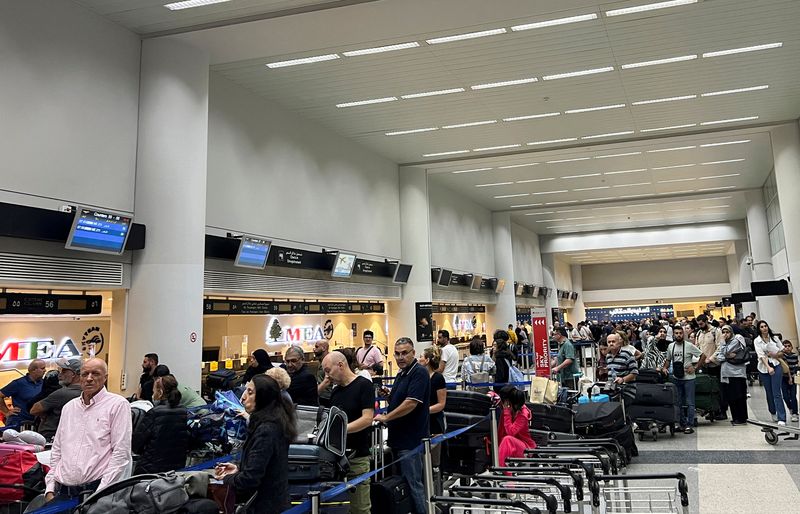
In the weeks following the United States and Israel's strikes on Iran on 28 February 2026, the skies above the Middle East fell silent in a way that had no modern precedent. What began as a precautionary rerouting of commercial flights became, within days, one of the most severe aviation disruptions in history — grounding more than 52,000 flights and stranding millions of passengers across a region that sits at the geographic heart of global air travel.
The numbers tell part of the story. Dubai International Airport, which handles connections between 291 destinations and serves as the primary transit hub for traffic between Europe, Asia, and Africa, dropped 85 percent of its scheduled flights in the first week after the conflict began. More than 21,000 departures from seven major airports — including Doha, Abu Dhabi, Riyadh, and Amman — were cancelled in that same initial period. By late March, Flightradar24 data showed cumulative cancellations exceeding 52,000 flights since the conflict began.
A Corridor That Cannot be Replaced
The Middle East aviation corridor is not merely convenient — it is structurally irreplaceable in the current architecture of global air travel. The great circle routes linking Europe to South and Southeast Asia, East Africa, and Australia all pass through or near the Persian Gulf. When that airspace is closed, airlines face choices that are costly at best and operationally impossible at worst.
The alternative routing options are significant. Flights that previously transited the Gulf now face diversions over Central Asia or the southern Indian Ocean, adding anywhere from two to five hours of flight time, consuming substantially more fuel, and in some cases requiring additional technical stops. IATA estimated in early March that global airlines were collectively incurring an additional $600 million per week in operating costs due to rerouting and cancellations.
Airline Responses: Suspension and Uncertainty
Major carriers responded with an unusual degree of bluntness. British Airways suspended all flights to Dubai, Amman, Bahrain, and Tel Aviv through 31 May 2026, with Abu Dhabi suspended indefinitely through the remainder of the year. Lufthansa, Air France, KLM, Singapore Airlines, and IndiGo joined Qatar Airways — whose home airport in Doha was itself subject to temporary airspace restrictions — in halting or severely curtailing Middle East operations.
Qatar Airways presents a particular case study in the collision between geography and geopolitics. As the national carrier of a country simultaneously attacked by Iran and hosting U.S. military assets at Al Udeid Air Base, Qatar Airways faced a situation where its own government was both a military target and a diplomatic neutral. The airline suspended most routes for several days before resuming a reduced schedule as Qatar's airspace status clarified.
The Human Cost
Beyond the balance sheets, the human dimension of the disruption has been acute. Hundreds of thousands of travellers were stranded at transit hubs across Asia, Europe, and Africa — passengers who had booked connections through Dubai or Doha and found themselves indefinitely delayed. Families separated across continents, medical patients unable to reach treatment facilities, and migrant workers from South Asia unable to return to Gulf employment have all featured in the emerging picture of the conflict's civilian cost.
The economic damage to regional tourism and hospitality has been immediate and severe. Oxford Economics projected that the conflict could disrupt up to 116 million trips globally in 2026, with the Middle East facing a potential 27 percent decline in inbound arrivals compared to the prior year. The region's tourism industry stands to lose an estimated $56 billion in visitor spending across the remainder of the year, according to CNBC reporting from early March.
Insurance and Legal Complications
The aviation disruptions have also triggered a complex legal landscape around travel insurance and passenger rights. Most travel insurance policies contain war exclusion clauses that deny compensation when disruption is caused by military conflict. Airlines have been navigating conflicting regulatory frameworks: European Union rules governing passenger compensation in cases of cancellation do not clearly apply when the cancellation is attributed to airspace closure due to active combat.
For passengers, the practical reality has been inconsistent. Some airlines offered full refunds or rebooking at no charge; others pointed to force majeure clauses in their contracts of carriage. Consumer advocacy groups across Europe and Asia have flagged the inconsistency as a systemic gap in passenger protection frameworks.
The Path to Normalisation
The aviation industry is watching the diplomatic landscape closely. Any ceasefire or negotiated pause in hostilities would allow for a rapid reassessment of airspace safety, though the return to full operational normality would take considerably longer as airlines rebuild scheduling confidence and travellers reassess risk. The experience has exposed the degree to which the global aviation system — already stretched by post-pandemic capacity constraints — has no resilient alternative to the Middle East corridor for a significant portion of intercontinental travel. Until the guns fall silent, the world's most connected skies remain effectively closed.
النسخة العربية
السفر الجوي في الشرق الأوسط: التنقل وسط الفوضى في الأجواء
<p>في الأسابيع التي أعقبت الضربات الأمريكية الإسرائيلية على إيران في 28 فبراير 2026، خيّم الصمت على سماء الشرق الأوسط بصورة لم تشهد لها المنطقة نظيراً في العصر الحديث. ما بدأ بتحويل احترازي لمسارات الرحلات التجارية تحوّل في غضون أيام إلى واحدة من أشد اضطرابات الطيران المدني حدةً في التاريخ، إذ عُلِّق أكثر من 52 ألف رحلة جوية وتكدّست الملايين من المسافرين في بلدان العبور.</p><p>تكشف الأرقام جزءاً من الحقيقة. فمطار دبي الدولي، الذي يربط بين 291 وجهة ويُشكّل محور العبور الرئيسي للحركة بين أوروبا وآسيا وأفريقيا، فقد 85 بالمئة من رحلاته المجدولة خلال الأسبوع الأول من اندلاع الأعمال العدائية. وبحلول أواخر مارس، تجاوزت الإلغاءات التراكمية الموثقة عبر خدمة فلايت رادار 24 حاجز 52 ألف رحلة.</p><h2>ممر لا يمكن تعويضه</h2><p>لا يُعدّ الممر الجوي للشرق الأوسط مجرد خيار ملائم، بل هو ركيزة هيكلية لا غنى عنها في بنية حركة الطيران العالمي. فمسارات الدائرة العظمى الرابطة بين أوروبا وجنوب آسيا وجنوب شرقها وشرق أفريقيا وأستراليا تمر كلها عبر الخليج أو بمحاذاته. وحين يُغلق هذا الفضاء الجوي، تجد شركات الطيران نفسها أمام خيارات باهظة التكلفة في أفضل الأحوال.</p><p>تستلزم مسارات التحويل البديلة العبور فوق آسيا الوسطى أو جنوب المحيط الهندي، مما يُضيف من ساعتين إلى خمس ساعات إلى أوقات الطيران، ويستهلك كميات إضافية كبيرة من الوقود. وقدّرت الرابطة الدولية للنقل الجوي إياتا في مطلع مارس أن شركات الطيران العالمية تتكبّد مجتمعةً تكاليف تشغيلية إضافية بنحو 600 مليون دولار أسبوعياً.</p><h2>تعليق الرحلات وغياب اليقين</h2><p>ردّت الشركات الكبرى بشفافية غير معهودة. فقد علّقت بريتيش إيرويز جميع رحلاتها إلى دبي وعمّان والبحرين وتل أبيب حتى 31 مايو 2026. وانضمت إليها لوفتهانزا وإير فرانس وكيه إل إم وسنغافورة إيرلاينز وإنديغو والخطوط الجوية القطرية في وقف عملياتها الشرق أوسطية أو تقليصها تقليصاً حاداً.</p><p>تقدّم الخطوط الجوية القطرية نموذجاً استثنائياً في تقاطع الجغرافيا والسياسة. فبوصفها الناقل الوطني لدولة استُهدفت عسكرياً من قِبَل إيران في حين تستضيف قاعدة العديد الجوية، وجدت الشركة نفسها في موقف بالغ الدقة. علّقت الخطوط القطرية معظم رحلاتها لأيام قبل أن تستأنف جدولاً مُخفَّضاً.</p><h2>الكلفة الإنسانية</h2><p>تجاوز الاضطراب حدود أرقام الأعمال ليطال البُعد الإنساني بعمق. تكدّست مئات الآلاف من المسافرين في مراكز العبور عبر آسيا وأوروبا وأفريقيا. وقدّرت تقارير أوكسفورد إيكونوميكس أن النزاع قد يُعطّل ما يصل إلى 116 مليون رحلة على مستوى العالم في 2026، فيما توقّعت تقديرات أخرى خسائر في الإنفاق السياحي للمنطقة تبلغ 56 مليار دولار خلال بقية العام.</p><h2>مسار التعافي</h2><p>يُراقب قطاع الطيران المشهد الدبلوماسي باهتمام بالغ. فأي وقف لإطلاق النار أو هدنة مفاوَض عليها سيُتيح إعادة تقييم سلامة المجال الجوي بسرعة، غير أن العودة إلى الأداء التشغيلي الكامل ستستغرق وقتاً أطول بكثير. وقد كشف هذا الاختبار القاسي أن منظومة الطيران العالمية ليس لديها بديل مقاوم للاضطرابات عن الممر الجوي للشرق الأوسط — وأن أجواء العالم لن تستعيد انفتاحها الكامل ما لم تصمت المدافع أولاً.</p>
Source tweet
21,000+ flights cancelled. Dubai dropped 85% of scheduled flights. British Airways suspended routes through May. The Iran war has grounded the world's busiest aviation corridor.
More Stories
 BREAKING
U.S. Navy Deploys Minesweeping Ships to Middle East for Strait of Hormuz Operations
 Politics
UNDP Director States Middle East Conflict Hinders Development, Impact Remains Post-War
 BREAKING
Von der Leyen: Middle East Crisis Underscores Need for Green Energy Transition
 flights
Airline Pilots Fear Retribution Over Refusing Middle East Flights
 Gulf
Gulf