

Middle East Conflict Deepens Fuel Shortages in Africa
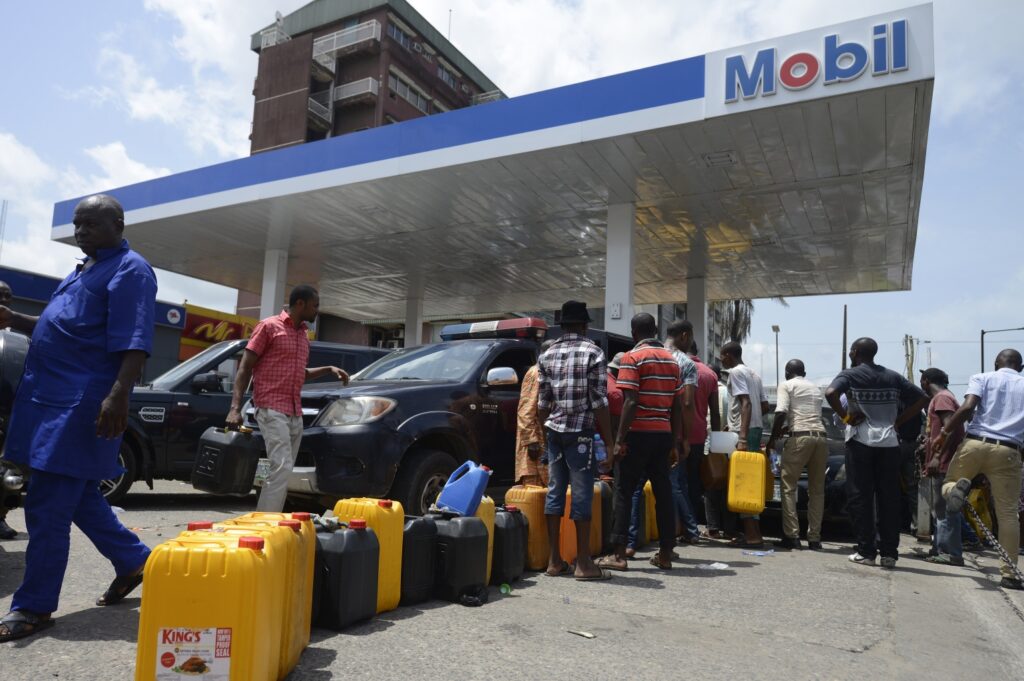
The ongoing conflict in the Middle East is worsening fuel shortages across Africa, creating significant challenges for the continent's energy security and economic stability. As violence escalates in the region, the repercussions are felt far beyond its borders, particularly in African nations that rely heavily on imported fuel.
The conflict has disrupted supply chains and contributed to rising global oil prices, leading to increased fuel costs in many African countries. The situation is particularly dire for nations already grappling with economic instability and high inflation rates. For instance, Sudan is facing severe shortages that threaten to cripple its economy and hinder essential services. The rising cost of fuel affects transportation and logistics and has a cascading effect on food prices and other basic necessities, further straining the livelihoods of millions.
Energy security has become a pressing issue for many African nations, which depend on imported fuel to meet their energy needs. This reliance on external sources makes the continent vulnerable to fluctuations in global oil markets, and the current conflict in the Middle East exacerbates this vulnerability. With few viable solutions to mitigate the impact of fuel shortages, African governments are under increasing pressure to find alternatives and stabilize their economies.
In response to the crisis, some African countries are exploring various strategies to enhance their energy security. These include investing in renewable energy sources, such as solar and wind power, which could help reduce dependence on imported fuels in the long term. However, the transition to renewable energy is often hampered by financial constraints, lack of infrastructure, and political instability in some regions. Consequently, the immediate focus remains on addressing the pressing fuel shortages caused by the ongoing conflict.
The situation is further complicated by the geopolitical dynamics of the Middle East, where the conflict has drawn in various international actors, each with their own interests and agendas. This complexity makes it difficult for African nations to navigate the crisis effectively. The interconnectedness of global energy markets means that developments in the Middle East can have far-reaching consequences, impacting not only fuel prices but also broader economic conditions across the continent.
As the conflict continues with no clear resolution in sight, the implications for Africa's energy security and economic stability are profound. The challenges posed by rising fuel prices and shortages are likely to persist, necessitating urgent action from African governments and international partners. The need for a coordinated response to enhance energy resilience and explore sustainable alternatives has never been more critical.
From a Gulf perspective, the situation highlights the intricate ties between Middle Eastern conflicts and African energy markets. Gulf nations, many of which are major oil producers, have a vested interest in stabilizing global oil prices and ensuring energy security across regions. As the conflict unfolds, it presents an opportunity for Gulf states to engage with African nations in addressing these pressing energy challenges, fostering partnerships that could lead to more sustainable energy solutions for the continent.
النسخة العربية
الصراع في الشرق الأوسط يزيد من نقص الوقود في أفريقيا
الصراع المستمر في الشرق الأوسط يفاقم أزمة نقص الوقود في أفريقيا، مما يضع القارة أمام تحديات كبيرة تتعلق بأمن الطاقة واستقرار الاقتصاد. تتزايد المخاوف من تأثيرات هذا الصراع على إمدادات الوقود في القارة الأفريقية، حيث تعتمد العديد من الدول على واردات النفط من المنطقة المتأزمة.
تأتي هذه الأزمة في وقت تعاني فيه أفريقيا بالفعل من تحديات اقتصادية كبيرة، حيث يعتمد العديد من البلدان على النفط المستورد لتلبية احتياجاتها من الطاقة. ومع تصاعد الصراع في الشرق الأوسط، تتزايد الضغوط على إمدادات النفط، مما يؤدي إلى ارتفاع الأسعار ونقص الوقود في الأسواق الأفريقية. هذا الوضع يزيد من صعوبة تحقيق التنمية الاقتصادية ويؤثر سلباً على حياة المواطنين الذين يعتمدون على الوقود في حياتهم اليومية.
النقص في الوقود يؤثر بشكل خاص على الدول الأفريقية التي تفتقر إلى البنية التحتية اللازمة لتخزين وتوزيع النفط بكفاءة. كما أن الاعتماد الكبير على الواردات يجعل هذه الدول عرضة للتقلبات في الأسعار العالمية، مما يزيد من الأعباء الاقتصادية على الحكومات والمواطنين على حد سواء. في ظل هذه الظروف، تبحث الدول الأفريقية عن حلول بديلة لتقليل الاعتماد على النفط المستورد، مثل الاستثمار في الطاقة المتجددة وتحسين كفاءة استخدام الطاقة.
Source tweet
The ongoing conflict in the Middle East is exacerbating fuel shortages across Africa, with few viable solutions in sight. The situation poses significant challenges for the continent's energy security and economic stability.
More Stories
 Africa
Horn of Africa Needs Peace
 BREAKING
Trump Describes Situation in South Africa as Genocide
 Politics
Spanish Prime Minister: Israel Alone Violates International Law in Middle East
 Iran
IranUS Official: Over 15 US Warships Stationed in Middle East for Hormuz Blockade
 BREAKING