

Middle East conflict escalates with explosions in Tehran and missile strikes

The ongoing conflict in the Middle East has escalated into its fifth day, marked by explosions in Tehran and missile strikes aimed at Jerusalem and Tel Aviv. This latest surge in violence highlights the intensifying hostilities that have gripped the region, raising concerns about broader implications for security and stability.
Reports indicate that the Iranian capital experienced significant explosions, suggesting direct involvement in the conflict, which has resulted in numerous casualties and widespread destruction. The missile strikes targeting key Israeli cities, including Jerusalem and Tel Aviv, represent a significant escalation in hostilities, drawing attention from international observers and governments alike. These attacks are part of a wider pattern of aggression that has characterized recent days, with both sides suffering losses and retaliating in kind.
This conflict is rooted in long-standing tensions between Israel and various groups in the region, with Iran often playing a pivotal role in supporting factions opposed to Israeli policies. The current escalation can be seen as a culmination of these tensions, exacerbated by recent events that have inflamed passions on both sides. Tehran's involvement in missile launches against Israeli cities signals a potential shift in the dynamics of the conflict, suggesting a willingness to engage directly in hostilities rather than through proxy forces alone.
The implications of this conflict extend beyond immediate violence, threatening to destabilize an already volatile region. The potential for further escalation raises alarms about civilian casualties and the humanitarian impact on populations caught in the crossfire. International diplomatic efforts are likely to intensify as world leaders seek to mediate and de-escalate the situation, but the entrenched positions of the parties involved present significant challenges to peace initiatives.
From a Gulf perspective, the ongoing conflict poses risks not only to regional stability but also to economic interests. Countries in the Gulf Cooperation Council (GCC) have historically maintained a delicate balance in their relations with both Israel and Iran. The escalation of violence could lead to increased tensions within the region, prompting calls for solidarity among Gulf states and a reassessment of their foreign policies. The potential for spillover effects, including increased refugee flows and security threats, remains a pressing concern for Gulf nations, which are already navigating complex geopolitical landscapes.
As the conflict continues, the international community watches closely, hoping for a resolution that can restore calm to a region long plagued by strife. The situation remains fluid, and the next steps taken by both local and international actors will be crucial in determining the future trajectory of peace and stability in the Middle East.
النسخة العربية
تستمر الحرب لليوم الخامس، حيث شهدت طهران انفجارات وصواريخ تستهدف القدس وتل أبيب
تستمر الحرب في المنطقة لليوم الخامس على التوالي، حيث شهدت طهران سلسلة من الانفجارات، بينما استهدفت الصواريخ مدينتي القدس وتل أبيب، مما يزيد من تعقيد الأوضاع الأمنية والسياسية في الشرق الأوسط.
تشهد المنطقة توتراً متصاعداً منذ اندلاع المواجهات الأخيرة، حيث تتبادل الأطراف المتنازعة الضربات العسكرية في تصعيد خطير للأزمة. الانفجارات التي هزت طهران تأتي في وقت حساس، حيث تتزايد المخاوف من توسع دائرة الصراع لتشمل مناطق جديدة. في الوقت نفسه، تشهد المدن الإسرائيلية الكبرى، مثل القدس وتل أبيب، هجمات صاروخية مكثفة، مما يرفع من حدة التوترات ويزيد من معاناة المدنيين.
التصعيد الحالي يعكس حالة من عدم الاستقرار الإقليمي، حيث تتداخل المصالح السياسية والعسكرية لأطراف متعددة. هذه التطورات تأتي في ظل محاولات دبلوماسية دولية لاحتواء الأزمة ومنع تفاقمها، لكن يبدو أن الجهود المبذولة لم تؤتِ ثمارها حتى الآن. في هذا السياق، تبرز أهمية العمل على إيجاد حلول دائمة للصراع، حيث إن استمرار العنف لن يؤدي إلا إلى مزيد من الدمار والخسائر البشرية.
Source tweet
تستمر الحرب لليوم الخامس، حيث شهدت طهران انفجارات وصواريخ تستهدف القدس وتل أبيب.
More Stories
 Iran
IranTehran Does Not Want Futile Protracted Negotiations Says Iranian Source
 Iran
IranPakistani Foreign Ministry Discusses Nuclear Issue with Tehran and Washington
 Politics
Spanish Prime Minister: Israel Alone Violates International Law in Middle East
 Iran
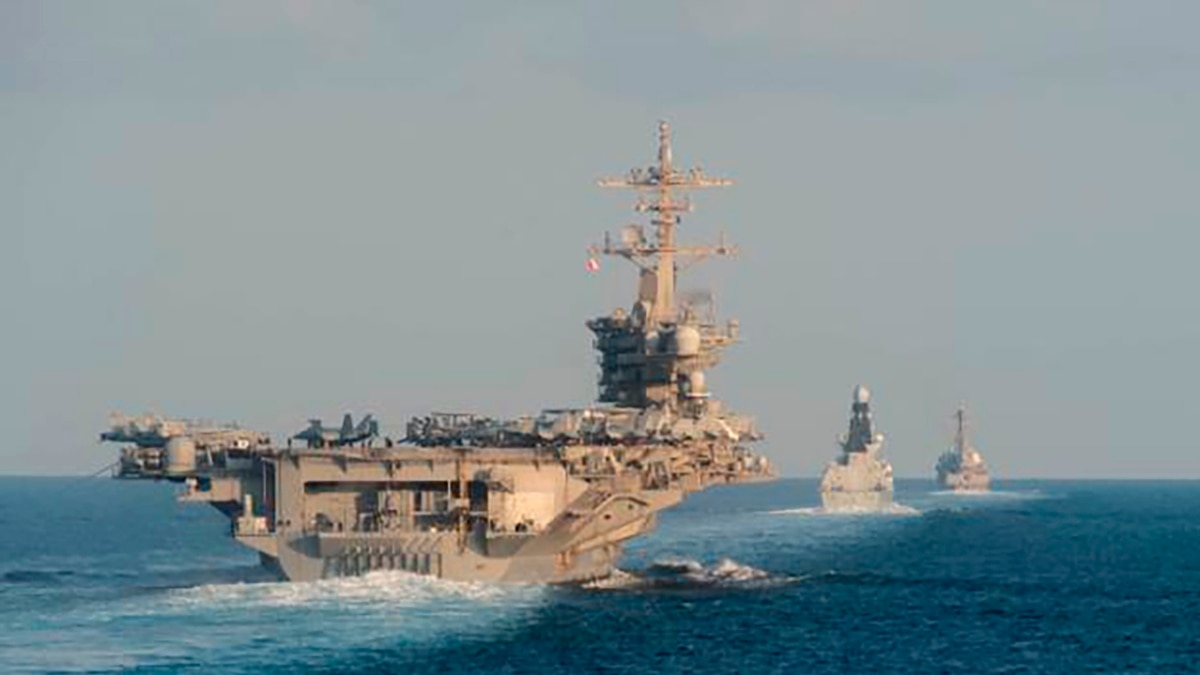
IranUS Official: Over 15 US Warships Stationed in Middle East for Hormuz Blockade
 BREAKING