

Missiles Launched from Iran and Yemen Strike Central and Southern Israel
Missiles launched from Iran and Yemen have struck central and southern Israel, marking a significant escalation in regional tensions as sirens sounded across the affected areas, including a direct hit on Petah Tikva. This incident underscores the increasingly volatile dynamics in the Middle East, where geopolitical rivalries and ongoing conflicts continue to shape the security landscape.
The missile strikes occur amid heightened hostilities in the region, with various factions vying for influence and power. Iran's support for militant groups in Yemen has long been contentious, and the recent attacks are viewed as a demonstration of the capabilities and resolve of these groups. The strikes not only threaten Israeli security but also raise concerns about the potential for broader conflict involving multiple state and non-state actors in the region.
Israel has been on high alert due to ongoing tensions with Iran and its proxies, particularly in light of previous incidents involving missile attacks and drone strikes. The Israeli government has consistently emphasized its commitment to defending its territory and citizens against any threats. The recent missile strikes are likely to prompt a reassessment of Israel's security strategies and may lead to retaliatory actions aimed at neutralizing the sources of these attacks.
The situation is further complicated by the intricate web of alliances and enmities in the Middle East. Iran's support for groups such as the Houthis in Yemen has drawn criticism from various countries, including Saudi Arabia and the United States, which view these actions as destabilizing. The strikes on Israel could provoke a strong response not only from Israel but also from other nations concerned about Iran's expanding influence in the region.
As the conflict unfolds, the implications for the Gulf states are significant. Countries in the region are closely monitoring the situation, as any escalation could have direct consequences for their own security and stability. The Gulf Cooperation Council states have been increasingly vocal about the need for a united front against Iranian aggression, and the recent missile strikes may galvanize these nations to strengthen their defense postures.
In the broader context, the missile attacks serve as a reminder of the fragile state of peace in the Middle East. The ongoing conflicts in Syria, Yemen, and other areas have created a complex environment where alliances shift rapidly, and the risk of miscalculation remains high. For Israel, the strikes represent a stark warning of the challenges it faces from adversaries emboldened by regional dynamics.
The situation remains fluid, and the potential for further escalation is palpable. As regional powers navigate this precarious landscape, the need for diplomatic efforts to de-escalate tensions becomes increasingly urgent. The missile strikes from Iran and Yemen are not just an attack on Israel; they signal the broader challenges that lie ahead for the entire region, particularly for the Gulf states that must contend with the implications of a more aggressive Iranian posture.
النسخة العربية
عاجل | دوي صفارات الإنذار في وسط وجنوب إسرائيل بعد إطلاق صواريخ من إيران واليمن
شهدت إسرائيل تصعيدًا خطيرًا في الأوضاع الأمنية بعد إطلاق صواريخ من إيران واليمن، حيث دوت صفارات الإنذار في وسط وجنوب البلاد، مما أثار حالة من الذعر والقلق بين السكان. وفقًا لوسائل الإعلام الإسرائيلية، أصاب أحد الصواريخ مدينة بتاح تكفا، القريبة من تل أبيب، مما يبرز التهديدات المستمرة التي تواجهها إسرائيل من جهات متعددة في المنطقة.
تأتي هذه التطورات في سياق التوترات الإقليمية المتزايدة بين إسرائيل وإيران، بالإضافة إلى الصراع المستمر في اليمن. تعتبر إيران خصمًا رئيسيًا في المنطقة، وتمتلك ترسانة صاروخية متقدمة، وقد أظهرت في السابق قدرتها على الوصول إلى أهداف بعيدة المدى. من جهة أخرى، يشهد اليمن صراعًا داخليًا معقدًا، حيث تدعم إيران جماعة الحوثيين، الذين يمتلكون أيضًا قدرات صاروخية متطورة.
الهجوم الصاروخي الأخير يسلط الضوء على هشاشة الوضع الأمني في المنطقة، حيث تتداخل المصالح الإقليمية والدولية في صراع مستمر. تعتمد إسرائيل على نظام دفاع صاروخي متطور يعرف باسم "القبة الحديدية"، وتواجه تحديات مستمرة في حماية أراضيها من الهجمات المتكررة. ومع ذلك، فإن نجاح هذه الأنظمة في اعتراض الصواريخ ليس مضمونًا، مما يترك مجالًا للقلق بين السكان.
Source tweet
Escalating tensions as sirens in central and southern Israel signal missile strikes from Iran and Yemen, with one hitting Petah Tikva. This development underscores the volatile regional dynamics and the ongoing conflict.
More Stories
 BREAKING
US Military Kills Two Alleged Narco-Terrorists in Pacific Strike
 Gulf
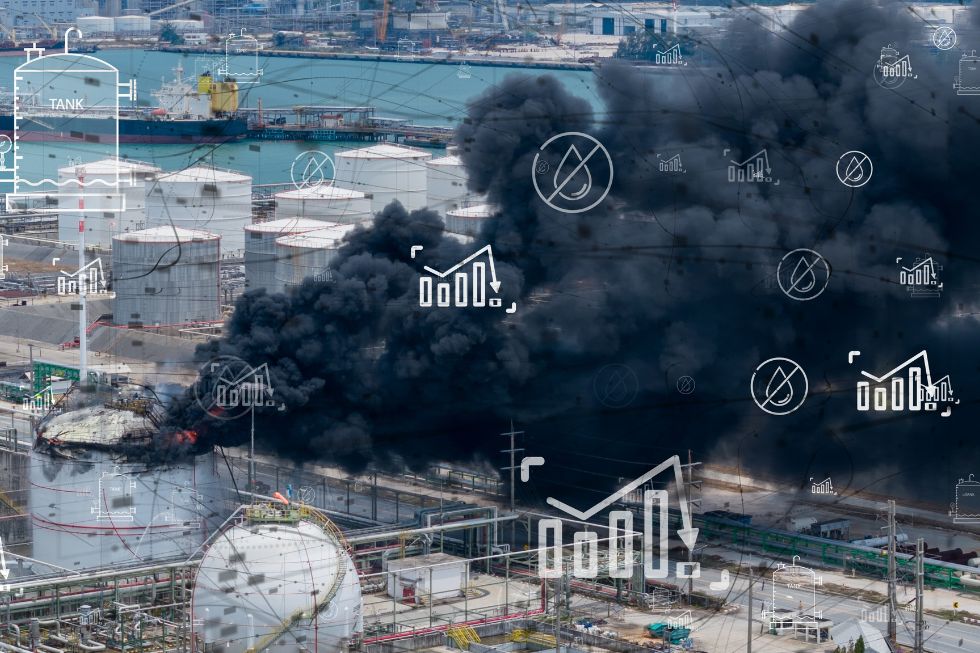
GulfHow US-Israel Iran Strikes Hurt Qatar Gas Exports & Gulf Economies 2026
 Iran
IranIsrael Officials Say They May Not Get Desired Outcome On Iran Missiles
 BREAKING
North Korea Fires Multiple Ballistic Missiles Toward East Sea
 Gulf
Gulf