
Most Strait of Hormuz Crossings Adhere to Iran-Approved Routes

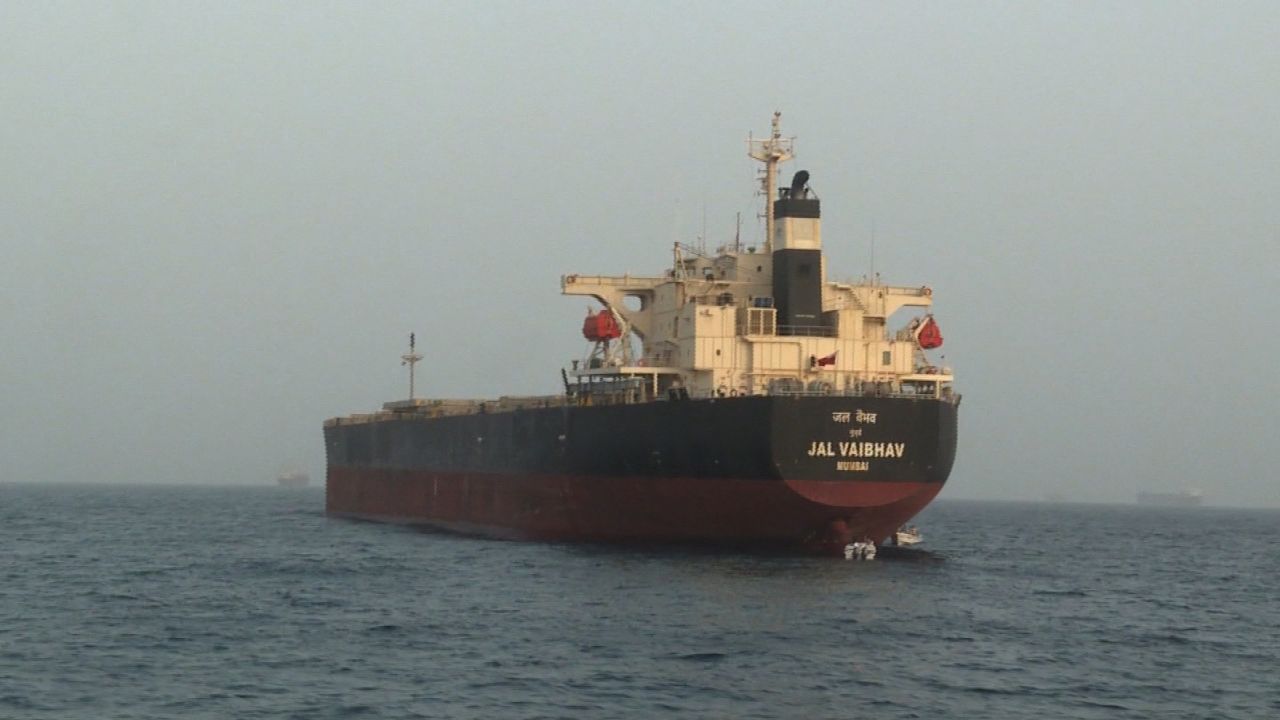
Recent updates indicate that most maritime crossings in the strategically vital Strait of Hormuz are adhering to routes approved by Iran, reflecting the complex geopolitical landscape of the region. The Strait of Hormuz, a critical chokepoint for global oil shipments, has long been a focal point of tensions between Iran and various international stakeholders, particularly the United States and its allies.
The Strait of Hormuz connects the Persian Gulf to the Gulf of Oman and is one of the world’s most important maritime passages. Approximately 20% of the world’s oil trade transits through this narrow waterway, making it significant for energy security. The Iranian government has maintained that vessels must follow designated routes to ensure safety and security in the region. Compliance with these routes by the majority of maritime traffic suggests a level of acceptance of Iran's regulatory framework in these waters.
The significance of this development is considerable. With ongoing tensions between Iran and Western nations, particularly concerning nuclear negotiations and military posturing, adherence to Iran-approved routes may indicate a shift in how maritime operations are conducted in the region. This compliance could be viewed as a strategic maneuver by shipping companies and nations to avoid potential confrontations or disruptions that could arise from non-compliance with Iranian regulations.
Moreover, the Strait of Hormuz has been a flashpoint for military encounters, with incidents involving naval forces from various countries. The Iranian military has previously warned that it would take action against vessels that do not follow its guidelines, raising concerns about the safety of maritime navigation in the area. The fact that most crossings are now following Iran's approved routes may suggest that shipping companies are prioritizing safety and operational stability over potential geopolitical tensions.
The situation in the Strait of Hormuz is further complicated by the broader context of U.S.-Iran relations. The United States has maintained a military presence in the region, conducting freedom of navigation operations to assert its commitment to keeping the strait open for international shipping. However, the Iranian response to these operations has often been aggressive, leading to a cycle of tension that affects not only regional stability but also global oil prices and supply chains.
From a Gulf perspective, adherence to Iranian-approved routes could have implications for regional trade and economic relationships. Gulf Cooperation Council (GCC) countries, heavily reliant on oil exports, may find themselves navigating a delicate balance between maintaining strong ties with Western allies and managing their relationships with Iran. As the geopolitical dynamics continue to evolve, the Gulf states will need to assess their strategies in light of Iran's influence over maritime navigation in this crucial waterway.
The trend of compliance with Iranian-approved routes in the Strait of Hormuz highlights the intricate interplay of power, safety, and economic interests in one of the world's most critical maritime corridors. As the situation develops, it will be essential for regional stakeholders to remain vigilant and adaptable to the changing geopolitical landscape.
النسخة العربية
معظم عبور مضيق هرمز تتبع طرق معتمدة من إيران
أظهرت التحديثات الأخيرة أن معظم السفن العابرة لمضيق هرمز تلتزم بالطرق التي تعتمدها إيران، مما يعكس الديناميات الجيوسياسية المستمرة في هذه المنطقة الحيوية. يُعتبر مضيق هرمز واحداً من أهم الممرات المائية في العالم، حيث يمر من خلاله حوالي خمس إمدادات النفط العالمية، مما يجعله نقطة استراتيجية حاسمة للتجارة الدولية.
تأتي هذه الأنباء في ظل توترات متزايدة بين إيران وبعض الدول الغربية، حيث تفرض إيران سيطرتها على المضيق وتراقب حركة السفن بدقة. وقد أدى ذلك إلى قلق بعض الدول من احتمالية تعطيل حركة التجارة في حال تصاعد التوترات. ومع ذلك، فإن التزام معظم السفن بالطرق المعتمدة من قبل إيران يشير إلى رغبة الشركات والدول في تجنب أي تصعيد قد يؤثر على تدفق النفط والسلع عبر هذا الممر الحيوي.
تعتبر إيران أن لها الحق في تنظيم حركة المرور في المضيق، وقد قامت في السابق باحتجاز سفن انتهكت القواعد التي تفرضها. هذا الأمر دفع العديد من الدول إلى تعزيز وجودها العسكري في المنطقة لضمان حرية الملاحة، مما زاد من تعقيد الوضع الجيوسياسي. ورغم هذه التحديات، يبدو أن هناك تفاهماً ضمنياً بين الأطراف المختلفة للحفاظ على استقرار حركة التجارة عبر المضيق.
Source tweet
Recent updates reveal that the majority of crossings in the Strait of Hormuz are following routes approved by Iran, highlighting the region's ongoing geopolitical dynamics.
More Stories
 money
moneyQatar Expat Remittances 2026: Hormuz Crisis Risks for Filipino, Indian Workers
 Iran
IranNBC Reports 12 Ships Passed Through Strait of Hormuz in 24 Hours
 Economy
Iran Hormuz Blockade 2026: Qatar LNG and Gulf Oil Exports at Risk
 Iran
IranNetherlands Joins Hormuz Freedom of Navigation Mission After Iran Crisis
 Iran
Iran