
Museveni Addresses Egypt: Nile's True Threat is Africa's Electricity Shortage

Ugandan President Yoweri Museveni has emphasized that the most significant threat to the Nile River is not rooted in colonial-era agreements but rather in the pressing electricity shortages faced by tropical Africa. Speaking during a recent address to Egyptian officials, Museveni called for a renewed focus on sustainable energy solutions to foster development across the region.
His remarks come amid ongoing tensions surrounding the Nile, particularly concerning the Grand Ethiopian Renaissance Dam (GERD), which has been a point of contention between Ethiopia, Egypt, and Sudan. Museveni's assertion shifts the narrative from historical grievances to a contemporary issue—energy access. He argued that the lack of electricity hampers economic growth and development in many African nations, which in turn affects their ability to manage and utilize the Nile’s resources effectively.
The Nile River, which flows through eleven countries, is a vital water source for millions of people. However, the region's reliance on outdated agreements from the colonial era has often led to disputes over water rights and usage. Museveni's comments highlight a critical perspective that prioritizes modern challenges over historical conflicts. He urged that the focus should be on harnessing the river's potential through sustainable energy initiatives, which could alleviate electricity shortages and promote regional cooperation.
Museveni's address underscores the broader context of Africa's energy crisis, where many countries struggle with insufficient power supply, limiting their economic potential and quality of life. The continent is rich in renewable energy resources, including solar, wind, and hydroelectric power, yet many nations have not fully tapped into these opportunities. By advocating for a shift towards sustainable energy, Museveni is addressing the immediate needs of his country while also calling for a collective effort among African nations to improve energy access.
The implications of Museveni's statements resonate beyond Uganda and Egypt, reflecting the urgent need for a collaborative approach to energy development in Africa. Countries across the continent are increasingly recognizing that energy shortages can exacerbate poverty, hinder industrial growth, and lead to social unrest. By focusing on energy solutions, African nations can work together to ensure that the Nile and its resources are managed sustainably and equitably.
In the Gulf region, where energy production and consumption are critical to economic growth, Museveni's call for sustainable energy solutions may serve as a reminder of the importance of diversifying energy sources. As Gulf states continue to invest in renewable energy projects, the lessons drawn from Africa's energy challenges could inform their strategies for sustainable development. The emphasis on cooperation and innovation in energy solutions is vital for both regions as they navigate the complexities of resource management and economic growth in the 21st century.
النسخة العربية
موسيفيني يوجه رسالة لمصر: التهديد الحقيقي لنهر النيل هو نقص الكهرباء في أفريقيا الاستوائية
أكد الرئيس الأوغندي يوري موسيفيني في تصريحاته الأخيرة أن التهديد الحقيقي لنهر النيل لا يكمن في الاتفاقيات التي تعود إلى الحقبة الاستعمارية، بل في نقص الكهرباء الذي تعاني منه العديد من دول أفريقيا الاستوائية. جاءت هذه التصريحات في سياق دعوة موسيفيني إلى التركيز على تطوير حلول الطاقة المستدامة كوسيلة لتعزيز التنمية الاقتصادية والاجتماعية في المنطقة.
تأتي تصريحات موسيفيني في وقت حساس تشهد فيه منطقة حوض النيل توترات متزايدة بسبب الخلافات حول استخدام مياه النهر، الذي يعتبر شريان الحياة لملايين الأشخاص في عدة دول. تاريخياً، كانت الاتفاقيات التي أبرمت في الحقبة الاستعمارية تمنح حقوقاً مائية غير متكافئة، مما أدى إلى نزاعات مستمرة بين دول المنبع والمصب. ومع ذلك، يشدد موسيفيني على أن التركيز على هذه الاتفاقيات القديمة يغفل عن المشكلة الحقيقية التي تواجهها المنطقة اليوم، وهي نقص الكهرباء الذي يعيق التنمية ويزيد من الفقر.
تعتبر الكهرباء عنصراً حيوياً في تحقيق التنمية المستدامة، حيث تساهم في تحسين جودة الحياة وتوفير فرص العمل وتعزيز التعليم والصحة. في أفريقيا الاستوائية، يعاني الملايين من نقص حاد في الكهرباء، مما يؤثر سلباً على جميع جوانب الحياة. وفقاً لتقارير دولية، فإن نسبة كبيرة من سكان هذه المنطقة لا يحصلون على الكهرباء بشكل منتظم، مما يعيق جهود التنمية ويزيد من التحديات الاقتصادية والاجتماعية.
Source tweet
Ugandan President Museveni tells Egypt that the biggest threat to the Nile is not colonial-era agreements, but the lack of electricity in tropical Africa. A call for a focus on sustainable energy solutions for the region's development.
More Stories
 Gulf
GulfTrump Threatens Hormuz Blockade: Qatar LNG and Gulf Oil at Risk
 BREAKING
US Aircraft Carrier Strike Group Takes Unusual Route to Arabian Sea Amid Houthi Threats
 BREAKING
U.S. Military Enforces Blockade on Iranian Ports, Iran Issues Regional Threats
 BREAKING
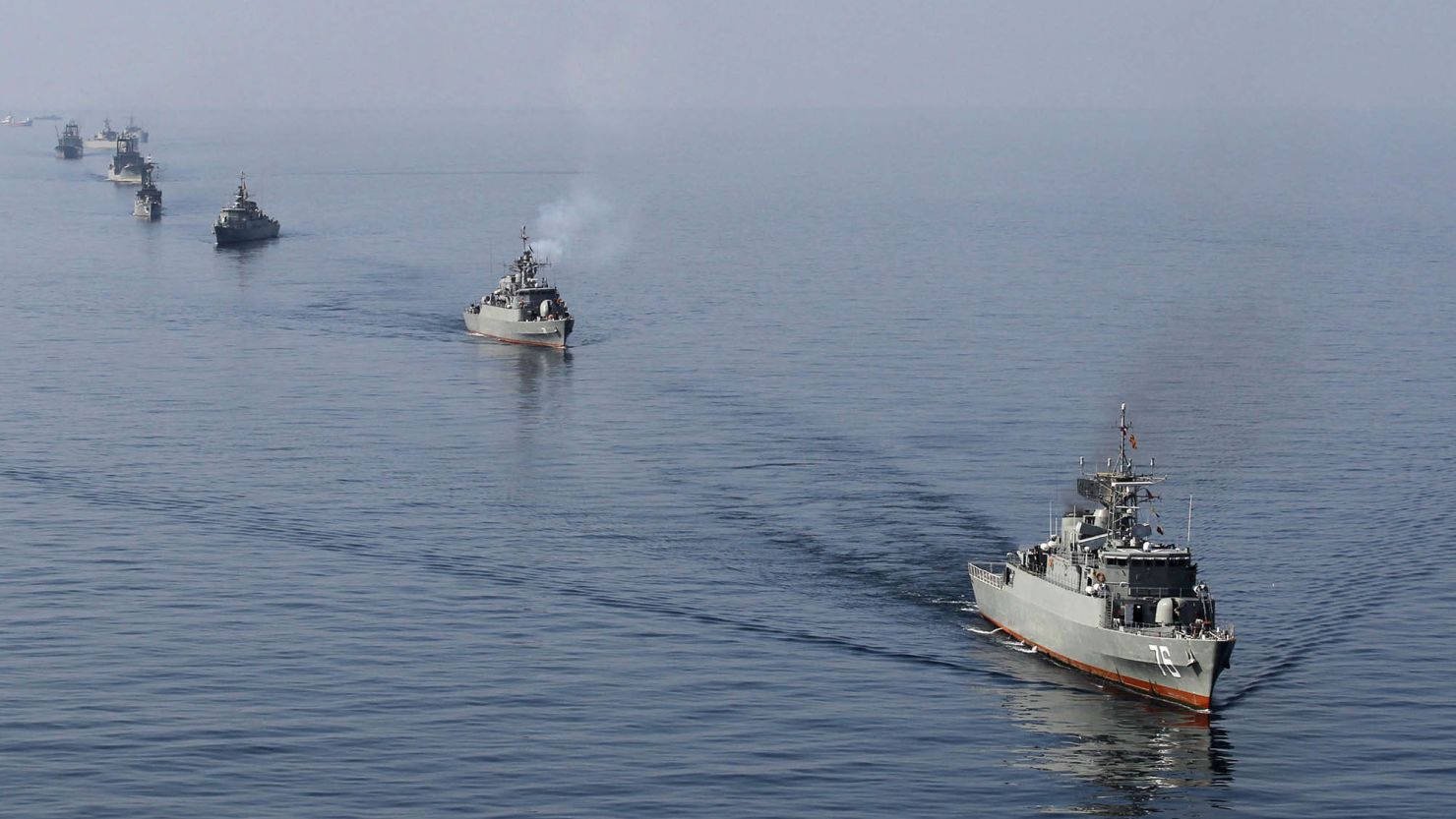
Iran Warns of Retaliation if Persian Gulf Ports Are Threatened by U.S. Blockade
 Iran
Iran