

No Change in Strait of Hormuz Until U.S. Agrees to Reasonable Deal, Source Says
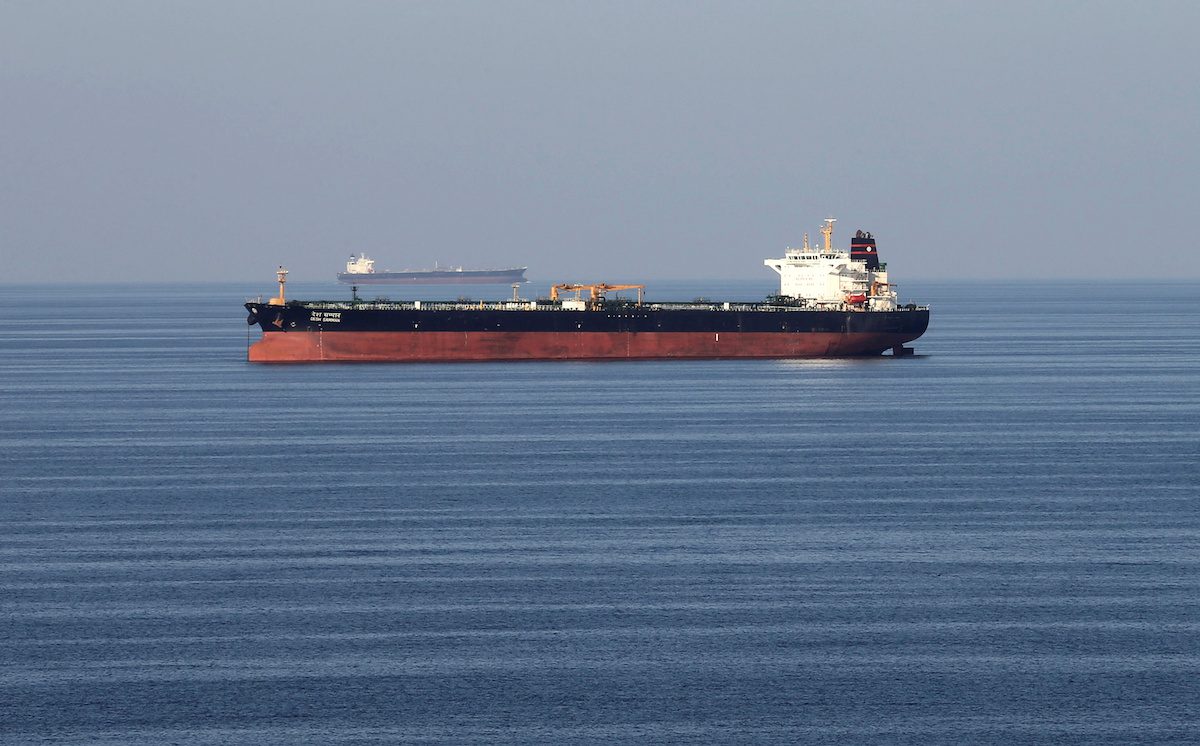
Iran will not alter its posture in the Strait of Hormuz unless Washington agrees to a deal it considers reasonable, a source familiar with the matter told Iran's Tasnim News Agency on Sunday, signaling that Tehran is prepared to sustain pressure on one of the world's most critical shipping corridors as nuclear negotiations remain unresolved.
The Strait of Hormuz, a narrow waterway between Iran and the Arabian Peninsula, serves as the transit point for roughly one-fifth of global oil supplies, including the bulk of crude exports from Saudi Arabia, the United Arab Emirates, Kuwait, Iraq, and Qatar. Any disruption to navigation in the strait carries immediate consequences for international energy markets and the broader global economy.
The statement comes as indirect talks between Iran and the United States over Tehran's nuclear program have entered a delicate phase. American officials have indicated a preference for a negotiated solution, though significant gaps remain over the scope and pace of any potential agreement, including uranium enrichment levels and the lifting of sweeping economic sanctions imposed on Iran over the past decade.
Iranian officials have repeatedly warned that the country retains both the capability and the willingness to restrict maritime traffic through the strait in response to what Tehran describes as hostile American policies. The Islamic Revolutionary Guard Corps Navy conducts regular exercises in the Persian Gulf and has in past years seized commercial vessels, escorted oil tankers, and conducted maneuvers near international shipping lanes.
For Qatar, the stakes are particularly acute. The country's liquefied natural gas export infrastructure at Ras Laffan Industrial City depends heavily on unobstructed access to international shipping routes, and Qatari officials have consistently advocated for diplomatic engagement as the only sustainable path to regional stability. Doha has long maintained open channels with Tehran while simultaneously hosting the forward headquarters of the United States Central Command at Al Udeid Air Base, a positioning that underscores Qatar's role as an indispensable mediating force in Gulf security architecture.
Gulf Cooperation Council states have watched the latest signals from Tehran with heightened concern. Energy ministers across the region have in recent weeks engaged in consultations aimed at assessing contingency scenarios should shipping disruptions materialize. Oil prices edged higher in early Asian trading following the Tasnim report, reflecting market sensitivity to any escalation in the Persian Gulf.
Diplomatic sources in the region say the coming weeks will be critical in determining whether the current round of negotiations can produce the framework agreement both sides have publicly said they seek. Absent progress, the risk that Iran may translate its rhetoric about Hormuz into operational pressure remains a live concern for Gulf capitals and energy consumers worldwide.
النسخة العربية
التوترات في مضيق هرمز مستمرة حتى توافق واشنطن على اتفاق معقول، وفقاً لمصدر مطلع لوكالة تسنيم
أفاد مصدر مطلع لوكالة تسنيم الإيرانية للأنباء بأن طهران لن تُغيّر موقفها في مضيق هرمز ما لم توافق الولايات المتحدة الأمريكية على اتفاق تراه معقولاً، في إشارة واضحة إلى أن إيران مستعدة للإبقاء على ضغطها في أحد أكثر الممرات المائية حيوية على مستوى العالم، فيما لا تزال المحادثات النووية بين الجانبين تراوح مكانها دون تسوية.
يُمثّل مضيق هرمز، الممر الضيق الفاصل بين إيران وشبه الجزيرة العربية، نقطة العبور لنحو خُمس الإمدادات النفطية العالمية، بما فيها الجزء الأكبر من صادرات الخام القادمة من المملكة العربية السعودية والإمارات العربية المتحدة والكويت والعراق وقطر. وأي اضطراب في الملاحة عبر هذا المضيق ينعكس فوراً على أسواق الطاقة الدولية والاقتصاد العالمي برمّته.
جاء هذا التصريح في خضمّ مرحلة بالغة الحساسية تشهدها المحادثات غير المباشرة بين طهران وواشنطن حول البرنامج النووي الإيراني. وأبدى المسؤولون الأمريكيون تفضيلهم للحل التفاوضي، غير أن فجوات جوهرية لا تزال قائمة بين الطرفين حول نطاق أي اتفاق محتمل ووتيرته، ولا سيما ما يتعلق بمستويات تخصيب اليورانيوم ورفع العقوبات الاقتصادية الشاملة المفروضة على إيران على مدى العقد الماضي.
Source tweet
🚨 Tensions rise as Tasnim reports no changes expected in the Strait of Hormuz without a reasonable agreement from Washington. Strategic dialogue is key to stability in this vital region.
More Stories
 money
moneyQatar Expat Remittances 2026: Hormuz Crisis Risks for Filipino, Indian Workers
 Iran
IranNBC Reports 12 Ships Passed Through Strait of Hormuz in 24 Hours
 Economy
Iran Hormuz Blockade 2026: Qatar LNG and Gulf Oil Exports at Risk
 Iran
IranNetherlands Joins Hormuz Freedom of Navigation Mission After Iran Crisis
 Iran
Iran