

No Oil or Gas Tankers Passed Through Strait of Hormuz During Temporary Ceasefire

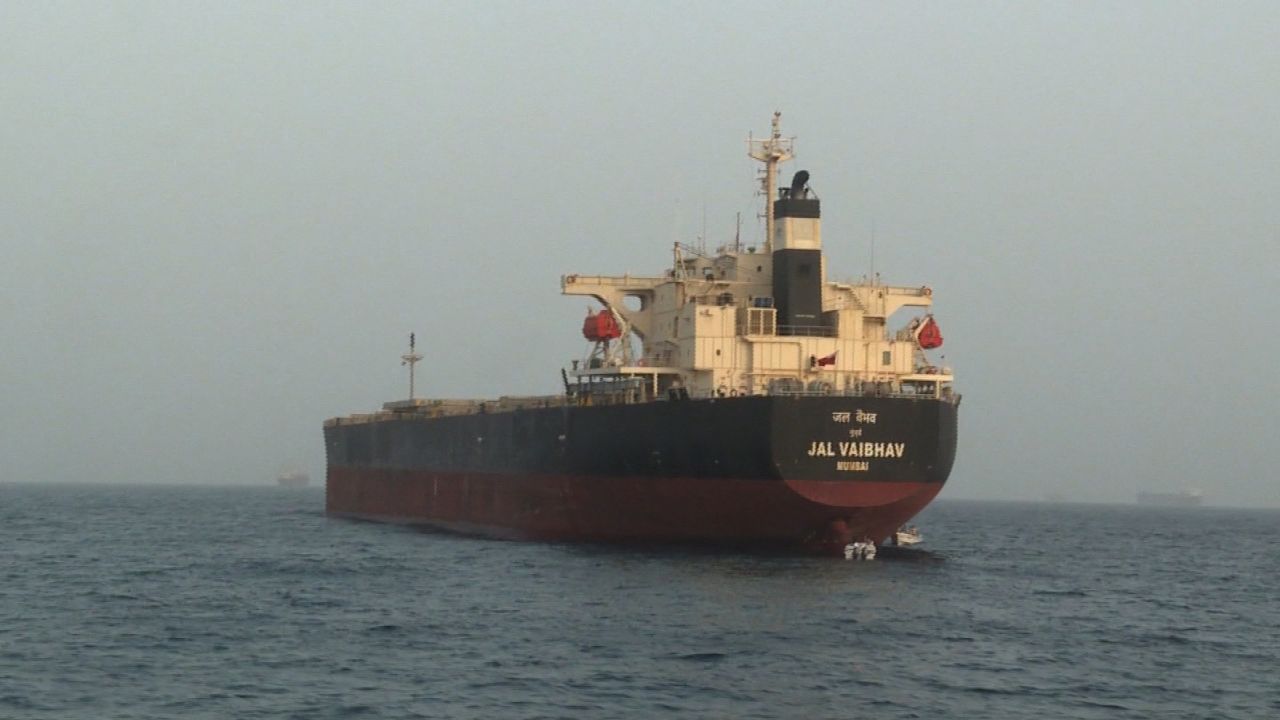
Iranian authorities have fully closed the Strait of Hormuz to oil and gas tanker traffic since the start of a temporary ceasefire between Tehran and Washington, marking one of the most significant disruptions to global energy shipments in decades. Only four vessels carrying dry cargo have been permitted to transit the narrow waterway, while several oil tankers were forced to turn back after being denied passage.
The closure, which Iranian officials described as a precautionary security measure during the fragile ceasefire period, has sent shockwaves through global energy markets. The Strait of Hormuz, a 33-kilometer-wide chokepoint between Iran and Oman, handles roughly one-fifth of the world's daily oil consumption and approximately one-quarter of global liquefied natural gas trade.
Shipping tracking data confirmed that no petroleum or LNG carriers have transited the strait since the ceasefire took effect, with vessels either holding position in the Gulf of Oman or diverting to alternative routes. The handful of dry cargo ships that were allowed through underwent enhanced inspections by Iranian naval forces before being cleared for passage.
For Qatar, the world's largest exporter of liquefied natural gas, the closure carries immediate and serious implications. Qatari LNG carriers departing Ras Laffan, the country's massive export terminal, must pass through the Strait of Hormuz to reach markets in Asia and Europe. Any prolonged disruption threatens to delay shipments worth hundreds of millions of dollars and could force buyers to seek emergency supplies from alternative sources.
Gulf states have long warned that any militarization of the strait would have catastrophic consequences for the global economy. Qatar has consistently advocated for diplomatic solutions to tensions in the region and has played a mediating role in previous rounds of negotiations between Washington and Tehran.
Energy analysts noted that even a short-term closure could trigger a spike in global oil and gas prices, with Brent crude futures already climbing in early Asian trading. The International Energy Agency has previously estimated that a full blockade of Hormuz could remove nearly 17 million barrels per day of oil from global markets.
Diplomatic sources said that the issue of maritime transit through the strait is expected to feature prominently in any further ceasefire negotiations. Several Gulf Cooperation Council member states have reportedly communicated to both American and Iranian counterparts that freedom of navigation in the strait must be restored immediately regardless of the broader military standoff.
Qatar's Foreign Ministry has not yet issued a formal statement on the closure, but Doha is understood to be engaged in intensive diplomatic contacts aimed at ensuring the safe resumption of commercial shipping through the vital waterway. Regional observers expect the GCC to convene an emergency session if the blockade extends beyond the initial ceasefire window.
النسخة العربية
عاجل | تنگه هرمز يشهد توقف حركة سفن النفط والغاز منذ بدء الهدنة المؤقتة بين أمريكا وإيران
أعلنت السلطات الإيرانية إغلاق مضيق هرمز بالكامل أمام حركة ناقلات النفط والغاز منذ بدء سريان الهدنة المؤقتة بين طهران وواشنطن، في خطوة تمثل واحدة من أخطر الاضطرابات التي تشهدها حركة الطاقة العالمية منذ عقود. ولم يُسمح سوى لأربع سفن محملة بالبضائع الجافة بالعبور عبر الممر المائي الضيق، فيما اضطرت عدة ناقلات نفط إلى العودة أدراجها بعد رفض السماح لها بالمرور.
ووصفت الجهات الإيرانية المختصة هذا الإغلاق بأنه إجراء أمني احترازي خلال فترة الهدنة الهشة، إلا أن القرار أحدث موجة من القلق في أسواق الطاقة العالمية. ويُعد مضيق هرمز، الذي يبلغ عرضه نحو ثلاثة وثلاثين كيلومتراً بين إيران وسلطنة عُمان، شرياناً حيوياً يمر عبره نحو خُمس الاستهلاك العالمي اليومي من النفط وربع تجارة الغاز الطبيعي المسال في العالم.
وأكدت بيانات تتبع حركة الملاحة البحرية عدم عبور أي ناقلة نفط أو غاز طبيعي مسال عبر المضيق منذ دخول وقف إطلاق النار حيز التنفيذ، حيث توقفت السفن في خليج عُمان أو غيّرت مساراتها نحو طرق بديلة. أما السفن القليلة التي حملت بضائع جافة فقد خضعت لعمليات تفتيش مشددة من القوات البحرية الإيرانية قبل السماح لها بالمرور.
Source tweet
🚨 عاجل | تنگه هرمز يشهد توقف حركة سفن النفط والغاز منذ بدء الهدنة المؤقتة بين أمريكا وإيران السلطات الإيرانية تعلن إغلاق التنگه بشكل كامل، مما أدى إلى عودة بعض ناقلات النفط. أربعة سفن فقط تمكنت من العبور محملة بالبضائع الجافة. #تنگه_هرمز #إيران #أمريكا
More Stories
 money
moneyQatar Expat Remittances 2026: Hormuz Crisis Risks for Filipino, Indian Workers
 Iran
IranNBC Reports 12 Ships Passed Through Strait of Hormuz in 24 Hours
 Economy
Iran Hormuz Blockade 2026: Qatar LNG and Gulf Oil Exports at Risk
 Iran
IranNetherlands Joins Hormuz Freedom of Navigation Mission After Iran Crisis
 Iran
Iran