

Qatar Airways vs Emirates: Who Recovers Faster from the Iran War?
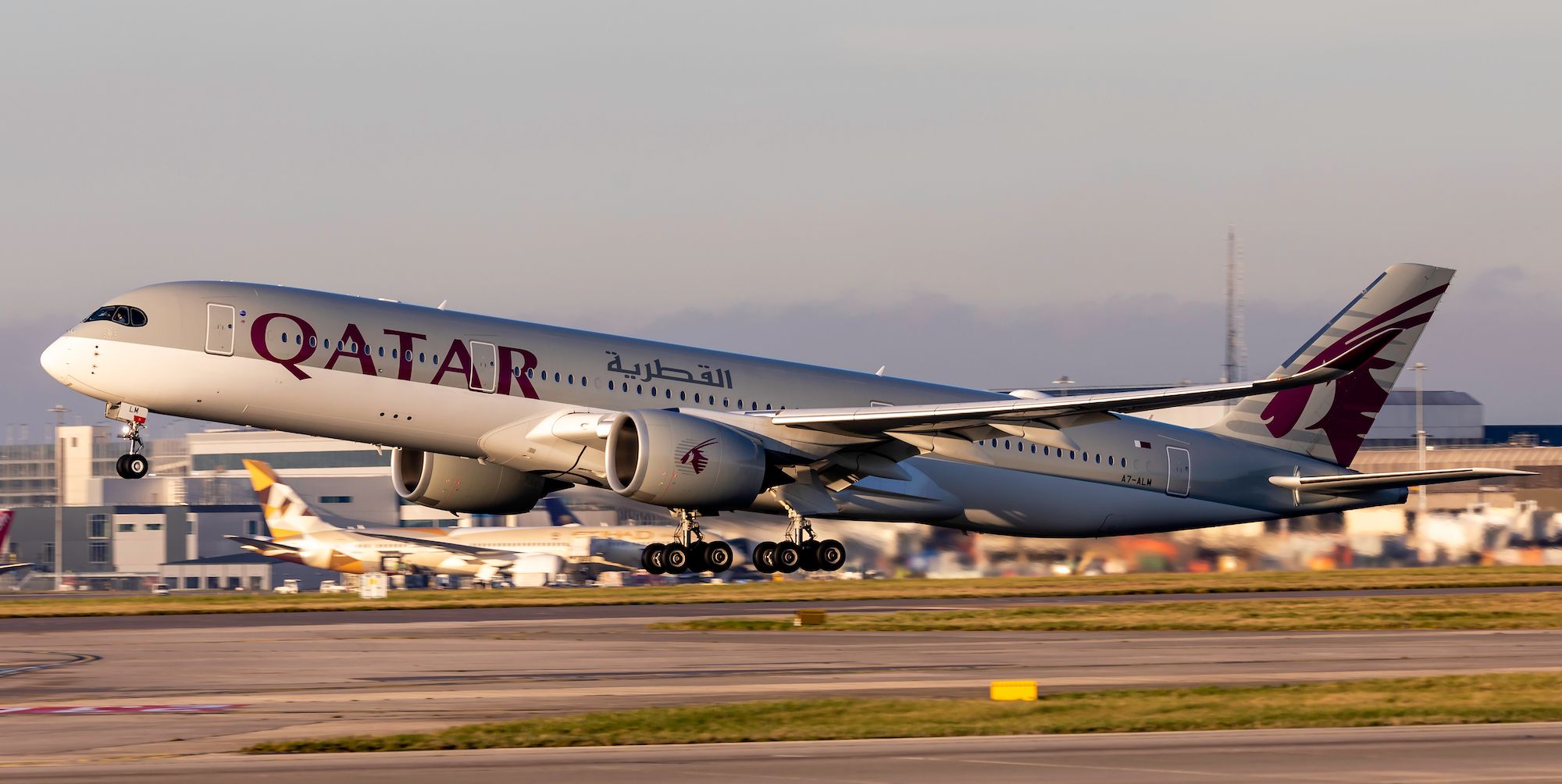
As the conflict in Iran continues to unfold, Qatar Airways is operating at just 22% of its capacity, while Emirates Airlines has rebounded to 74% capacity four weeks into the war, highlighting the contrasting recovery trajectories of the two major Gulf carriers.
The ongoing war in Iran has created significant challenges for airlines operating in the region, with air travel demand fluctuating due to safety concerns and geopolitical tensions. Qatar Airways, with its hub in Doha, has faced unique obstacles, including airspace restrictions and a reduced number of international flights. In contrast, Emirates, based in Dubai, has benefitted from a more diversified route network and robust infrastructure that allows for greater operational flexibility. This disparity in recovery rates underscores the importance of geographical positioning and hub redundancy in the aviation industry.
Qatar Airways has had to navigate a complex landscape, having previously faced similar challenges during the Gulf blockade that began in 2017. The airline demonstrated resilience by rebuilding its operations from scratch, adapting to the changing dynamics of the aviation market. However, the current situation presents a different set of hurdles, as the ongoing conflict in Iran has led to increased caution among travelers and airlines alike. The airline's lower capacity utilization reflects these challenges, as it seeks to balance safety concerns with the need to maintain operational viability.
Emirates, on the other hand, has capitalized on its strategic location and extensive network to recover more quickly. The airline's ability to operate at a higher capacity is indicative of its strong brand presence and customer loyalty, which have remained intact despite regional turmoil. Emirates has also been proactive in adjusting its flight schedules and routes to accommodate shifting demand, allowing it to maintain a competitive edge in the market.
The contrasting recovery rates of Qatar Airways and Emirates Airlines raise questions about the long-term implications of the Iran conflict on the Gulf aviation landscape. As tensions persist, airlines in the region must remain agile and responsive to changing circumstances. The ability to adapt to geopolitical shifts will be crucial for maintaining operational stability and ensuring passenger safety.
From a broader perspective, the situation highlights the interconnectedness of the Gulf aviation market and the potential ripple effects of regional conflicts on airline operations. Qatar and the UAE have both invested heavily in their aviation sectors, recognizing the importance of air travel to their economies. As the conflict in Iran continues, the resilience of these airlines will be tested, and their responses will shape the future of air travel in the region.
The contrasting recovery trajectories of Qatar Airways and Emirates Airlines amid the Iran war illustrate the complexities of the aviation industry in a volatile geopolitical environment. While Emirates has managed to recover more swiftly, Qatar Airways' experience in overcoming past challenges may serve as a valuable asset as it navigates the current crisis. The ongoing developments in Iran will undoubtedly continue to influence the operational strategies of both airlines, with significant implications for the Gulf aviation market as a whole.
النسخة العربية
القطرية مقابل الإمارات: من يتعافى أسرع من حرب إيران؟
تواجه شركات الطيران في منطقة الخليج تحديات كبيرة في ظل التوترات الجيوسياسية الأخيرة، حيث أظهرت البيانات أن الخطوط الجوية القطرية تعمل بنسبة 22% فقط من طاقتها التشغيلية المعتادة، مقارنةً بنسبة 74% لطيران الإمارات، وذلك بعد مرور أربعة أسابيع على اندلاع الحرب في إيران. تعكس هذه الأرقام تأثير الصراع على حركة الطيران في المنطقة، وتبرز التحديات التي تواجهها شركات الطيران في التكيف مع الأوضاع المتغيرة.
تتمتع طيران الإمارات بميزة جغرافية وبنية تحتية قوية، مما ساعدها في الحفاظ على نسبة تشغيلية أعلى مقارنة بالخطوط الجوية القطرية. ومع ذلك، فإن قطر ليست غريبة على التحديات الإقليمية، حيث سبق لها أن واجهت حصاراً جوياً في عام 2017، وأظهرت قدرة على التكيف والتغلب على الصعوبات. يمنح هذا السياق التاريخي الخطوط الجوية القطرية خبرة في التعامل مع الأزمات، وقدرة على إعادة ترتيب عملياتها بسرعة.
تعكس القدرة التشغيلية المنخفضة للخطوط الجوية القطرية تأثير التوترات على مسارات الطيران والقيود المفروضة على المجال الجوي. ومع ذلك، تعمل الشركة على استراتيجيات للتكيف مع الوضع الحالي، بما في ذلك إعادة توجيه الرحلات وزيادة الكفاءة التشغيلية. من ناحية أخرى، تستفيد طيران الإمارات من موقعها الجغرافي في دبي، الذي يتيح لها مرونة أكبر في تعديل مسارات الرحلات وتجنب المناطق المتأثرة بالصراع.
Source tweet
✈️ Qatar Airways at 22% capacity vs Emirates at 74% — four weeks into the Iran war Geography and hub redundancy decided this race, but Qatar has rebuilt from zero before
More Stories
 housing
Rent Hikes in Qatar
 Gulf
GulfQatarEnergy Ships First Golden Pass LNG Cargo: Texas Gas Hits Europe 2026
 Gulf
GulfHow US-Israel Iran Strikes Hurt Qatar Gas Exports & Gulf Economies 2026
 flights
Qatar Flights Resume
 money
money