Qatar Arrests 313 Foreigners for Filming Evacuation Videos, Accused of Spreading Misinformation

Qatar has arrested 313 foreigners for allegedly filming and disseminating videos during recent Iranian missile strikes and subsequent evacuations, a move that has sparked significant criticism regarding the suppression of press freedom and the right to document critical events.
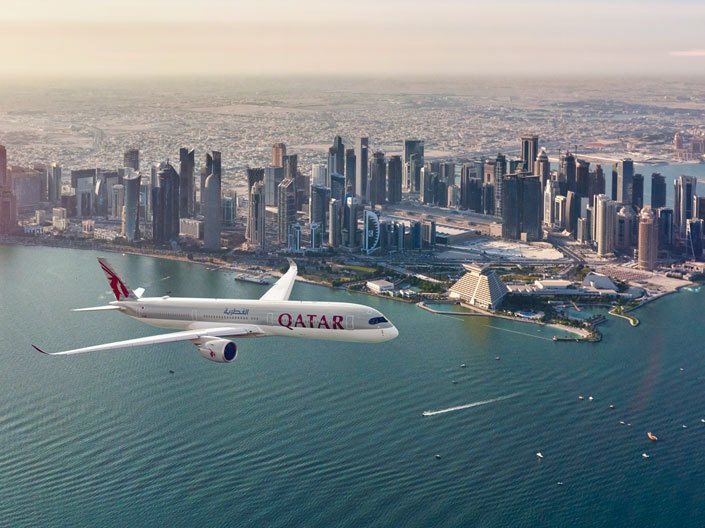
The arrests were announced on March 9, 2026, amid heightened tensions following missile strikes from Iran that prompted emergency evacuation alerts in several areas of Doha, including the Musheireb district and the al-Gharafa area near the US Embassy. Residents and hotel guests received urgent notifications via the National Alert System, instructing them to seek shelter in underground car parks. In a coordinated response, Education City evacuated 282 students in the early hours of the morning. While the government's actions were framed as necessary to maintain order during a crisis, critics argue that they represent a broader attempt to stifle independent reporting and citizen journalism.
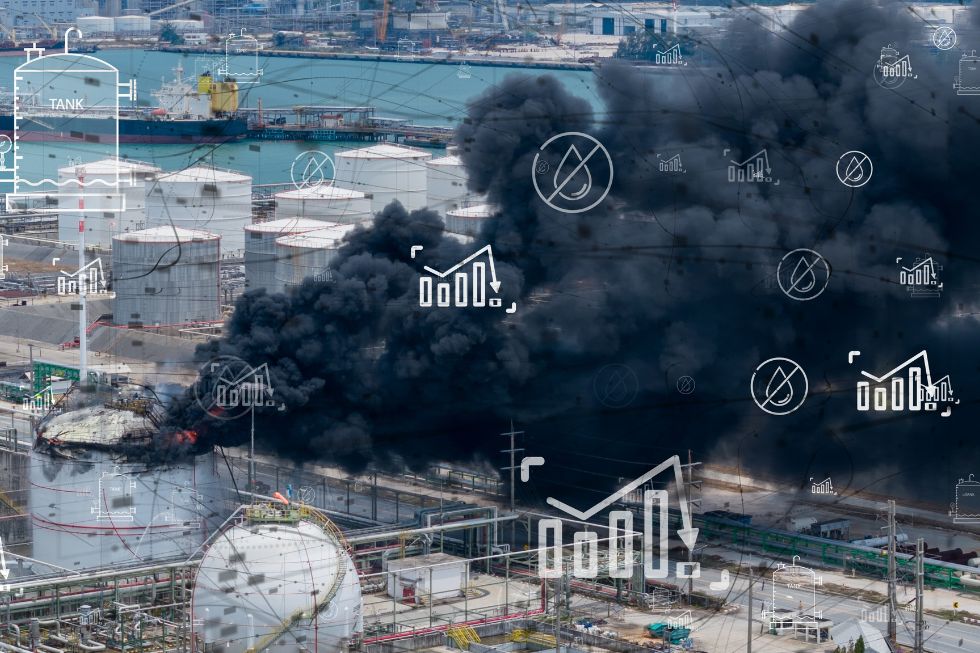
Authorities sought to suppress footage that reportedly captured the chaos of the evacuations, the interception of missiles over Doha's skyline, and damage to critical infrastructure, including the Ras Laffan LNG facility. Major news outlets such as CNN, CBS, and Al Jazeera have been able to broadcast professional footage of the events, but the crackdown on citizen journalists raises concerns about the limits placed on freedom of expression and the public's ability to document significant occurrences in real-time.
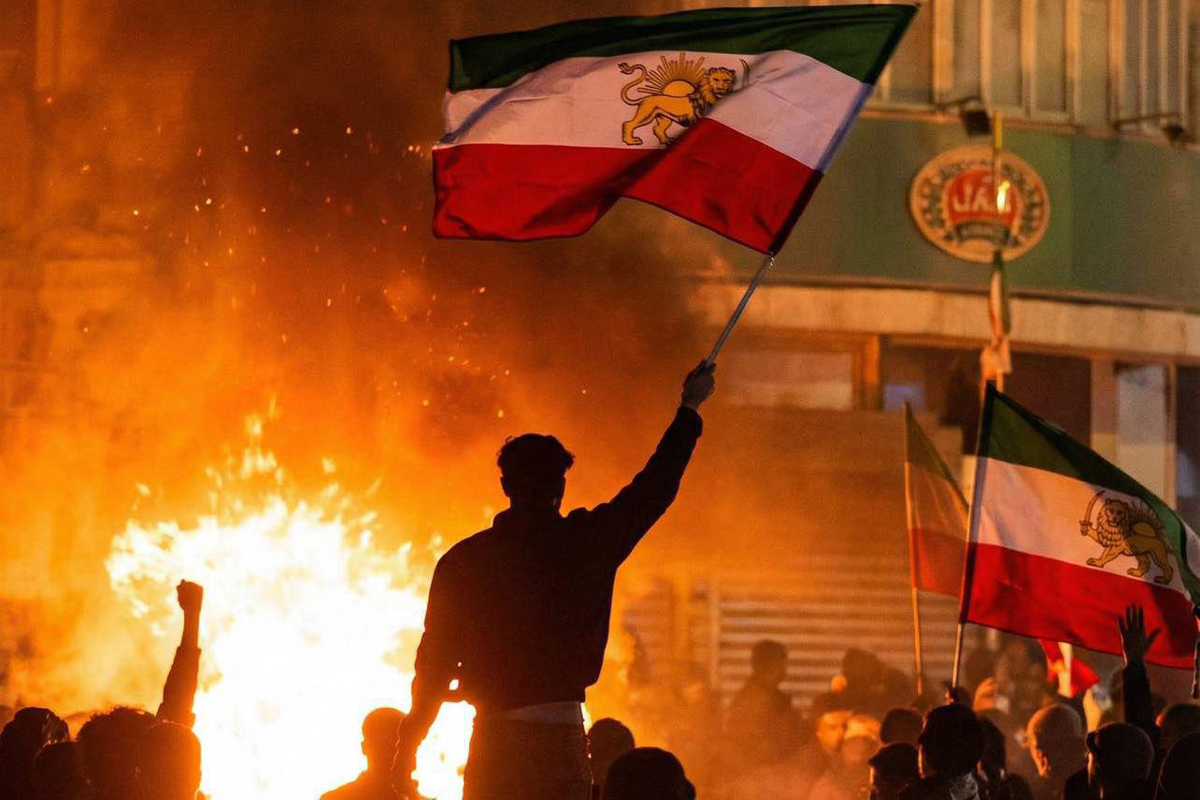
These arrests occur against a backdrop of escalating tensions in the region, particularly following the outbreak of hostilities in the ongoing conflict involving Iran. The Iranian strikes on Qatar, which began on February 28, 2026, have led to significant disruptions, including airspace closures and heightened security measures. Qatar's government has faced scrutiny for its handling of the situation, with critics alleging that the arrests are part of a broader pattern of suppressing dissent and controlling the narrative surrounding the conflict.
International reactions to the arrests have been mixed, with some human rights organizations condemning the crackdown as a violation of fundamental rights. The situation has drawn attention from local activists and global observers who are concerned about the implications for press freedom in the Gulf region. The ability of journalists and citizens to report on crises is critical for transparency and accountability, especially in times of conflict.
From a Gulf perspective, the events in Qatar highlight the delicate balance that governments must maintain between national security and civil liberties. As tensions continue to rise in the region, the implications of such arrests may resonate beyond Qatar, influencing how other Gulf states approach issues of freedom of expression and the role of media in times of crisis. The ongoing situation serves as a reminder of the challenges faced by nations in navigating the complexities of governance, security, and the rights of individuals to document and share their experiences during turbulent times.
النسخة العربية
قطر تعتقل 313 أجنبياً بتهمة تصوير فيديوهات الإخلاء ونشر معلومات مضللة
أعلنت السلطات القطرية في 9 مارس 2026 عن اعتقال 313 أجنبياً بتهمة تصوير ونشر فيديوهات تتعلق بعمليات الإخلاء ونشر معلومات مضللة خلال الهجمات الصاروخية الإيرانية، مما أثار انتقادات واسعة لقمع حرية التوثيق.
تأتي هذه الاعتقالات في ظل توترات متزايدة بين قطر وإيران، حيث تعرضت مناطق في الدوحة مثل مشيرب والغرافة، القريبة من السفارة الأمريكية، لهجمات صاروخية إيرانية. تلقى السكان تنبيهات طارئة عبر الهاتف تطلب منهم الإخلاء الفوري، وتم نقلهم إلى مواقف السيارات تحت الأرض لضمان سلامتهم. كما شهدت المدينة التعليمية إخلاء 282 طالباً في الساعة الثانية صباحاً، مما يعكس حجم الأزمة التي واجهتها البلاد.
استخدمت وزارة الداخلية القطرية نظام الإنذار الوطني لإرسال الإشعارات، في خطوة تهدف إلى تنظيم عمليات الإخلاء وضمان سلامة السكان. ومع ذلك، أثارت الاعتقالات التي طالت الأجانب انتقادات من قبل منظمات حقوقية وصحفيين، حيث اعتبروا أن هذه الإجراءات تعيق حرية الصحافة وحق الأفراد في توثيق الأحداث خلال الأزمات.