

Qatar Warns Ras Laffan LNG Facility Damage Could Take Five Years to Repair With Estimated $20 Billion Annual Losses
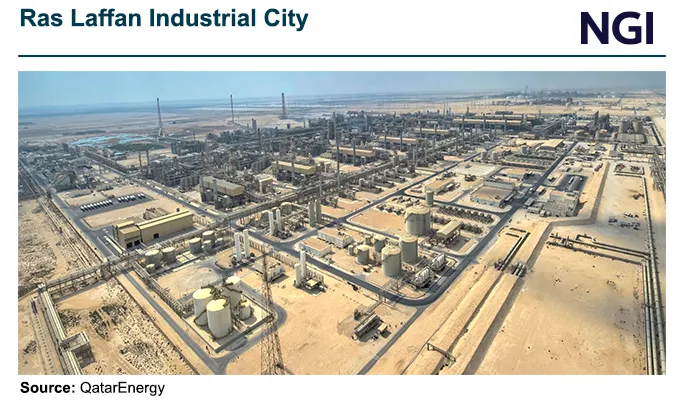
Qatar has issued a warning that damage to its Ras Laffan LNG facility, caused by a recent attack, could take up to five years to repair, resulting in estimated annual losses of $20 billion and significant disruption to global energy markets. The incident, attributed to Iranian forces, has already led to a 17% drop in Qatar's liquefied natural gas (LNG) exports, raising concerns about the stability of energy supplies worldwide.
The Ras Laffan facility is a critical component of Qatar's energy infrastructure, supplying approximately one-fifth of the world's natural gas. This facility is vital for Qatar's economy and plays a crucial role in meeting global energy demands. The recent attack has sent shockwaves through the energy sector, particularly as Brent crude prices have surged to $116.38 per barrel, reflecting heightened tensions in the region and the potential for further disruptions.
The implications of the damage extend beyond Qatar's borders, as the country is a key player in the global energy market. The loss of LNG exports from Ras Laffan could exacerbate existing supply shortages and drive up prices, affecting countries that rely heavily on Qatari gas. Analysts warn that the combination of reduced exports and rising crude prices could lead to a ripple effect, impacting economies worldwide, particularly in Europe and Asia, where demand for natural gas remains high.
Repairing the facility is expected to be a lengthy and costly process. Experts estimate that it could take between three to five years to fully restore operations, during which time Qatar may struggle to meet its export commitments. This situation poses a significant challenge for the Qatari government, which has invested heavily in its LNG infrastructure to solidify its position as a leading energy supplier. The financial ramifications of the attack could strain Qatar's economy, which is heavily reliant on energy revenues.
In the Gulf region, the attack has heightened security concerns and prompted discussions about the need for enhanced protection of critical energy infrastructure. Countries in the region are now reassessing their security protocols to safeguard against potential threats that could disrupt energy supplies. The geopolitical landscape is becoming increasingly complex, with tensions between Iran and its neighbors raising the stakes for energy security.
As Qatar navigates this crisis, the long-term effects on its energy sector and the broader Gulf economy remain to be seen. The nation has historically demonstrated resilience in the face of adversity, and its ability to recover from this incident will be closely monitored by global markets. The situation underscores the interconnectedness of energy supply chains and the vulnerabilities that can arise from geopolitical conflicts, highlighting the need for strategic planning and international cooperation in energy security.
النسخة العربية
قطر: إصلاح منشأة الغاز في راس لفان يستغرق 3-5 سنوات وخسائر سنوية 20 مليار دولار
أعلنت قطر أن الأضرار التي لحقت بمنشأة الغاز الطبيعي المسال في راس لفان قد تستغرق ما بين ثلاث إلى خمس سنوات للإصلاح، مع تقديرات بخسائر سنوية تصل إلى 20 مليار دولار. يأتي هذا الإعلان بعد تعرض المنشأة لضربة من قبل إيران، مما أدى إلى انخفاض صادرات الغاز بنسبة 17%.
تعتبر منشأة راس لفان من أكبر منشآت الغاز الطبيعي المسال في العالم، حيث تسهم قطر في تزويد العالم بخمس احتياجاته من الغاز. وبالتالي، فإن الأضرار التي لحقت بهذه المنشأة لها تداعيات كبيرة على الأسواق العالمية للطاقة. وقد أدى الهجوم إلى اضطراب في أسواق الطاقة العالمية، حيث ارتفع سعر خام برنت إلى 116.38 دولار للبرميل.
تعد قطر واحدة من أكبر منتجي الغاز الطبيعي المسال في العالم، وتلعب دورًا حيويًا في تأمين إمدادات الطاقة العالمية. لذا فإن أي اضطراب في إنتاجها يؤثر بشكل مباشر على توازن العرض والطلب في الأسواق العالمية. وقد أثار هذا الهجوم مخاوف بشأن استقرار الإمدادات في المستقبل، خاصة في ظل التوترات الجيوسياسية المتزايدة في المنطقة.
More Stories
 Gulf
GulfQatar Airways Resumes Doha-Dubai Flights April 2026: Full UAE Schedule
 housing
Rent Hikes in Qatar
 Gulf
GulfQatarEnergy Ships First Golden Pass LNG Cargo: Texas Gas Hits Europe 2026
 Gulf
GulfHow US-Israel Iran Strikes Hurt Qatar Gas Exports & Gulf Economies 2026
 flights