
Russia, China, and France Block UN Plan for Force in Strait of Hormuz
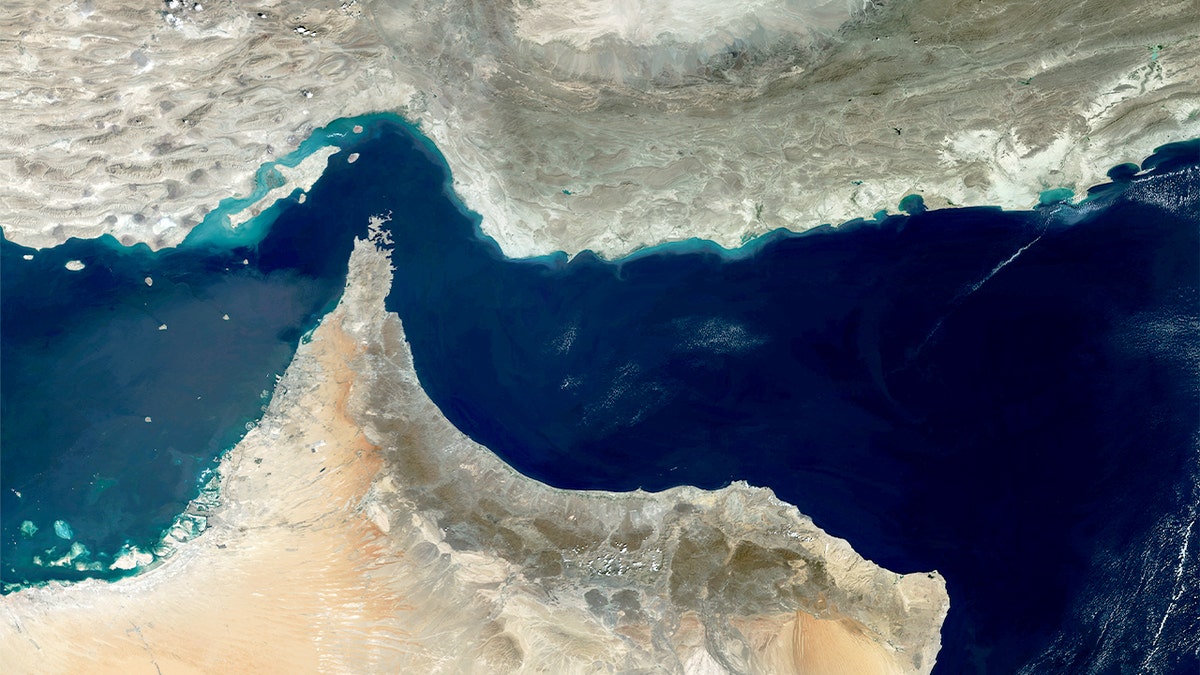
Russia, China, and France have successfully blocked a United Nations proposal aimed at authorizing a multinational force to secure the Strait of Hormuz, a strategic waterway through which a significant portion of the world's oil supply is transported. This decision comes as Gulf Arab states advocate for enhanced security measures in the region amid rising tensions and threats to maritime safety.
The Strait of Hormuz is a critical chokepoint for global oil shipments, with approximately 20% of the world's oil passing through this narrow passage. The recent push for a UN-backed military presence in the area was primarily driven by concerns over escalating incidents involving oil tankers and regional security threats. Gulf nations, particularly those in the Gulf Cooperation Council, have expressed alarm over the potential for conflict and have called for stronger international action to ensure the safety of shipping routes.
Despite the urgency of the situation, the proposal faced significant opposition due to its broad language regarding the "use of force." Russia and China, both permanent members of the UN Security Council, have consistently advocated for diplomatic solutions to regional conflicts and expressed reservations about any military escalation. France, while a key ally of the Gulf states, also raised concerns about the implications of authorizing force, emphasizing the need for a balanced approach that prioritizes dialogue over military intervention.
The failure to secure UN authorization for a multinational force highlights the complexities of international diplomacy in the Gulf region. While Gulf Arab states are eager to bolster security in response to perceived threats, the divergent views among major powers complicate efforts to establish a unified response. The opposition from Russia, China, and France reflects broader geopolitical dynamics, including their strategic interests in maintaining stability and avoiding direct military involvement in the region.
The implications of this decision are significant for Gulf nations, which rely heavily on the Strait of Hormuz for their economies. The absence of a UN-sanctioned force may embolden hostile actors in the region and increase the risk of maritime incidents, further destabilizing an already volatile environment. Gulf states may need to explore alternative security arrangements or enhance their own naval capabilities to protect their interests in the face of these challenges.
As tensions in the Gulf persist, the need for a comprehensive security strategy becomes increasingly apparent. Gulf Arab states are likely to continue advocating for international support while also considering independent measures to safeguard their maritime routes. The outcome of this situation will be closely watched, as it could have far-reaching consequences for global energy markets and regional stability. The Gulf's strategic importance, particularly in energy supply, underscores the necessity for a coordinated approach to security that balances the interests of regional stakeholders with the broader international community.
النسخة العربية
عاجل | روسيا والصين وفرنسا تعرقل خطة للأمم المتحدة بشأن استخدام القوة في مضيق هرمز
في خطوة تعكس التوترات المتزايدة في منطقة الخليج، قامت روسيا والصين وفرنسا بعرقلة خطة للأمم المتحدة تهدف إلى استخدام القوة في مضيق هرمز، مما يعقد الجهود الدولية لضمان الأمن في هذا الممر المائي الحيوي. تأتي هذه المعارضة في وقت تسعى فيه الدول الخليجية إلى اتخاذ إجراءات أقوى لحماية مصالحها الاقتصادية والأمنية في المنطقة.
يعتبر مضيق هرمز من أهم الممرات البحرية في العالم، حيث يمر من خلاله نحو 20% من إمدادات النفط العالمية. وقد شهدت المنطقة توترات متزايدة في السنوات الأخيرة، مما دفع الدول الخليجية إلى البحث عن حلول دولية لضمان أمن الملاحة. ومع ذلك، فإن معارضة روسيا والصين وفرنسا لاستخدام القوة بشكل واسع تعكس تبايناً في الرؤى حول كيفية التعامل مع التهديدات المحتملة في المنطقة. هذه الدول الثلاث ترى أن استخدام القوة قد يؤدي إلى تصعيد غير مرغوب فيه، ويفضلون بدلاً من ذلك الحلول الدبلوماسية والتفاوضية.
من الناحية الاستراتيجية، تعتبر روسيا والصين وفرنسا من القوى العالمية التي لها مصالحها الخاصة في المنطقة. تسعى روسيا إلى تعزيز نفوذها في الشرق الأوسط، بينما تعتبر الصين مضيق هرمز جزءاً مهماً من مبادرة الحزام والطريق التي تهدف إلى تعزيز التجارة العالمية. أما فرنسا، فهي تسعى إلى الحفاظ على استقرار المنطقة من خلال الحلول الدبلوماسية. هذه المصالح المتباينة تجعل من الصعب التوصل إلى توافق دولي حول كيفية التعامل مع التحديات الأمنية في مضيق هرمز.
Source tweet
🚨 BREAKING | Russia, China, and France Block UN Force Authorization in Strait of Hormuz Gulf Arab states push for stronger action, but opposition to broad “use of force” language threatens the passage of the plan. #StraitOfHormuz #UN #GulfCooperation #BreakingNews
More Stories
 BREAKING
Israel Blocks Students from Reaching School in South Hebron
 Economy
Iran Hormuz Blockade 2026: Qatar LNG and Gulf Oil Exports at Risk
 Iran
IranIranian Forces Divert Two Oil Tankers in Strait of Hormuz
 Iran
IranIranian Parliament Speaker Says Americans Imposed Maritime Blockade
 Iran
Iran