

South Korea's President Calls for Shift from Risky Fossil Fuels Amid Iran War
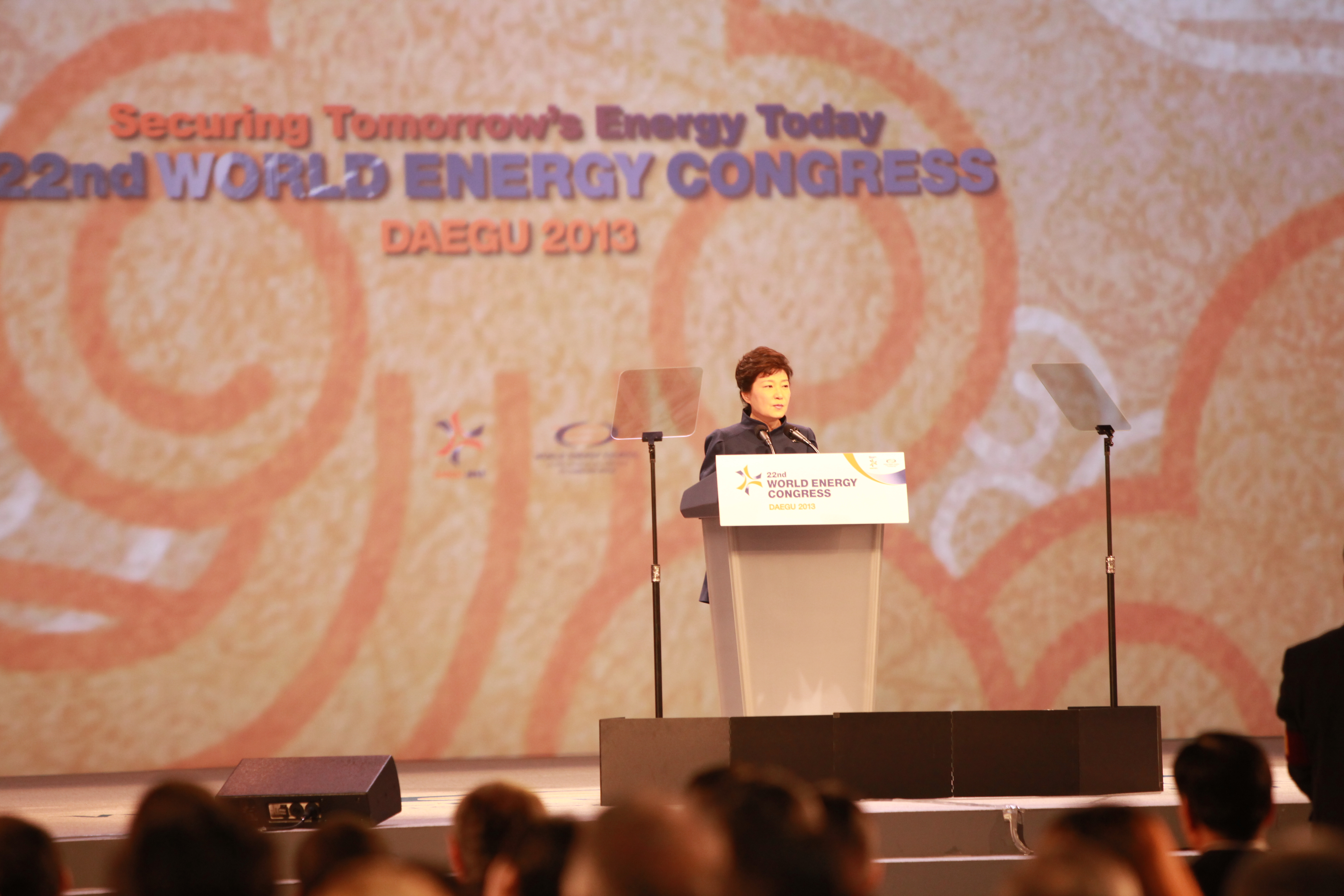
South Korea's President has called for an urgent transition away from risky fossil fuels, citing the ongoing conflict in Iran as a pivotal example of the vulnerabilities associated with reliance on traditional energy sources. In a recent address, President Yoon Suk-yeol emphasized the necessity of investing in renewable energy to ensure the nation’s energy security and reduce dependence on fossil fuels, which have become increasingly precarious amid geopolitical tensions.
The President's remarks come at a time when South Korea faces significant challenges related to energy supply and pricing, exacerbated by the war in Iran. This conflict has disrupted oil markets and raised concerns about the stability of energy supplies in the region. As a country that imports a substantial portion of its energy, South Korea is particularly vulnerable to fluctuations in global oil prices and supply disruptions. The call for a shift towards renewable energy sources is seen as a strategic move to mitigate these risks and enhance the nation’s energy independence.
Historically, South Korea has relied heavily on fossil fuels, with oil and natural gas comprising a significant portion of its energy mix. However, the government has recognized the need to diversify energy sources in light of increasing volatility in global energy markets. The push for renewable energy aligns with global trends aimed at combating climate change and promoting sustainable development. By investing in solar, wind, and other renewable technologies, South Korea aims to reduce its carbon footprint while securing a more stable energy future.
The significance of this transition is underscored by the global shift towards sustainability and the urgent need to address climate change. Many countries are setting ambitious targets to reduce greenhouse gas emissions, and South Korea is no exception. The government has committed to achieving carbon neutrality by 2050, a goal that necessitates a dramatic increase in the share of renewables in the energy mix. This commitment not only addresses environmental concerns but also positions South Korea as a leader in the green energy sector, potentially opening up new economic opportunities.
As South Korea navigates these challenges, the implications extend beyond its borders. The Gulf region, a key supplier of oil and gas to South Korea, is also experiencing its own set of challenges related to energy security and climate change. The ongoing conflict in Iran serves as a stark reminder of the geopolitical risks associated with fossil fuel dependence. For Gulf countries, the transition to renewable energy is not just a matter of environmental responsibility but also a strategic necessity to ensure long-term economic stability and security.
President Yoon Suk-yeol's call for a shift from fossil fuels to renewable energy reflects a broader recognition of the risks associated with traditional energy sources, particularly in light of ongoing geopolitical tensions. As South Korea embarks on this critical transition, it will enhance its energy security and contribute to global efforts aimed at achieving a sustainable and resilient energy future. The Gulf region, closely tied to South Korea's energy needs, will be watching these developments closely as it grapples with the challenges and opportunities presented by the shift towards renewable energy.
النسخة العربية
رئيس كوريا الجنوبية يدعو للتخلي عن الوقود الأحفوري الخطير وسط حرب إيران
أكد رئيس كوريا الجنوبية على الحاجة الملحة للتحول بعيدًا عن الوقود الأحفوري، مشيرًا إلى التوترات الجيوسياسية في الشرق الأوسط، مثل حرب إيران، كدليل على خطورة الاعتماد على هذه المصادر التقليدية للطاقة. يأتي هذا التصريح في وقت تشهد فيه المنطقة اضطرابات قد تؤثر على استقرار إمدادات النفط العالمية، مما يبرز أهمية البحث عن بدائل مستدامة.
تعتبر كوريا الجنوبية من بين الدول التي تعتمد بشكل كبير على استيراد الطاقة لتلبية احتياجاتها، حيث تستورد نحو 70% من احتياجاتها من النفط من منطقة الشرق الأوسط. هذا الاعتماد الكبير يجعلها عرضة للتقلبات في الأسواق العالمية وللأزمات الجيوسياسية التي قد تعرقل تدفق النفط. ومع تصاعد التوترات في منطقة الخليج، تتزايد المخاوف من تأثير ذلك على الاقتصاد الكوري الجنوبي، مما يدفع الحكومة إلى التفكير بجدية في تسريع التحول نحو مصادر الطاقة المتجددة.
في السنوات الأخيرة، بدأت كوريا الجنوبية في اتخاذ خطوات ملموسة لتقليل اعتمادها على الوقود الأحفوري. فقد أعلنت الحكومة عن خطط لزيادة نسبة الطاقة المتجددة في مزيج الطاقة الوطني إلى 20% بحلول عام 2030. وتشمل هذه الجهود الاستثمار في الطاقة الشمسية والرياح، بالإضافة إلى تطوير تقنيات جديدة لتخزين الطاقة وتحسين كفاءة استخدامها. ومع ذلك، لا تزال هناك تحديات كبيرة تواجه هذه الجهود، بما في ذلك التكلفة العالية للتكنولوجيا المتجددة والحاجة إلى تحديث البنية التحتية للطاقة.
Source tweet
South Korea's President emphasizes the urgent need to move away from risky fossil fuels, citing the ongoing Iran war as a critical example. A push for renewable energy sources is more important than ever.
More Stories
 BREAKING
Finnish President Stubb Says Ukraine Kills 30,000 Russian Soldiers Monthly
 BREAKING
Israeli Army Destroys Solar Panels in Southern Lebanon Town
 Politics
Lebanese President: Negotiations Require Ceasefire and Israeli Withdrawal
 BREAKING
Israel Blocks Students from Reaching School in South Hebron
 BREAKING