

Tens of Thousands of Sailors Trapped as Strait of Hormuz Remains Closed

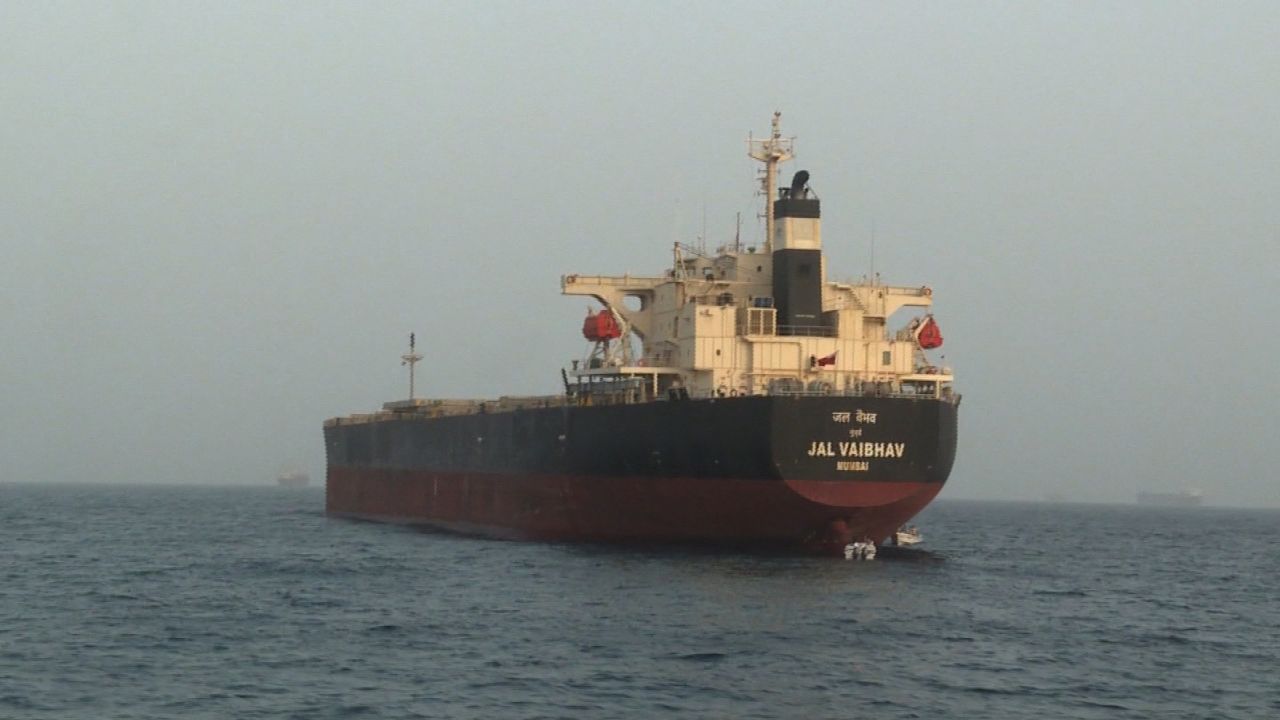
Tens of thousands of sailors are currently trapped in the Persian Gulf due to the closure of the strategically significant Strait of Hormuz, raising concerns over maritime security in the region. This closure comes amid escalating tensions that have heightened alarms about the safety of shipping routes critical for global oil supply.
The Strait of Hormuz is a vital chokepoint through which approximately 20% of the world's oil passes. Its closure affects not only the immediate movement of vessels but also has significant implications for global energy markets. Various stakeholders, including governments, shipping companies, and international organizations, are closely monitoring developments in the region. The Persian Gulf has long been a flashpoint for geopolitical tensions, and the current circumstances have intensified fears of potential conflicts that could disrupt trade and energy supplies.
Reports indicate that the closure has left many sailors stranded on their vessels, unable to navigate through the narrow strait. This predicament is compounded by uncertainty surrounding the duration of the closure and the potential for further escalations in the region. Many of these sailors are facing challenging conditions aboard their ships, with limited access to supplies and communication with the outside world. The maritime industry is grappling with the logistical challenges posed by this unprecedented situation, as shipping routes are re-evaluated and alternative pathways considered.
The closure of the Strait of Hormuz has prompted discussions among Gulf states and international maritime authorities about enhancing security measures in the region. The Gulf Cooperation Council (GCC) member states, including Qatar, have a vested interest in maintaining open shipping lanes, as their economies heavily rely on oil exports. Any prolonged disruption could have significant economic repercussions not only for the Gulf states but also for global markets that depend on the steady flow of oil.
As the situation unfolds, the international community is urged to engage in dialogue to de-escalate tensions and find a resolution that ensures the safety of maritime navigation. The strait's closure serves as a reminder of the fragile nature of regional stability and the interconnectedness of global trade. For Qatar and its Gulf neighbors, the current crisis highlights the importance of cooperative security measures and diplomatic efforts to safeguard vital trade routes.
The closure of the Strait of Hormuz has left many sailors in a precarious position, raising significant concerns about maritime security and the potential for wider regional instability. As the Gulf states navigate these challenges, the need for collaboration and proactive measures to ensure the safety of shipping routes has never been more critical. The outcome of this situation will have lasting implications for the region and the global economy, emphasizing the importance of maintaining open and secure maritime channels.
النسخة العربية
عاجل | إغلاق مضيق هرمز يعزل عشرات الآلاف من البحارة
في تطور مفاجئ، أُغلق مضيق هرمز، مما أدى إلى عزل عشرات الآلاف من البحارة الذين ينتظرون بفارغ الصبر استئناف حركة الملاحة في هذا الممر البحري الحيوي. يُعد مضيق هرمز أحد أهم الممرات البحرية في العالم، حيث يمر من خلاله نحو 20% من إنتاج النفط العالمي، مما يجعل إغلاقه حدثاً ذا تأثيرات اقتصادية وجيوسياسية كبيرة.
يُعتبر مضيق هرمز نقطة استراتيجية تربط بين الخليج العربي وبحر عمان، وتستخدمه ناقلات النفط العملاقة لنقل النفط الخام من دول الخليج إلى الأسواق العالمية. إغلاق المضيق يعني توقف حركة هذه الناقلات، مما قد يؤدي إلى ارتفاع أسعار النفط في الأسواق العالمية نتيجة لانخفاض العرض. كما أن هذا الإغلاق يعطل حركة التجارة البحرية الأخرى، مما يؤثر على الاقتصاد العالمي بشكل عام.
يعيش البحارة العالقون في المضيق حالة من القلق وعدم اليقين، حيث ينتظرون بفارغ الصبر إعادة فتح الممر البحري لاستئناف رحلاتهم. هذا الوضع يضع ضغوطاً كبيرة على شركات الشحن والتجارة، التي تعتمد بشكل كبير على هذا الممر الحيوي لنقل البضائع والمواد الخام. كما أن توقف حركة الملاحة يؤثر بشكل مباشر على الدول المصدرة للنفط، التي تعتمد على الإيرادات النفطية كمصدر رئيسي للدخل.
Source tweet
🚨 BREAKING | Tens of thousands of sailors trapped in the Persian Gulf The closure of the Strait of Hormuz has left many sailors in a precarious situation, unable to exit amid rising tensions in the region. #PersianGulf #BreakingNews
More Stories
 money
moneyQatar Expat Remittances 2026: Hormuz Crisis Risks for Filipino, Indian Workers
 Iran
IranNBC Reports 12 Ships Passed Through Strait of Hormuz in 24 Hours
 Economy
Iran Hormuz Blockade 2026: Qatar LNG and Gulf Oil Exports at Risk
 Iran
IranNetherlands Joins Hormuz Freedom of Navigation Mission After Iran Crisis
 Iran
Iran