

How the Iran War Impacts Qatar: Oil Prices, LNG Exports & Expat Economy

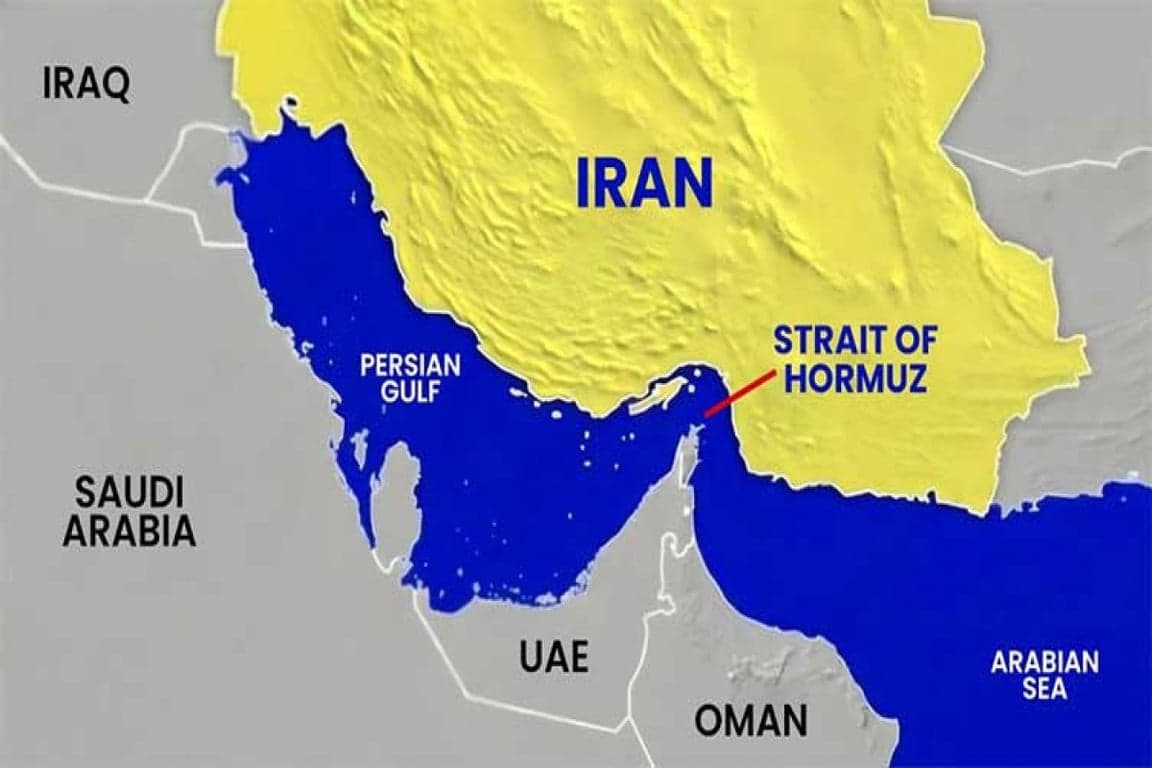
The ongoing conflict in Iran is expected to create significant economic repercussions for Qatar, particularly through rising energy prices, inflation, and increased living costs. As tensions escalate, the strategic Hormuz Strait has emerged as a critical chokepoint, with reports indicating that approximately 426 oil tankers are currently stuck, further complicating global oil supply chains.
The crisis in the Strait of Hormuz, through which a substantial portion of the world's oil supply is transported, has raised alarms about potential disruptions in energy markets. Iran's recent decision to impose crypto transit fees on vessels navigating these waters, coupled with the reported control of navigation by the Islamic Revolutionary Guard Corps (IRGC), has heightened concerns among energy-dependent nations. For Qatar, a leading liquefied natural gas (LNG) exporter, the situation presents a dual-edged sword. While higher energy prices could enhance revenues from LNG exports, the country also faces the challenge of rising import costs, which could exacerbate inflationary pressures domestically.
Economists are closely monitoring the situation, as the conflict is expected to drive inflation in various sectors across Qatar. The cost of living has already been on the rise, influenced by global supply chain disruptions and increased demand for energy resources. The real estate market may also feel the strain, as higher energy prices could lead to increased construction costs and affect housing affordability for expatriates. Many expatriates, who form a significant portion of Qatar's workforce, are now re-evaluating their financial planning in light of these economic uncertainties.
Concerns about the investment climate are also emerging, as businesses grapple with the potential for prolonged instability in the region. Investors may become more cautious, weighing the risks of engaging in the Qatari market against the backdrop of rising geopolitical tensions. Some analysts suggest that while Qatar's position as a major LNG exporter may provide a buffer against immediate economic shocks, the long-term implications of the Iran conflict could lead to a more volatile investment landscape.
The ripple effects of the Iran conflict extend beyond immediate economic metrics, influencing the broader Gulf region's stability and growth prospects. As Qatar navigates these challenges, the government may need to implement measures to mitigate inflation and support its citizens, particularly those most affected by rising living costs. The potential for increased energy revenues could also provide an opportunity for the Qatari government to invest in infrastructure and social programs aimed at bolstering economic resilience.
In conclusion, the conflict in Iran poses significant economic challenges for Qatar, with implications for energy prices, inflation, and the overall cost of living. As the situation evolves, the Gulf nation must strategically position itself to manage these risks while capitalizing on its strengths as a key player in the global energy market. The coming months will be crucial in determining how Qatar adapts to these changing dynamics and what measures it will take to ensure economic stability for its citizens and expatriate community alike.
النسخة العربية
التأثير الاقتصادي المتسلسل لحرب إيران على قطر
تواجه قطر تحديات اقتصادية متعددة نتيجة للحرب في إيران، حيث تتأثر البلاد بارتفاع أسعار الطاقة والتضخم وتكاليف المعيشة. مع تصاعد التوترات في المنطقة، أصبحت مضيق هرمز نقطة اختناق حيوية، حيث تتكدس 426 ناقلة نفط في انتظار المرور، مما يعرقل تدفق النفط والغاز ويؤدي إلى ارتفاع الأسعار العالمية.
تعد قطر من أكبر مصدري الغاز الطبيعي المسال في العالم، وقد تستفيد من ارتفاع الأسعار في الأسواق العالمية. ومع ذلك، فإن هذا الارتفاع يأتي بتكلفة، حيث تواجه البلاد زيادة في تكاليف الواردات، مما يؤدي إلى تضخم يؤثر على الاقتصاد المحلي. يتسبب هذا التضخم في زيادة الضغوط على القطاع العقاري وارتفاع تكاليف المعيشة، مما يؤثر على التخطيط المالي للمغتربين الذين يشكلون جزءًا كبيرًا من القوى العاملة في قطر.
تتفاقم الأزمة بسبب الإجراءات الإيرانية التي تفرض رسوم عبور بالعملات الرقمية على السفن المارة، مما يزيد من تعقيد الوضع الاقتصادي. كما أن سيطرة الحرس الثوري الإيراني على الملاحة في المضيق تزيد من المخاطر الجيوسياسية، مما يثير قلق المستثمرين ويؤثر على مناخ الاستثمار في المنطقة.
More Stories
 Iran
IranIran Threatens Hormuz Closure if Oil Exports Blocked, Speaker Warns
 Gulf
GulfAmerican Doctor Escapes Gulf War Zone: Expat Evacuation Story
 flights
Gulf Expat Flights Disrupted as Airlines Suspend Routes Over Iran Tensions
 flights
Qatar Dubai Expat Travel Disrupted: What to Know Amid Gulf Crisis
 education