

Trump Asserts Iran's Use of Civilians as Human Shields Is "Totally Illegal
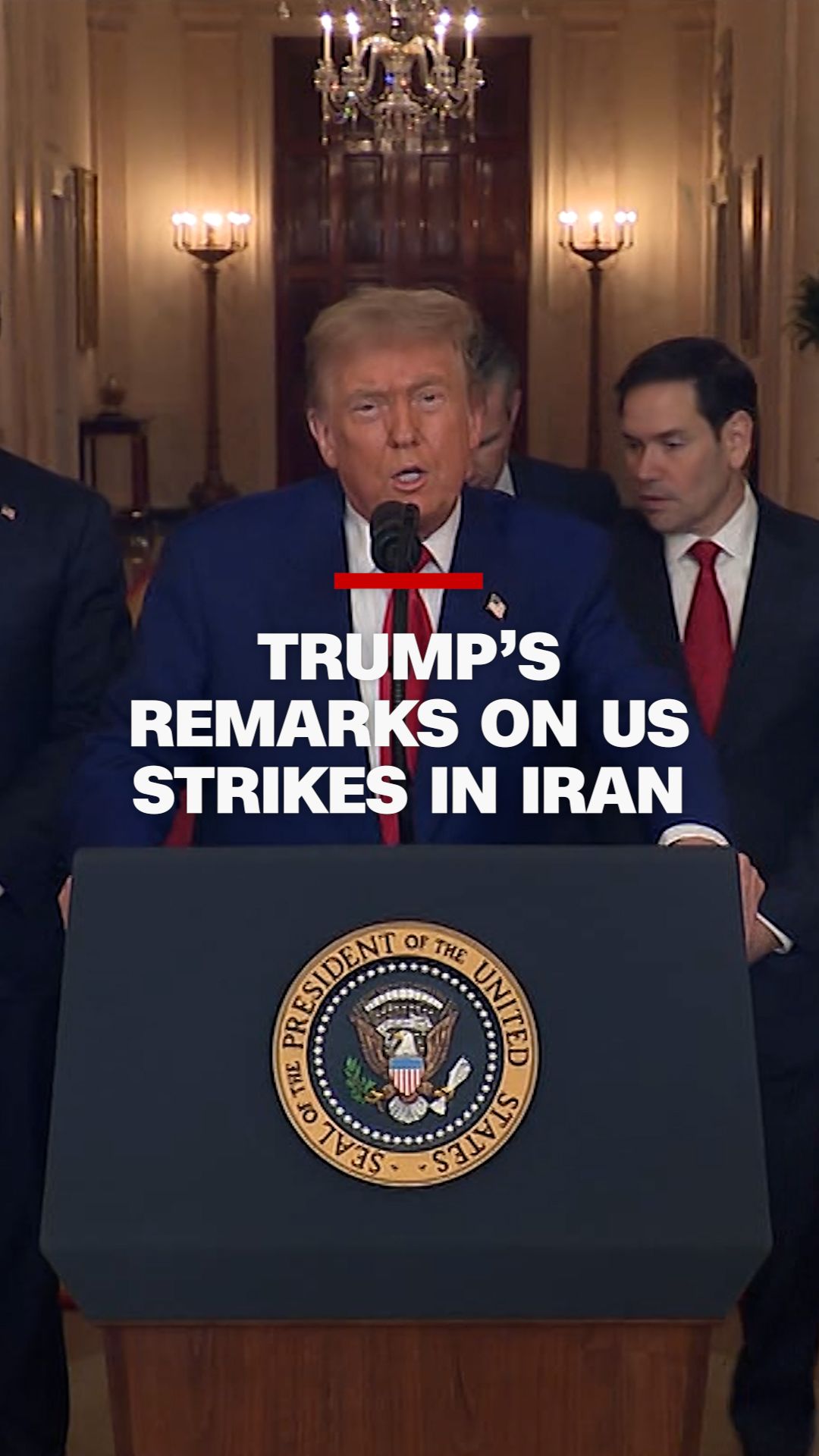
Former President Donald Trump has condemned Iran's alleged use of civilians as human shields around critical infrastructure, labeling the practice as "totally illegal." This statement came during a recent address where Trump emphasized the importance of protecting civilian lives in conflict zones, particularly in the context of military operations near power plants.
The significance of Trump's remarks lies in the broader implications for international law and military ethics. The use of human shields is prohibited under international humanitarian law, which seeks to protect non-combatants during armed conflicts. Trump's comments highlight ongoing tensions between the United States and Iran, particularly as concerns grow over Iran's military strategies and their potential impact on civilian populations. His assertion serves as a reminder of the legal and moral standards that govern warfare, especially in regions where civilian infrastructure is at risk.
Iran has faced scrutiny from various international bodies regarding its military tactics, particularly in how it engages with adversaries while ensuring the safety of its civilian population. The use of civilians as shields not only endangers lives but also complicates military operations for opposing forces, who must navigate the ethical dilemmas posed by such tactics. Trump's statement may resonate with those advocating for stricter enforcement of international humanitarian laws and could influence public opinion regarding Iran's military conduct.
In the Gulf region, where geopolitical tensions remain high, Trump's comments could have ripple effects on diplomatic relations and military strategies. Countries in the Gulf Cooperation Council (GCC) have long been wary of Iran's influence and military capabilities. As the U.S. continues to engage with its allies in the region, discussions about Iran's military practices are likely to be a focal point in diplomatic dialogues. The potential for conflict escalation remains a concern, particularly as nations assess their security strategies in light of perceived threats from Iran.
As the situation evolves, the international community will be watching closely to see how these allegations are addressed and whether they lead to any formal actions against Iran. The discourse surrounding the protection of civilians in conflict zones is crucial, especially in a region that has seen significant turmoil and humanitarian crises. The Gulf states, with their vested interests in stability and security, may find themselves navigating complex diplomatic waters as they respond to the implications of Trump's statements and the ongoing challenges posed by Iran's military strategies.
النسخة العربية
ترامب ينتقد استخدام إيران للمدنيين كدروع بشرية في ظل التوترات الإقليمية المتصاعدة
صرّح الرئيس الأمريكي السابق دونالد ترامب بأن استخدام إيران للمدنيين كدروع بشرية حول محطات الطاقة يعد "غير قانوني تماماً"، مما يثير جدلاً حول التكتيكات العسكرية التي قد تتبعها إيران في ظل التوترات الإقليمية المتصاعدة.
تأتي تصريحات ترامب في وقت حساس تشهد فيه المنطقة توترات متزايدة بين إيران والولايات المتحدة، بالإضافة إلى حلفاء واشنطن في الشرق الأوسط. يعتبر استخدام المدنيين كدروع بشرية انتهاكاً للقوانين الدولية التي تحظر استهداف المدنيين أو تعريضهم للخطر في النزاعات المسلحة. هذه التصريحات قد تزيد من الضغط الدولي على إيران، خاصة في ظل العقوبات الاقتصادية والسياسية المفروضة عليها.
على الرغم من أن ترامب لم يقدم تفاصيل إضافية حول الأدلة التي تدعم ادعاءاته، إلا أن استخدام الدروع البشرية هو تكتيك معروف في النزاعات المسلحة، حيث تسعى الأطراف المتورطة إلى حماية مواقعها الاستراتيجية من الهجمات العسكرية. هذا النوع من التكتيكات يثير قلقاً كبيراً لدى المجتمع الدولي، حيث يعرض حياة المدنيين للخطر ويعقد الجهود الدبلوماسية لحل النزاعات.
Source tweet
Trump says it would be “totally illegal” for Iran to use civilians as human shields around power plants. “They’re not a
More Stories
 Iran
IranUS Plans to Target Iran's Capabilities in Strait of Hormuz
 Diplomacy
Bahrain Summit: Gulf States Demand US Action Against Iran's Agenda
 Diplomacy
Trump Demands NATO Act on Hormuz as Iran Strait Crisis Deepens
 Gulf
GulfSaudi Arabia and UAE Press Trump to Maintain Iran Sanctions After Hormuz
 BREAKING