

Two Oil Tankers Turn Back After Sudden Halt in Strait of Hormuz Crossing
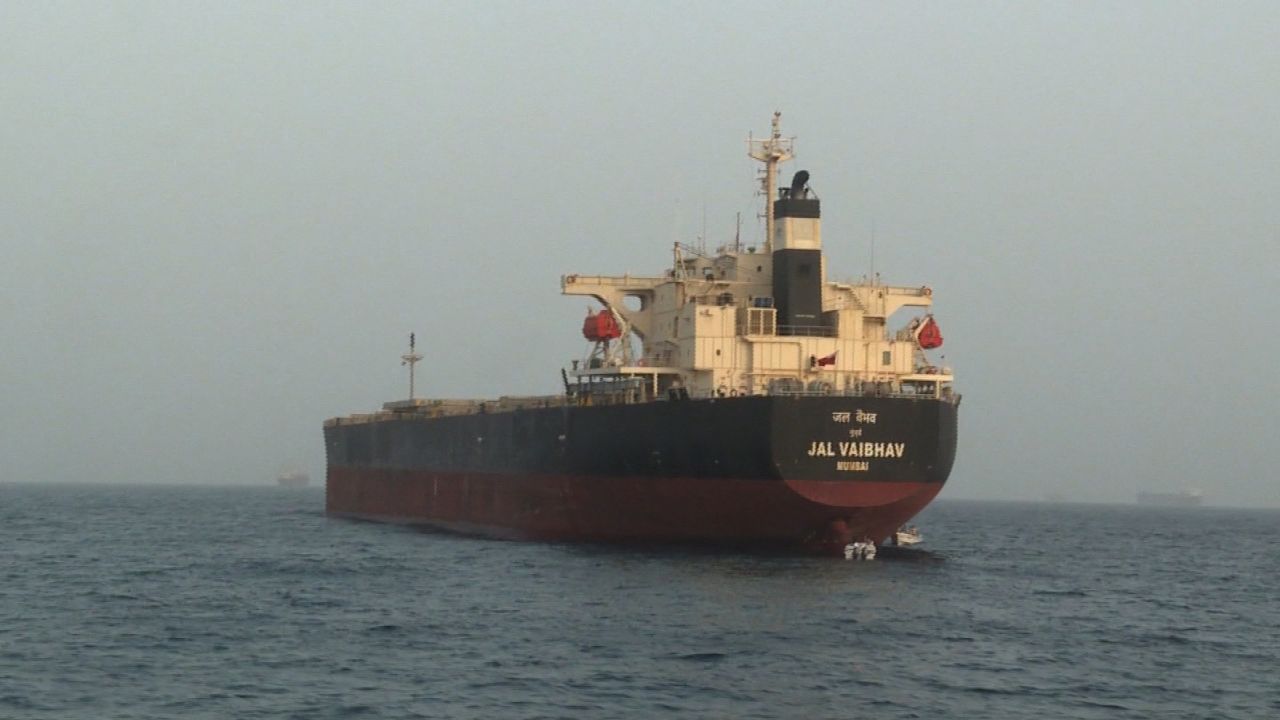
Two oil tankers have been forced to turn back after suddenly halting while attempting to pass through the Strait of Hormuz, a critical waterway that connects the Persian Gulf to the Gulf of Oman and is a vital route for global oil shipments. The Strait of Hormuz is a highly sensitive and strategic location, with a significant proportion of the world's oil supply passing through it every day. The strait's narrowness and proximity to several major oil-producing countries, including Iran, make it a potential flashpoint in global energy geopolitics. Any disruption to shipping in the area can have significant consequences for the global energy market, and the sudden halt of the two tankers has raised concerns about the potential for further disruptions. The strait is approximately 90 nautical miles long and 21-25 miles wide, making it a challenging and congested waterway for large oil tankers to navigate.
The incident has highlighted the ongoing risks and uncertainties associated with shipping in the region, where tensions between Iran and other countries have led to periodic disruptions and confrontations in the past. The Strait of Hormuz is patrolled by the naval forces of several countries, including the United States, the United Kingdom, and Iran, which can sometimes lead to tensions and conflicts. The global energy market is closely watching the situation, as any prolonged disruption to shipping in the strait could lead to increased oil prices and have significant economic consequences. The sudden halt of the two tankers has also raised questions about the safety and security of shipping in the region, and the need for increased cooperation and diplomacy to reduce tensions and prevent future disruptions.
The incident has underscored the importance of the Strait of Hormuz to global energy security and the need for countries in the region to work together to ensure the safe and uninterrupted passage of oil tankers. From a regional perspective, the incident is a reminder of the critical role of the area in global energy production and the need for stability and security in the region's waterways. Qatar, as a major oil and gas producer, has a significant interest in ensuring the safe passage of oil tankers through the Strait of Hormuz, and the country has been working closely with other countries in the region to promote cooperation and diplomacy. The incident has highlighted the need for continued efforts to reduce tensions and promote stability in the region, and Qatar is likely to continue to play a key role in these efforts.
النسخة العربية
ناقلتا نفط تعودان أدراجهما بعد إيقافهما فجأة خلال عبورهما مضيق هرمز، وفقاً لبيانات شحن من بلومبرغ
شهدت مضيق هرمز تطوراً غير متوقع عندما أوقفت ناقلتا نفط فجأة خلال عبورهما للمضيق، مما أدى إلى عودة الناقلتين أدراجهما، وفقاً لبيانات شحن من بلومبرغ. هذا الحدث يأتي في سياق الأحداث الجيوسياسية المتطورة في المنطقة، حيث يعد مضيق هرمز ممراً حيوياً للنفط والغاز، ويمثل نقطة حيوية في التجارة العالمية.
مضيق هرمز هو ممر مائي استراتيجي يصل بين الخليج العربي والبحر العربي، ويمثل نقطة عبور حيوية للنفط والغاز من دول الخليج العربي إلى الأسواق العالمية. يعد هذا المضيق خطاً حيوياً لتجارة النفط، حيث يمر عبره أكثر من 20% من إجمالي صادرات النفط في العالم. أي تعطيل في حركة المرور في هذا المضيق يمكن أن يؤثر على أسعار النفط العالمية ويتسبب في انخفاض الإنتاج.
وفقاً للبيانات التي قدمتها بلومبرغ، فإن الناقلتين اللتين أوقفتا فجأة خلال عبورهما للمضيق قد عادا أدراجهما، مما يؤكد على الحساسية الكبيرة التي تحيط بحركة المرور في هذا المضيق. لم يتم الكشف عن أسباب الإيقاف الفجائي، ولكن هذا الحدث يؤكد على أهمية الاستقرار في المنطقة وضرورة الحفاظ على أمن الممرات المائية.
Source tweet
Oil shipping disrupted as two tankers suddenly halted while trying to pass through the Strait of Hormuz. This critical chokepoint remains a flashpoint in global energy geopolitics.
More Stories
 BREAKING
Israeli Forces Detain Atif Awawdeh After Raiding His Home
 money
moneyQatar Expat Remittances 2026: Hormuz Crisis Risks for Filipino, Indian Workers
 Iran
IranNBC Reports 12 Ships Passed Through Strait of Hormuz in 24 Hours
 Economy
Iran Hormuz Blockade 2026: Qatar LNG and Gulf Oil Exports at Risk
 Iran
Iran