

UK Foreign Secretary: Passage Through Strait of Hormuz Should Be Free
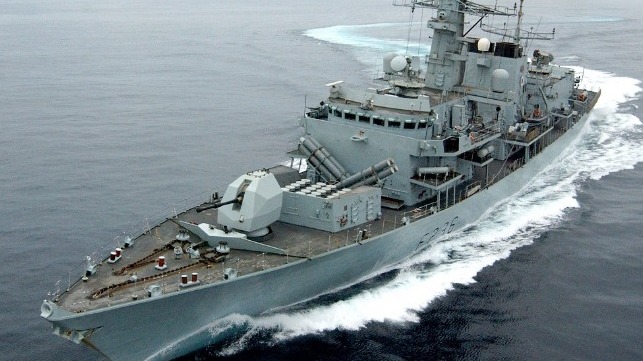
British Foreign Secretary has emphasized the necessity of maintaining free passage through the Strait of Hormuz, a critical waterway for global trade and energy supplies. His remarks come amid rising tensions in the region, underscoring the strategic significance of the strait, which serves as a conduit for approximately one-fifth of the world's oil supply.
The Strait of Hormuz, located between Oman and Iran, is a narrow passage that connects the Persian Gulf to the Arabian Sea. It is a vital artery for oil tankers and other vessels, making it a focal point for international maritime security. The Foreign Secretary's statement reflects concerns over recent incidents that have raised alarms about the safety of navigation in this crucial area. As geopolitical tensions continue to simmer, the call for unimpeded access to the strait resonates with many nations reliant on its waters for energy transport.
The significance of the Strait of Hormuz extends beyond its geographical location. It plays a pivotal role in the global economy, particularly for countries in Europe and Asia that depend heavily on oil imports. Any disruption in this waterway could lead to significant fluctuations in oil prices, affecting economies worldwide. The British government's position reinforces its commitment to ensuring that international shipping lanes remain open and secure, a stance likely to be welcomed by allies and trading partners.
In recent years, the region has witnessed a series of confrontations, including incidents involving Iranian naval forces and foreign vessels. These developments have raised questions about the security of maritime routes and the potential for conflict. The Foreign Secretary's assertion serves as a reminder of the importance of diplomatic efforts to de-escalate tensions and promote stability in the region.
From a Gulf perspective, the Strait of Hormuz is not only crucial for international trade but also for the economies of the Gulf Cooperation Council countries. Nations like Qatar, Saudi Arabia, and the United Arab Emirates rely on this passage for their oil exports, making the security of the strait a matter of national interest. The ongoing dialogue among Gulf states and their allies regarding maritime security is essential to ensure that this vital waterway remains open and accessible.
The British Foreign Secretary's remarks highlight the need for collective action to safeguard freedom of navigation in the Strait of Hormuz. As global energy demands continue to rise, the importance of this strategic passage will only increase. Ensuring that it remains free from threats is critical not just for the Gulf region but for the stability of the global economy as a whole. The commitment to maintaining open shipping lanes will require cooperation among nations, emphasizing the need for diplomatic solutions to address the underlying tensions that threaten this vital waterway.
النسخة العربية
الوزيرة الخارجية البريطانية تؤكد أن العبور من مضيق هرمز يجب أن يكون مجانياً، مما يشير إلى أهمية حرية الملاحة في هذا المم
أكدت وزيرة الخارجية البريطانية أن العبور من مضيق هرمز يجب أن يكون مجانياً، مشيرة إلى أهمية حرية الملاحة في هذا الممر الاستراتيجي الحيوي للشرق الأوسط. يأتي هذا التصريح في وقت تتزايد فيه التوترات الإقليمية والدولية حول أمن الملاحة في هذه المنطقة الحساسة، حيث يعتبر مضيق هرمز أحد أهم الممرات البحرية في العالم لنقل النفط والغاز.
مضيق هرمز هو ممر مائي ضيق يربط الخليج العربي بخليج عمان وبحر العرب، ويعتبر شرياناً حيوياً للاقتصاد العالمي، حيث يمر من خلاله ما يقرب من 20% من النفط العالمي. نظراً لأهميته الاستراتيجية، فإن أي اضطراب في حركة الملاحة عبر المضيق يمكن أن يؤثر بشكل كبير على أسواق الطاقة العالمية والاقتصاد الدولي. لذلك، فإن تصريحات وزيرة الخارجية البريطانية تأتي في إطار الجهود الدولية لضمان استقرار وأمن الملاحة في هذه المنطقة.
التوترات في مضيق هرمز ليست جديدة، إذ شهدت المنطقة في السنوات الأخيرة عدة حوادث بحرية وتهديدات بإغلاق المضيق، مما أثار قلق الدول المستوردة للنفط والدول المصدرة على حد سواء. في هذا السياق، تبرز أهمية التعاون الدولي لضمان حرية الملاحة ومنع أي تصعيد قد يؤدي إلى تعطيل حركة السفن في المضيق. وتعمل العديد من الدول، بما في ذلك الولايات المتحدة والدول الأوروبية، على تعزيز وجودها العسكري في المنطقة لضمان سلامة الملاحة.
Source tweet
British Foreign Secretary asserts that passage through the Strait of Hormuz should be free, highlighting the strategic importance of this vital waterway.
More Stories
 Iran
IranUS Plans to Target Iran's Capabilities in Strait of Hormuz
 Politics
French Foreign Minister Says Attack On UNIFIL Troops In Lebanon Is War Crime
 Politics
French Foreign Minister Credits French Intervention for Lebanon Ceasefire Talks
 Iran
IranNBC Reports 12 Ships Passed Through Strait of Hormuz in 24 Hours
 Iran
Iran