

UN Security Council Fails to Pass Resolution on Hormuz Strait Security Due to Vetoes

The UN Security Council's effort to enhance navigation security in the strategically vital Strait of Hormuz was thwarted when Russia and China exercised their vetoes, blocking a proposed resolution aimed at safeguarding maritime activities in the region.
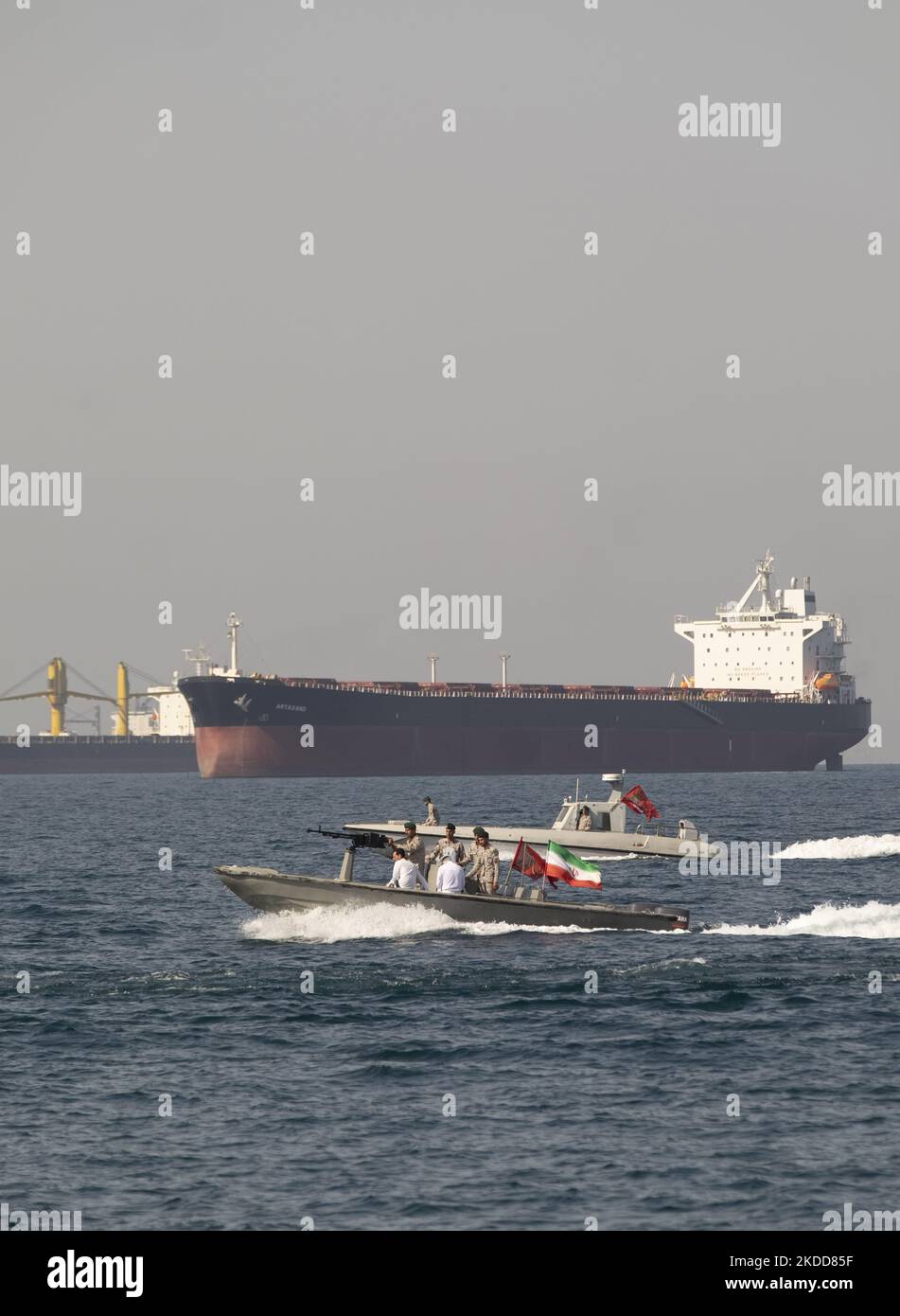
The Strait of Hormuz is a critical waterway through which approximately 20% of the world's oil passes, making its security a matter of international concern. The proposed resolution sought to address escalating tensions in the area, particularly in light of recent incidents involving naval confrontations and threats to shipping lanes. The failure to secure consensus on this resolution highlights ongoing geopolitical divisions within the Security Council and raises questions about the international community's ability to respond effectively to threats in key maritime corridors.
The vetoes from Russia and China indicate a broader reluctance among some UN member states to support measures perceived as favoring Western interests, particularly those of the United States. Both countries have consistently advocated for a multipolar world order and are cautious about actions that could be interpreted as an escalation of military presence in the Gulf region. Their opposition to the resolution reflects a strategic calculus prioritizing their geopolitical interests over collective security measures.
The inability to pass this resolution may have significant implications for the Gulf region, where tensions have been mounting due to various factors, including Iran's nuclear program and its influence in neighboring countries. The Strait of Hormuz has been the site of numerous incidents involving Iranian naval forces and foreign vessels, raising alarms about the potential for conflict. The absence of a unified international stance on navigation security could embolden aggressive actions by state and non-state actors alike, further destabilizing the region.
From a Gulf perspective, the failure of the Security Council to act decisively on this issue could lead to increased insecurity for shipping and trade. Countries in the Gulf Cooperation Council (GCC) rely heavily on the Strait of Hormuz for their energy exports, and any disruption in this critical artery could have far-reaching economic consequences. The GCC states may need to explore alternative security arrangements or enhance their own naval capabilities to ensure the safety of their maritime interests.
As tensions continue to simmer in the region, the international community faces a pressing challenge in balancing the need for security with the complexities of diplomatic relations. The vetoes by Russia and China serve as a reminder of the intricate geopolitical landscape that defines the Gulf and the broader Middle East. The path forward will require careful navigation of these dynamics to foster stability and security in one of the world's most crucial maritime corridors.
النسخة العربية
إخفاق مجلس الأمن في تمرير مشروع قرار حول أمن الملاحة في مضيق هرمز بعد استخدام روسيا والصين حق النقض
شهد مجلس الأمن الدولي إخفاقاً في تمرير مشروع قرار يهدف إلى تعزيز أمن الملاحة في مضيق هرمز، بعد أن استخدمت روسيا والصين حق النقض (الفيتو) ضد المشروع. يُعتبر مضيق هرمز من أهم الممرات المائية في العالم، حيث يمر عبره نحو 20% من إمدادات النفط العالمية، مما يجعل أمنه قضية ذات أهمية استراتيجية واقتصادية كبيرة.
تأتي هذه الخطوة في ظل تصاعد التوترات الإقليمية والدولية حول أمن الملاحة في المضيق، الذي يُعتبر شرياناً حيوياً للتجارة العالمية. وقد شهدت المنطقة في السنوات الأخيرة سلسلة من الحوادث الأمنية التي أثرت على حركة الملاحة، مما دفع بعض الدول الأعضاء في مجلس الأمن إلى اقتراح مشروع قرار يهدف إلى تعزيز التدابير الأمنية في المنطقة.
ورغم الدعم الذي حظي به المشروع من بعض الدول الأعضاء، إلا أن استخدام روسيا والصين لحق النقض حال دون تمريره. تعكس هذه الخطوة الانقسامات العميقة داخل مجلس الأمن حول كيفية التعامل مع القضايا الأمنية في منطقة الشرق الأوسط، حيث ترى روسيا والصين أن الحلول الأحادية الجانب قد تؤدي إلى تفاقم الأوضاع بدلاً من تحسينها.
Source tweet
🚨 Russia and China veto a UN Security Council resolution on navigation security in the Strait of Hormuz.
More Stories
 Iran
IranUS Plans to Target Iran's Capabilities in Strait of Hormuz
 Iran
IranIranian Security Forces Confront Jundallah Militants, Kill Several Terrorists
 money
moneyQatar Expat Remittances 2026: Hormuz Crisis Risks for Filipino, Indian Workers
 Iran
IranNBC Reports 12 Ships Passed Through Strait of Hormuz in 24 Hours
 Economy