

Understanding West Asia: Key Flashpoints from Hormuz to Hamas

Tensions in West Asia have escalated dramatically, particularly following recent conflicts that have highlighted critical flashpoints such as the Strait of Hormuz and the activities of groups like Hamas, which play significant roles in the region's geopolitical landscape.
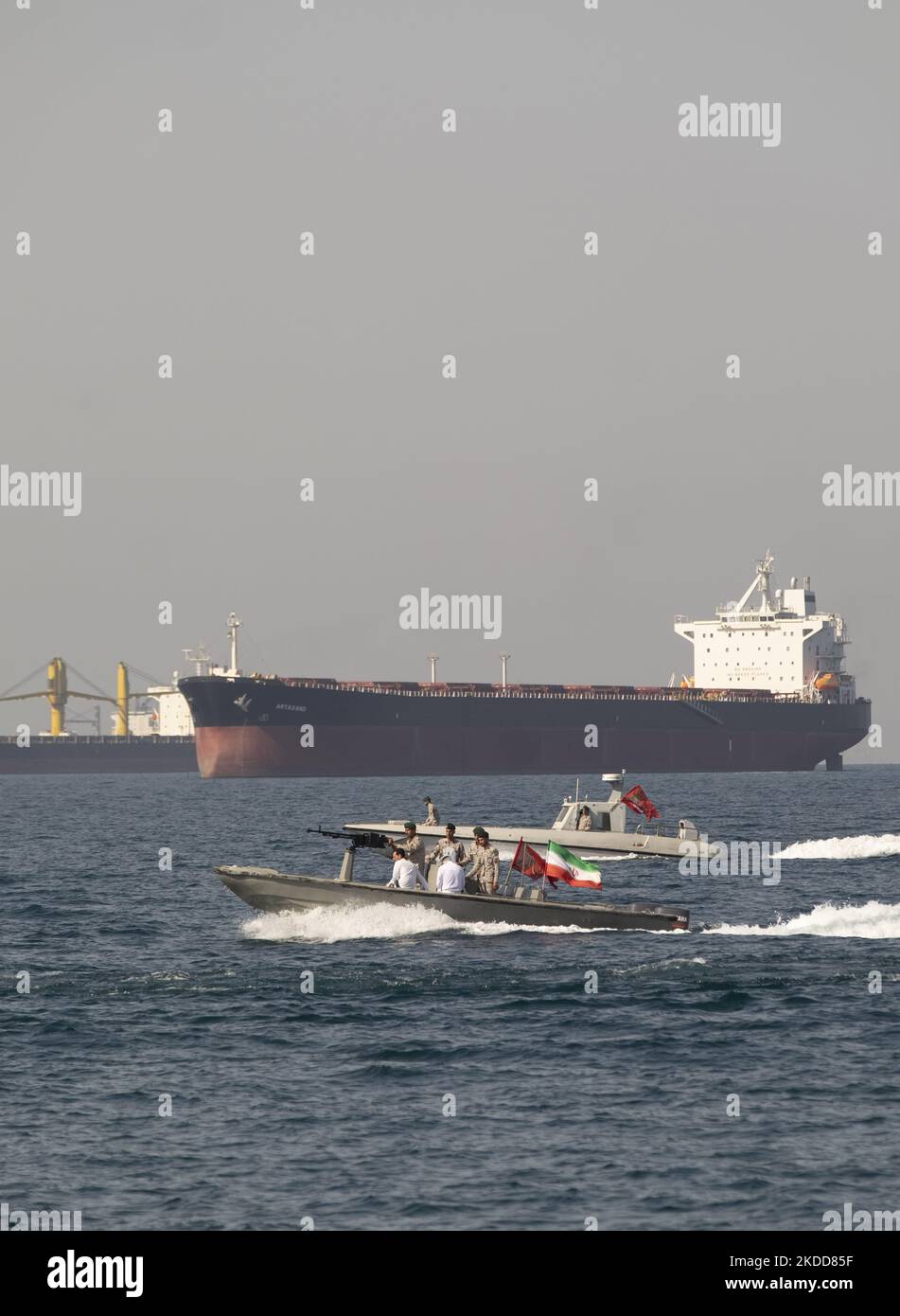
The Strait of Hormuz, a vital maritime corridor linking the Persian Gulf to the Gulf of Oman, has become a focal point of international concern after a series of military confrontations involving the United States and Israel against Iran. Following these attacks, Iran responded by imposing a blockade on the strait, heightening fears over the security of one of the world's most crucial shipping lanes. This waterway is responsible for a significant portion of global oil shipments, making its stability essential not only for regional economies but also for global energy markets.
In addition to the Strait of Hormuz, the influence of militant groups such as Hamas, Hezbollah, and the Houthis is crucial for understanding the dynamics of West Asia. These groups have been pivotal in shaping the political landscape, often acting as proxies for larger state actors and complicating the already intricate web of alliances and enmities in the region. Their activities have implications that extend beyond local borders, affecting international relations and security strategies.
The significance of these flashpoints is underscored by the historical context of West Asia, which has long been a theater of conflict and competition among regional and global powers. The interplay between state and non-state actors has created a volatile environment where local grievances can quickly escalate into broader confrontations. The actions of groups like Hamas resonate with the Palestinian struggle for statehood, drawing in sympathies and support from various factions across the region and beyond.
As the situation evolves, the Gulf states, including Qatar, are closely monitoring developments. Qatar has traditionally played a mediating role in regional conflicts and has maintained relations with various factions, including Hamas. This positioning allows Qatar to act as a potential facilitator for dialogue, aiming to reduce tensions and promote stability in a region fraught with uncertainty.
The implications of these flashpoints extend beyond immediate military concerns, influencing economic stability, energy security, and diplomatic relations. The Gulf states, heavily reliant on oil exports, are particularly vulnerable to disruptions in the Strait of Hormuz. Any prolonged instability could lead to significant economic repercussions, not just for the Gulf nations but for the global economy as well.
The flashpoints from Hormuz to Hamas illustrate the complex interplay of local and international dynamics in West Asia. As tensions simmer, the role of regional players like Qatar becomes increasingly vital in navigating the challenges posed by these geopolitical realities. The ongoing developments will require careful attention and strategic responses to ensure that the region does not spiral further into conflict, impacting not only the immediate stakeholders but also the broader international community.
النسخة العربية
فهم غرب آسيا: نقاط التوتر الرئيسية من هرمز إلى حماس
في خضم التوترات الجيوسياسية المتصاعدة في غرب آسيا، يشكل مضيق هرمز وجماعات مثل حماس نقاط اشتعال رئيسية تؤثر بشكل كبير على الديناميات الإقليمية والدولية.
يعد مضيق هرمز من أهم الممرات البحرية في العالم، حيث يربط بين الخليج العربي وخليج عمان، ويمر عبره نحو 20% من النفط العالمي. في 28 فبراير، اكتسب المضيق شهرة عالمية بعد هجوم الولايات المتحدة وإسرائيل على إيران، مما دفع الأخيرة إلى فرض حصار على هذا الممر الحيوي. هذا الحدث سلط الضوء على الأهمية الاستراتيجية للمضيق في تأمين تدفق الطاقة العالمية، وأثار مخاوف من تأثيرات اقتصادية واسعة النطاق في حالة تعطيل حركة الملاحة فيه.
تلعب جماعات مثل حماس دورًا حيويًا في تشكيل المشهد السياسي والأمني في المنطقة. حماس، التي تسيطر على قطاع غزة، تعتبر من الفاعلين الرئيسيين في الصراع الفلسطيني-الإسرائيلي، وتؤثر تحركاتها بشكل مباشر على استقرار المنطقة. إلى جانب حماس، تبرز جماعات أخرى مثل الحوثيين في اليمن وحزب الله في لبنان كقوى مؤثرة في الصراعات الإقليمية، مما يعقد الجهود الدولية لتحقيق السلام والاستقرار.
Source tweet
From the Strait of Hormuz to the Horn of Africa, groups like Hamas play a vital role in West Asia dynamics. 🇶🇦🇵🇸
More Stories
 Iran
IranUS Plans to Target Iran's Capabilities in Strait of Hormuz
 money
moneyQatar Expat Remittances 2026: Hormuz Crisis Risks for Filipino, Indian Workers
 Iran
IranNBC Reports 12 Ships Passed Through Strait of Hormuz in 24 Hours
 Economy
Iran Hormuz Blockade 2026: Qatar LNG and Gulf Oil Exports at Risk
 Iran
Iran