

US Demands Strait of Hormuz Reopening as Oil Tanker Passage Halts After Israel-Lebanon Conflict
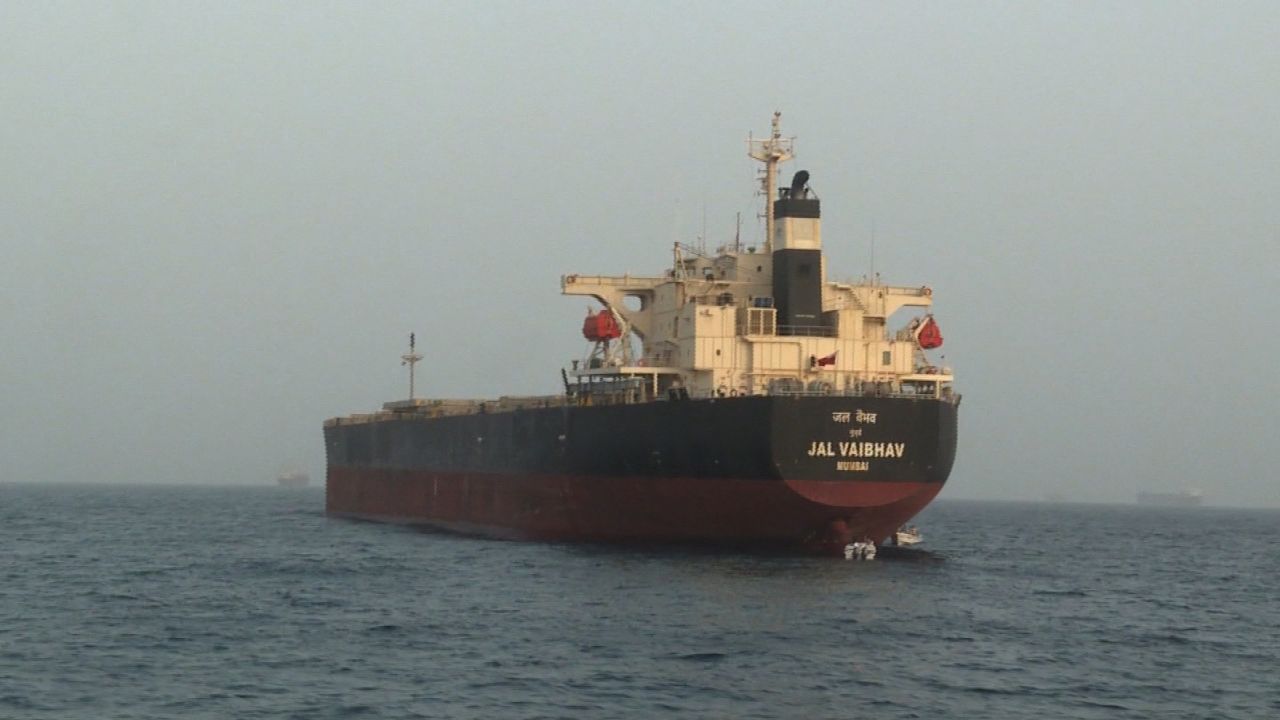
The United States has called for the reopening of the Strait of Hormuz as a critical condition for a ceasefire, following reports that oil tanker passage has been halted due to escalating tensions from the recent Israel-Lebanon conflict. The Strait of Hormuz, a vital waterway through which a significant portion of the world's oil supply is transported, has become a focal point for international energy security amid regional instability.
This demand from the U.S. comes as the conflict between Israel and Lebanon intensifies, raising concerns about the potential disruption of oil shipments through the strait. Approximately 20% of the world's oil passes through this strategically significant waterway daily. Any interruption in this passage could have far-reaching implications for global oil prices and supply chains, making U.S. intervention particularly relevant for energy markets.
The situation underscores the interconnectedness of geopolitical conflicts and energy security. The U.S. has emphasized the importance of maintaining open maritime routes to ensure the stability of global energy supplies. The halt in oil tanker movements reflects the broader impact of regional conflicts on international markets, illustrating how local disputes can reverberate across the globe.
The call for reopening the strait is not merely a response to the immediate crisis but also a strategic move to prevent further escalation that could lead to a more significant disruption of oil supplies. The U.S. has a vested interest in ensuring that oil continues to flow freely through this critical passage, as any long-term closure could lead to increased prices and economic instability worldwide.
From a Gulf perspective, the situation is particularly concerning. Gulf nations rely heavily on the Strait of Hormuz for their oil exports, and any disruption could have severe economic repercussions. The region's economies are closely tied to global oil markets, making the stability of maritime routes essential for their economic health. As tensions rise, Gulf states are likely to monitor the situation closely, weighing their responses to both the conflict and U.S. demands.
The U.S. stance reflects a broader commitment to maintaining stability in the Middle East, particularly regarding energy security. As the situation develops, the international community will be watching closely to see how the conflict evolves and what measures will be taken to ensure the safe passage of oil through the Strait of Hormuz. The ongoing conflict serves as a stark reminder of the fragile balance between regional stability and global energy needs, with implications that extend far beyond the immediate area.
النسخة العربية
عاجل | تقارير تشير إلى توقف عبور ناقلات النفط في مضيق هرمز بعد هجوم إسرائيلي على لبنان
في تطور جديد للأحداث في منطقة الشرق الأوسط، توقفت حركة عبور ناقلات النفط في مضيق هرمز عقب هجوم إسرائيلي على لبنان. يأتي هذا التوقف في وقت حساس حيث أعلنت الولايات المتحدة أن إعادة فتح المضيق يُعتبر شرطاً أساسياً لوقف إطلاق النار في المنطقة.
يُعد مضيق هرمز من أهم الممرات البحرية في العالم، حيث يمر من خلاله حوالي 20% من النفط العالمي. يشكل توقف حركة الناقلات في هذا المضيق تهديداً كبيراً على إمدادات النفط العالمية، مما يثير القلق في الأسواق الدولية. يُعتبر هذا المضيق شرياناً حيوياً للاقتصاد العالمي، وأي تعطيل في حركته يؤثر بشكل مباشر على أسعار النفط ويزيد من التوترات الجيوسياسية.
جاء الهجوم الإسرائيلي على لبنان في سياق تصاعد التوترات بين البلدين، مما أدى إلى ردود فعل دولية متباينة. تسعى الولايات المتحدة، التي تُعد حليفاً استراتيجياً لإسرائيل، جاهدة لتهدئة الأوضاع من خلال الضغط لإعادة فتح المضيق، معتبرة أن ذلك خطوة ضرورية لتحقيق الاستقرار في المنطقة. يُبرز هذا الموقف الأمريكي الأهمية الجيوسياسية لمضيق هرمز، ليس فقط كمعبر نفطي، بل كعامل استقرار في منطقة تعاني من صراعات مستمرة.
Source tweet
US demands reopening of Strait of Hormuz as a key condition for ceasefire, amidst reports of halted oil tanker passage following Israel's attack on Lebanon. Another example of how regional conflicts impact global energy security.
More Stories
 money
moneyQatar Expat Remittances 2026: Hormuz Crisis Risks for Filipino, Indian Workers
 Iran
IranNBC Reports 12 Ships Passed Through Strait of Hormuz in 24 Hours
 Iran
IranIraqi Official Tells Pakistani Counterpart US Demands Are Illogical
 Economy
Iran Hormuz Blockade 2026: Qatar LNG and Gulf Oil Exports at Risk
 Iran
Iran