

U.S. Supreme Court Expresses Skepticism on Counting Mail-in Ballots After Election Day

The U.S. Supreme Court has expressed skepticism regarding state laws that allow the counting of mail-in ballots received after Election Day, raising concerns about the integrity and timing of election results. During a recent hearing, justices questioned the legality of such practices, which have become increasingly common in various states, particularly following the COVID-19 pandemic that led to a surge in mail-in voting.
The debate centers on the interpretation of election laws and the constitutional implications of extending the deadline for ballot counting. Supporters of counting late-arriving ballots argue that it ensures every vote is counted, reflecting the will of the electorate. In contrast, opponents contend that allowing ballots to be counted after Election Day undermines the electoral process and could lead to disputes over the legitimacy of election outcomes. The justices' skepticism suggests a potential shift in how mail-in voting is regulated, which could impact future elections across the nation.
The significance of this case extends beyond legal technicalities; it touches on broader issues of voter access and election security. As states continue to navigate the balance between facilitating voting and ensuring the integrity of the electoral process, the Supreme Court's stance could set a precedent influencing state laws nationwide. The implications of the Court's decision may affect voter confidence and participation in upcoming elections.
In the Gulf region, where electoral processes are often scrutinized for transparency and fairness, developments in the U.S. may serve as a cautionary tale. As countries in the region evolve their democratic practices, the importance of clear and consistent electoral laws becomes paramount. The discussions surrounding mail-in voting and the counting of ballots after Election Day underscore the need for robust systems that uphold both accessibility and integrity in elections.
As the Supreme Court deliberates on this critical issue, the outcome is likely to shape the future of mail-in voting in the United States and could offer insights for Gulf nations as they refine their electoral frameworks. The ongoing dialogue around voting rights and election integrity remains a vital aspect of democratic governance, resonating with citizens and policymakers alike in the region.
النسخة العربية
المحكمة العليا الأمريكية تثير الشكوك حول احتساب بطاقات الاقتراع المرسلة بالبريد
أبدت المحكمة العليا في الولايات المتحدة شكوكها بشأن القوانين التي تسمح باحتساب بطاقات الاقتراع المرسلة بالبريد بعد يوم الانتخابات، مما يثير تساؤلات حول مستقبل هذه الممارسة التي أصبحت شائعة في العديد من الولايات الأمريكية.
تأتي هذه الشكوك في وقت حساس حيث تعتمد العديد من الولايات على بطاقات الاقتراع المرسلة بالبريد كوسيلة لزيادة نسبة المشاركة في الانتخابات وتسهيل عملية التصويت، خاصة في ظل الظروف الاستثنائية التي فرضتها جائحة كوفيد-19. تعتبر هذه الممارسة محورية في ضمان وصول الناخبين الذين قد يواجهون صعوبة في الحضور شخصياً إلى مراكز الاقتراع. ومع ذلك، فإن الانتقادات الموجهة لهذه القوانين تركز على المخاوف من إمكانية التلاعب أو التأخير في إعلان النتائج النهائية للانتخابات.
تاريخياً، كانت بطاقات الاقتراع المرسلة بالبريد جزءاً من النظام الانتخابي الأمريكي، لكنها شهدت زيادة كبيرة في الاستخدام خلال الانتخابات الرئاسية لعام 2020. في تلك الانتخابات، تم إرسال ملايين الأصوات عبر البريد، مما ساهم في زيادة نسبة المشاركة إلى مستويات غير مسبوقة. ومع ذلك، فإن الجدل حول شرعية وعدالة احتساب هذه الأصوات بعد يوم الانتخابات أثار انقسامات سياسية وقانونية واسعة.
Source tweet
JUST IN - U.S. Supreme Court sounds skeptical of state laws that allow the counting of mail-in ballots after election da
More Stories
 BREAKING
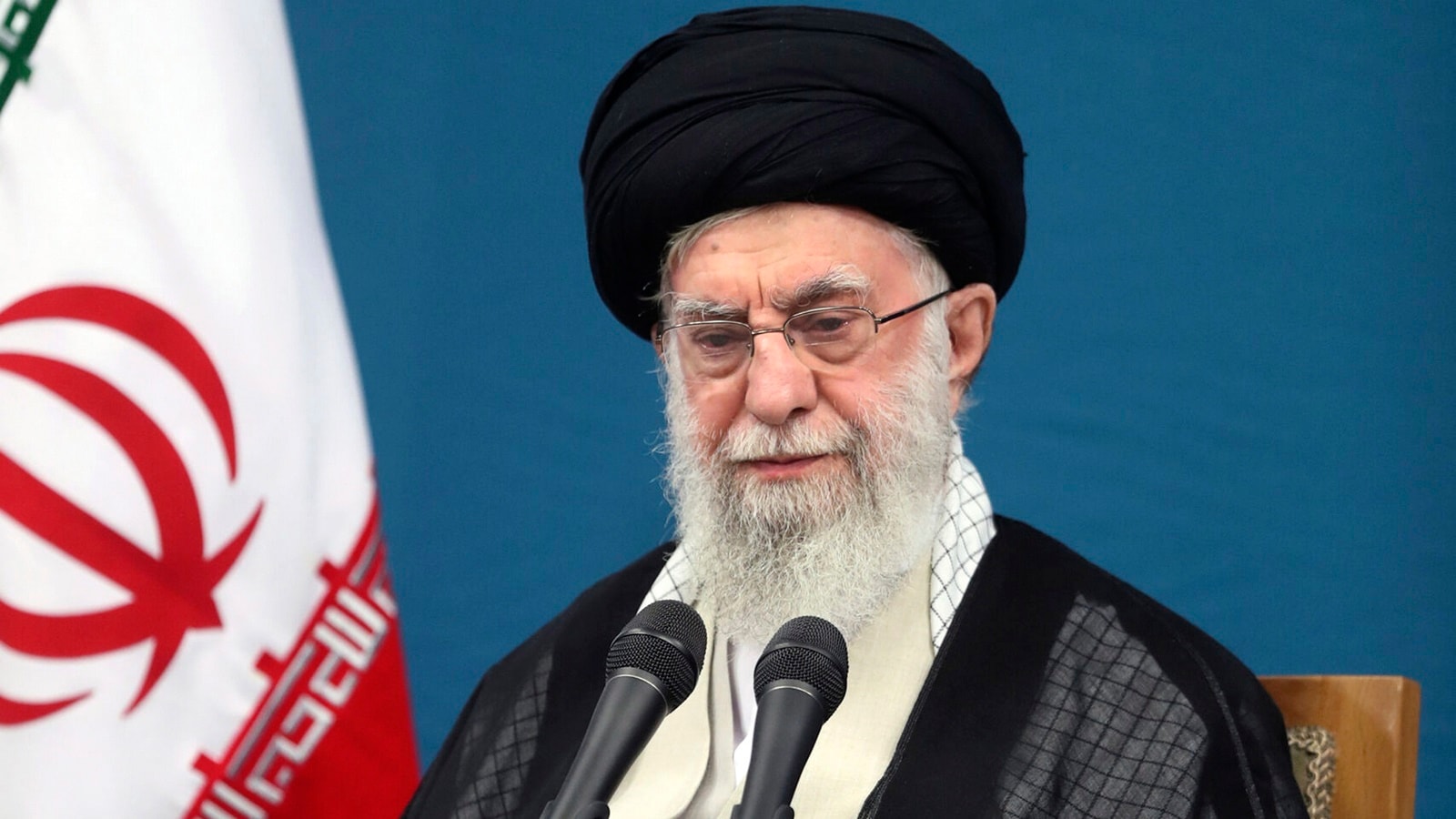
Iran's Supreme Leader Ayatollah Mojtaba Khamenei Announces New Phase for Strait of Hormuz
 BREAKING
Macron Warns Israeli Strikes on Lebanon Threaten Ceasefire, Expresses Solidarity with Beirut
 BREAKING
Analyst expresses optimism for potential resolution in ongoing negotiations
 BREAKING
Lindsey Graham Expresses Satisfaction Following Trump's Address
 BREAKING