

White House: President Trump Secures Reopening of Strait of Hormuz for International Shipping
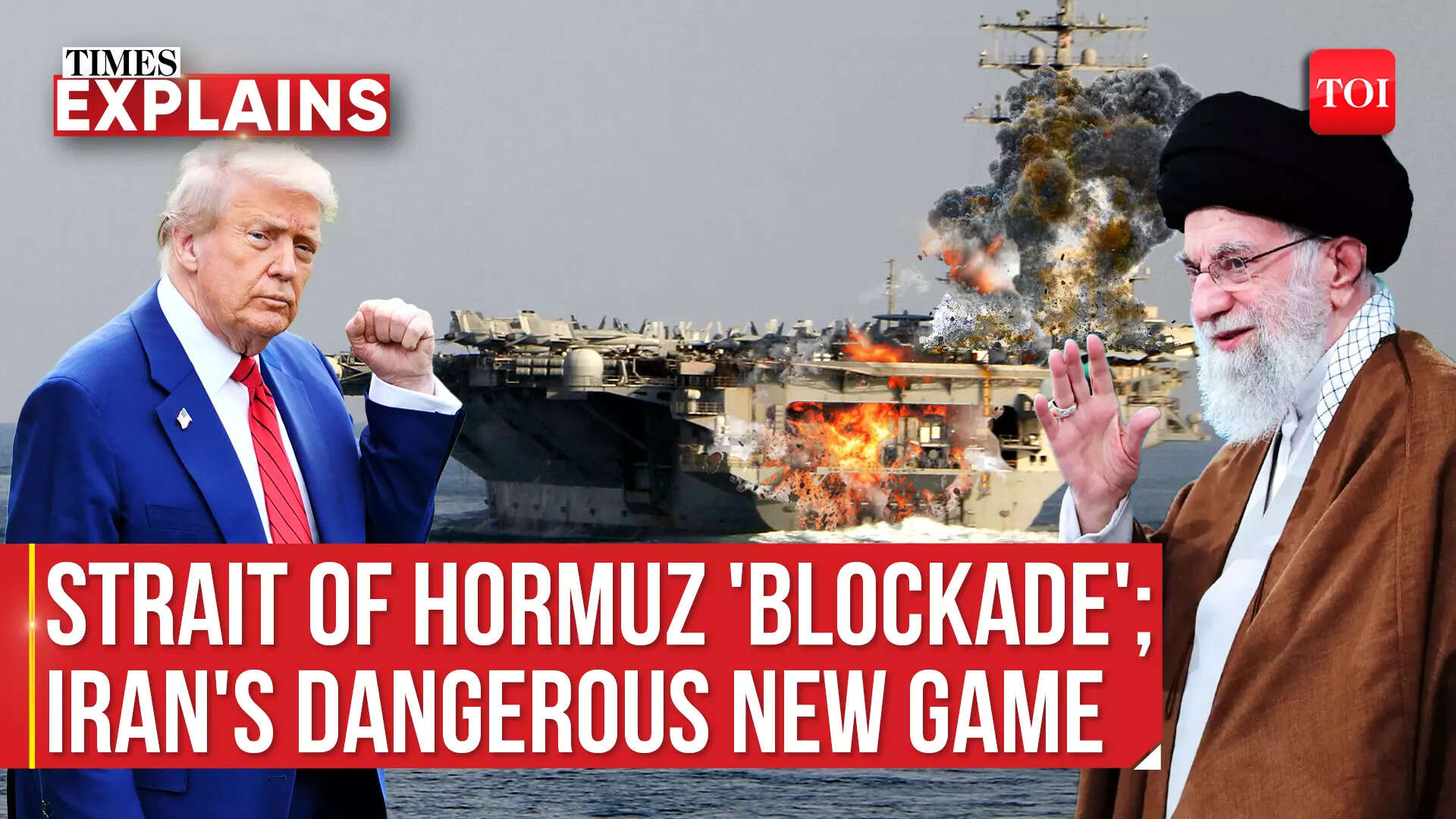
The White House announced Tuesday that President Donald Trump has secured the reopening of the Strait of Hormuz to international shipping, marking a significant diplomatic development in one of the world's most strategically vital waterways. White House Press Secretary Karoline Leavitt confirmed the breakthrough, crediting Trump's personal engagement with regional leaders for resolving what had threatened to become a prolonged disruption to global maritime commerce.
The Strait of Hormuz, a narrow passage between Iran and the Oman peninsula, serves as the primary conduit for approximately one-fifth of the world's oil supply. Any closure or disruption to the waterway carries immediate consequences for energy markets globally, with Gulf exporters — including Qatar, Saudi Arabia, the United Arab Emirates, and Kuwait — bearing the most direct economic exposure.
For Qatar, the reopening carries particular significance. The world's leading exporter of liquefied natural gas relies on unimpeded transit through the strait to fulfill long-term supply contracts with customers across Asia and Europe. Qatari Energy Minister Saad al-Kaabi has previously stressed that freedom of navigation in the Gulf is a cornerstone of international energy security, and Doha has consistently advocated for diplomatic solutions to regional tensions that safeguard open sea lanes.
The announcement comes against a backdrop of heightened tensions involving Iran, which has periodically threatened to close the strait in response to Western sanctions and military pressure. Tehran controls the northern shore of the passage and has deployed naval assets in the Gulf on multiple occasions to signal its capacity to interdict shipping.
Trump's intervention appears to have involved direct communication with Iranian officials, though the specific terms of the arrangement have not been disclosed by the administration. The development aligns with the president's stated preference for deal-making over prolonged military confrontation, and arrives at a moment when his administration has been pursuing a broader diplomatic track with Tehran.
Regional analysts caution that while the immediate reopening is a welcome development, the underlying tensions that brought the strait to the brink of closure remain unresolved. Durable maritime security in the Gulf, they argue, requires a sustained framework of dialogue involving Iran, the Gulf Cooperation Council states, and international maritime bodies — not a one-off intervention that leaves structural disputes untouched.
Global oil prices moved on the news, with Brent crude retreating from earlier highs as traders recalibrated risk premiums built into Gulf supply routes. Shipping insurers were also expected to revise war-risk surcharges that had been applied to vessels transiting the strait in recent weeks.
النسخة العربية
نجاح الرئيس ترمب في تأمين إعادة فتح مضيق هرمز أمام الملاحة الدولية، وفقاً للمتحدثة باسم البيت الأبيض
أعلن البيت الأبيض يوم الثلاثاء أن الرئيس الأمريكي دونالد ترمب نجح في تأمين إعادة فتح مضيق هرمز أمام حركة الملاحة الدولية، في تطور دبلوماسي بالغ الأهمية يتعلق بواحد من أكثر الممرات المائية استراتيجية في العالم. وأكدت المتحدثة باسم البيت الأبيض كارولين ليفيت هذا الإنجاز، مشيرةً إلى أن الانخراط الشخصي للرئيس ترمب مع قادة المنطقة كان العامل الحاسم في حسم ما كان يُهدد بالتحول إلى أزمة مطوّلة تعرقل حركة التجارة البحرية الدولية.
يُعدّ مضيق هرمز، ذلك الممر الضيق الواقع بين إيران وشبه جزيرة عُمان، المنفذ الرئيسي لما يقارب خُمس إجمالي إمدادات النفط العالمية. وتترتب على أي إغلاق أو تعطيل لهذا الممر تداعيات فورية على أسواق الطاقة في شتى أنحاء المعمورة، وتقع دول الخليج المصدّرة — ومنها قطر والمملكة العربية السعودية والإمارات العربية المتحدة والكويت — في مقدمة الدول الأكثر تضرراً اقتصادياً من أي اضطراب في هذا الشريان الحيوي.
بالنسبة لدولة قطر، يكتسب هذا الإعلان أهمية استثنائية، إذ تعتمد أكبر دولة مصدِّرة للغاز الطبيعي المسال في العالم اعتماداً كلياً على حرية العبور في المضيق لتسليم التزاماتها التعاقدية طويلة الأمد لعملائها في آسيا وأوروبا. وكان وزير الطاقة القطري سعد الكعبي قد أكد في مناسبات سابقة أن حرية الملاحة في الخليج تمثل ركيزة أساسية لأمن الطاقة الدولي، فيما دأبت الدوحة على المناداة بالحلول الدبلوماسية لتهدئة التوترات الإقليمية وصون حرية الممرات البحرية.
Source tweet
🚨 President Trump's efforts reopen the strategic Strait of Hormuz, ensuring international maritime navigation. However, global security requires consistent dialogue with regional stakeholders, not ad-hoc maneuvers.
More Stories
 Diplomacy
Trump Sends Envoys to Islamabad
 BREAKING
Trump Denies Iran Connection to Assassination Attempt
 Diplomacy
Trump Announces Lebanon Truce Extension
 Politics
Lebanese President: Negotiations Require Ceasefire and Israeli Withdrawal
 Diplomacy