

Zarif to Southern Neighbors: Trump Will Leave, Iran Will Remain
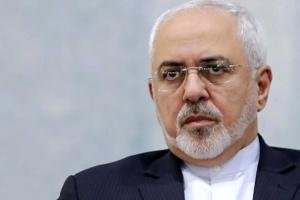
Iran's former Foreign Minister Mohammad Javad Zarif has delivered a significant message to the Gulf Cooperation Council (GCC) countries, asserting that while U.S. President Donald Trump may eventually leave office, Iran will remain a constant and influential presence in the region. In a post on social media platform X, Zarif emphasized the futility of relying on foreign military bases for security, arguing that such installations do not foster stability but instead serve as launching pads for conflict.
Zarif's remarks come amid ongoing tensions between Iran and its southern neighbors, many of whom have historically sought security guarantees from the United States rather than developing their own defense capabilities. He criticized GCC nations for outsourcing their security needs, pointing to a long-standing pattern of reliance on foreign powers. Zarif highlighted several key historical events, including the financial backing of Saddam Hussein's war against Iran in the 1980s and the rejection of Iran's proposals for regional security cooperation.
The significance of Zarif's statement lies in its reflection of Iran's broader strategy to assert its influence in the Gulf region, particularly as the geopolitical landscape shifts with changing U.S. foreign policy. He noted that from the Iran-Iraq War to the present day, GCC countries have often chosen confrontation over collaboration with Iran, leading to a cycle of mistrust and hostility. Zarif's comments serve as a reminder that while external actors may come and go, Iran's geographical and political presence in the region is enduring.
In recent years, the GCC has faced criticism for its alignment with U.S. policies that have often been detrimental to regional stability. Zarif pointed out that the GCC's support for U.S. military initiatives has not only failed to secure their own interests but has also left them vulnerable to external pressures. He argued that the current geopolitical dynamics have turned these nations into shields for Israel, further complicating their security landscape.
Zarif's assertion that "security must be for all" calls for a reevaluation of the GCC's approach to Iran and regional security. He advocates for a collective security framework that includes all nations in the Gulf, rather than relying on foreign military presence, which he claims has historically led to conflict rather than peace.
As Iran continues to navigate its relationships with its neighbors, Zarif's message resonates particularly in the context of the Gulf's evolving security architecture. The region is at a crossroads, facing challenges that require cooperation rather than division. The call for a new security paradigm could potentially reshape the interactions between Iran and the GCC, fostering a more stable and collaborative environment.
From a Qatari perspective, Zarif's comments highlight the necessity for dialogue and understanding among Gulf nations. As Qatar has sought to mediate regional disputes and promote stability, the emphasis on mutual security and cooperation aligns with its diplomatic efforts. The future of Gulf security may depend on the ability of these nations to engage with one another constructively, rather than relying on external powers whose interests may not align with those of the region.
النسخة العربية
ظریف لجيرانه الجنوبيين: ترامب سيغادر وإيران ستبقى
في رسالة واضحة لجيران إيران في جنوب الخليج، أكد وزير الخارجية الإيراني الأسبق محمد جواد ظريف أن الرئيس الأمريكي السابق دونالد ترامب قد يرحل، لكن إيران ستظل حاضرة في المنطقة. جاءت هذه التصريحات في سياق تغريدة نشرها ظريف على منصة التواصل الاجتماعي "إكس"، حيث شدد على أن الأمن لا يمكن شراؤه من الخارج، وأن القواعد العسكرية الأجنبية لا تجلب الاستقرار بل قد تكون شرارة لاندلاع الحروب.
تعكس تصريحات ظريف تاريخاً طويلاً من التوترات بين إيران ودول مجلس التعاون الخليجي، حيث أشار إلى أن هذه الدول اعتمدت على قوى خارجية لضمان أمنها في مواجهة إيران على مدى العقود الخمسة الماضية. من تمويل حرب صدام حسين ضد إيران في الثمانينيات إلى رفض مقترحات إيران للأمن الإقليمي، مثل مبادرة "الأمل" للسلام في مضيق هرمز، يبدو أن دول الخليج فضلت التعاون مع القوى الغربية على حساب بناء علاقات مستقرة مع إيران.
كما أشار ظريف إلى أن دول الخليج دعمت استراتيجيات مثل "قطع رأس الأفعى" ضد إيران، ورفضت مبادرات مثل معاهدة عدم الاعتداء التي اقترحتها إيران في 2015. وبدلاً من ذلك، قامت هذه الدول بتمويل قواعد عسكرية أمريكية في المنطقة، وعملت على الضغط على إيران عبر اللوبيات ضد الاتفاق النووي الإيراني المعروف بـ "برجام".
Source tweet
Iran's Foreign Minister Zarif reassures southern neighbors that while Trump may leave, Iran will remain a steadfast presence in the region. #Iran #Diplomacy
More Stories
 Diplomacy
Trump Announces Lebanon Truce Extension
 Diplomacy
Trump Demands NATO Act on Hormuz as Iran Strait Crisis Deepens
 Gulf
GulfSaudi Arabia and UAE Press Trump to Maintain Iran Sanctions After Hormuz
 BREAKING
Trump Describes Situation in South Africa as Genocide
 Iran
Iran