

Africa's Growth at Risk Amid Ongoing Middle East Conflicts, Report Says
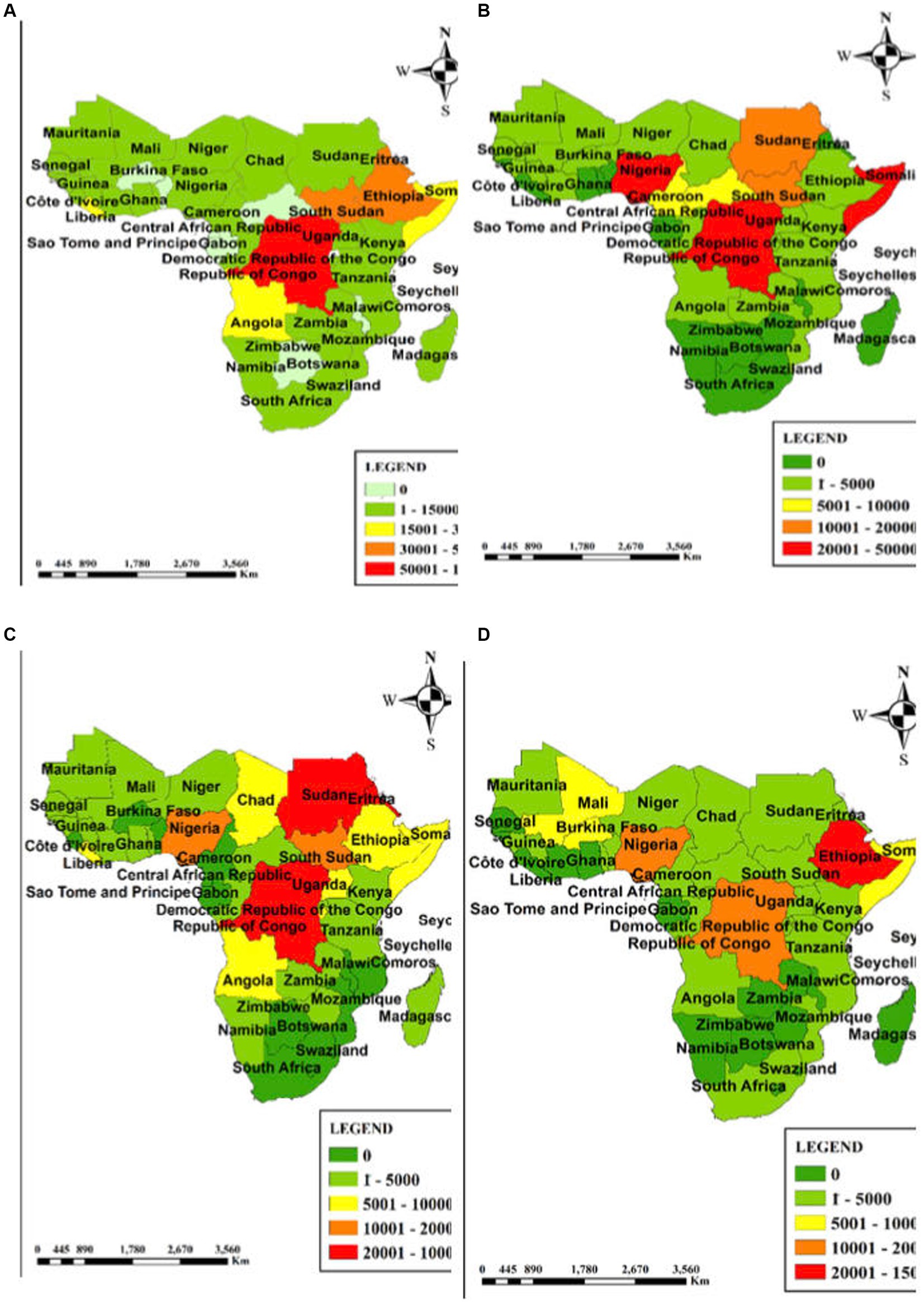
A recent report warns that Africa's economic growth could face a significant slowdown if the ongoing conflicts in the Middle East persist, highlighting the interconnectedness of global economies and the potential ripple effects of regional instability. The report emphasizes that conflicts in the Middle East, particularly those involving key players in the global oil market, could have dire consequences for Africa's economic trajectory. Many African nations rely on oil imports from the Middle East, and disruptions in supply chains or fluctuations in oil prices could lead to increased costs and economic instability across the continent. If the situation in the Middle East escalates, the resulting economic fallout could hinder Africa's recovery from previous downturns and impede future growth prospects.
The significance of this warning is considerable. Africa has been striving for economic resilience and growth, with various nations implementing reforms and diversifying their economies. However, the continent's progress is vulnerable to external shocks, particularly from regions that play a crucial role in global trade and energy supply. Prolonged conflict could exacerbate existing challenges such as inflation, currency depreciation, and reduced foreign investment, all of which are critical for sustainable development in Africa.
In addition to the immediate economic implications, the report raises concerns about the broader socio-political landscape in Africa. Economic instability often leads to increased unemployment and social unrest, complicating governance and development efforts. As African nations work to build stronger institutions and improve living standards, any setback caused by external conflicts could derail years of progress and exacerbate poverty levels.
The potential slowdown in growth is particularly concerning given the ongoing efforts by African countries to attract foreign investment and foster trade partnerships. The African Continental Free Trade Area (AfCFTA), launched to create a single market for goods and services across the continent, is a crucial initiative aimed at boosting intra-African trade and economic integration. However, the success of such initiatives may be jeopardized if external factors, such as conflicts in the Middle East, continue to create economic uncertainty.
From a Gulf perspective, the implications of the report are significant. The Gulf Cooperation Council (GCC) countries have considerable economic ties with Africa, particularly in sectors such as energy, infrastructure, and agriculture. As the Middle East faces its own challenges, the GCC nations may need to reassess their strategies and partnerships with African countries to ensure mutual growth and stability. Strengthening economic ties with Africa could serve as a buffer against the volatility stemming from regional conflicts, allowing for a more resilient approach to development.
This report serves as a critical reminder of the interconnected nature of global economies and the potential consequences of regional conflicts. For Africa, the stakes are high, and the need for economic stability is paramount as the continent navigates its path toward sustainable growth. The ongoing situation in the Middle East will undoubtedly play a pivotal role in shaping Africa's economic future, making it essential for stakeholders across the region to remain vigilant and proactive in their efforts to foster stability and development.
النسخة العربية
أفريقيا تواجه تباطؤًا حادًا في النمو بسبب النزاعات في الشرق الأوسط
تحذر تقارير جديدة من أن القارة الأفريقية قد تواجه تباطؤًا حادًا في النمو الاقتصادي إذا استمرت النزاعات في منطقة الشرق الأوسط لفترة أطول. يعتبر الاستقرار الاقتصادي في الشرق الأوسط عاملاً حيوياً لمستقبل التنمية في أفريقيا، حيث تعتمد العديد من الدول الأفريقية على العلاقات التجارية والاستثمارية مع دول المنطقة.
تأتي هذه التحذيرات في سياق تصاعد التوترات في الشرق الأوسط، والتي قد تؤدي إلى اضطرابات في الأسواق العالمية وتأثيرات سلبية على الاقتصاد الأفريقي. تعتمد العديد من الدول الأفريقية على استيراد السلع الأساسية من الشرق الأوسط، بما في ذلك النفط والغاز، مما يجعلها عرضة لتقلبات الأسعار والاضطرابات في سلاسل التوريد.
وفقًا للتقرير، فإن استمرار النزاعات في الشرق الأوسط يمكن أن يؤدي إلى زيادة تكاليف الطاقة، مما سيؤثر بشكل مباشر على اقتصادات الدول الأفريقية التي تعتمد بشكل كبير على واردات النفط. كما أن ارتفاع أسعار الطاقة قد يؤدي إلى تضخم في الأسعار، مما يزيد من الأعباء الاقتصادية على الحكومات والمواطنين على حد سواء.
Source tweet
A new report warns that Africa could experience a sharper growth slowdown if the ongoing conflicts in the Middle East continue. Economic stability in the region is crucial for Africa's future development.
More Stories
 Iran
IranUS Official: Over 15 US Warships Stationed in Middle East for Hormuz Blockade
 BREAKING
U.S. Navy Deploys Minesweeping Ships to Middle East for Strait of Hormuz Operations
 Politics
UNDP Director States Middle East Conflict Hinders Development, Impact Remains Post-War
 BREAKING
Von der Leyen: Middle East Crisis Underscores Need for Green Energy Transition
 flights