

Asia Faces Largest LNG Import Drop Since 2022 Amid Iran War Disruptions
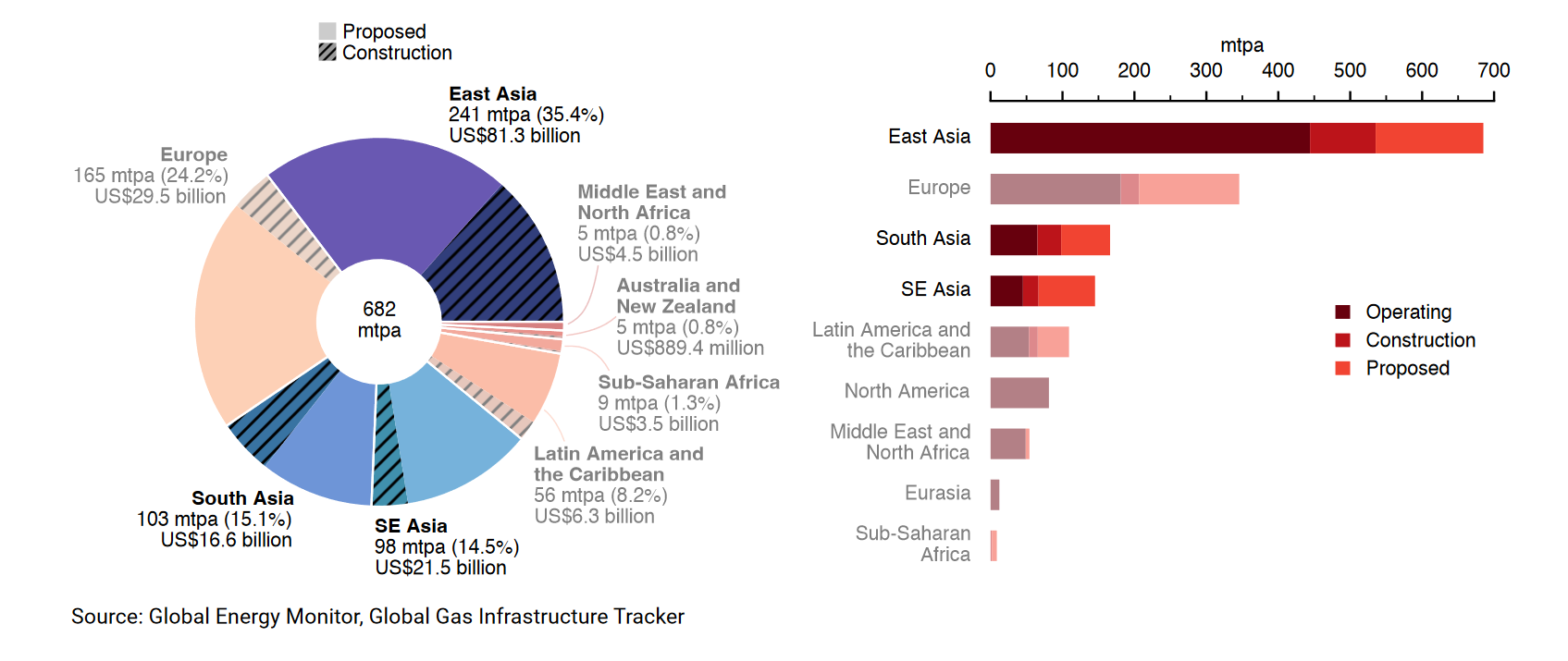
Asia's liquefied natural gas (LNG) imports have seen a significant decline since 2022, primarily due to disruptions caused by the ongoing conflict in Iran, raising serious concerns about energy security in the region. Recent data indicates a sharp drop in imports, suggesting a potential shift in the energy landscape that could have extensive implications for Asian economies that heavily depend on LNG.
The conflict in Iran has had a ripple effect on global energy markets, affecting supply chains and increasing volatility in LNG pricing. As a key player in the energy sector, Iran's geopolitical tensions have not only impacted its own production capabilities but have also influenced broader supply dynamics in Asia. The region, a major consumer of LNG, is now facing the consequences of reduced availability, leading to fears of potential shortages and price spikes in the near future.
In light of these disruptions, Asian countries are reassessing their energy strategies and supply sources. The decline in LNG imports is particularly troubling for nations like Japan, South Korea, and China, which have historically relied on stable LNG supplies to meet their energy demands. This situation is further complicated by the transition many Asian countries are making toward cleaner energy sources, making reliable access to LNG essential for balancing energy needs while reducing carbon emissions.
The decline in imports presents not only a short-term issue but also long-term challenges for energy security and economic stability in the region. As Asian economies continue to recover from the impacts of the COVID-19 pandemic, the necessity for a dependable energy supply becomes increasingly critical. Current disruptions may prompt a reevaluation of energy policies, with countries potentially seeking to diversify their energy sources to mitigate risks associated with geopolitical instability.
In response to the situation, some Asian nations are exploring alternative energy partnerships and investing in renewable energy technologies. This shift could lead to a more resilient energy framework in the region, although it may take time for these initiatives to fully materialize. The urgency to develop domestic energy resources and enhance regional cooperation in energy supply chains is becoming more pronounced as the implications of the Iranian conflict unfold.
From a Gulf perspective, the situation presents both challenges and opportunities. Gulf countries, particularly those with significant LNG production capabilities, may find themselves in a position to fill the gaps left by disrupted supplies from Iran. As Asian nations seek to secure their energy needs, Gulf producers could strengthen their roles as reliable suppliers, potentially enhancing economic ties with key markets in Asia. However, the volatility in global energy markets requires a careful approach to pricing and supply commitments as countries navigate the complexities of an evolving geopolitical landscape.
The ongoing conflict in Iran highlights the interconnectedness of global energy markets and the vulnerabilities that can arise from geopolitical tensions. As Asia faces its largest LNG import decline since 2022, the region's energy security is at a critical juncture, prompting urgent discussions on how to ensure stable and sustainable energy supplies in the future.
النسخة العربية
آسيا تواجه أكبر انخفاض في واردات الغاز الطبيعي المسال منذ 2022 بسبب الحرب في إيران
شهدت واردات الغاز الطبيعي المسال في آسيا أكبر انخفاض لها منذ عام 2022، وذلك بسبب الاضطرابات الناجمة عن الصراع المستمر في إيران، مما يثير القلق بشأن أمن الطاقة في المنطقة.
تعتبر آسيا واحدة من أكبر الأسواق العالمية للغاز الطبيعي المسال، حيث تعتمد العديد من الدول الآسيوية على هذه الموارد لتلبية احتياجاتها من الطاقة. ومع ذلك، فإن الصراع المستمر في إيران قد أثر بشكل كبير على تدفقات الغاز الطبيعي المسال إلى المنطقة، مما أدى إلى تراجع كبير في الواردات. هذا الانخفاض في الإمدادات يضع ضغوطاً إضافية على الدول الآسيوية التي تسعى جاهدة لتأمين مصادر طاقة مستقرة وموثوقة.
وفقاً للتقارير، فإن الاضطرابات في إيران قد أدت إلى تعطيل سلاسل التوريد، مما أثر على قدرة الدول الآسيوية على استيراد الغاز الطبيعي المسال بكميات كافية. هذا الوضع يعكس هشاشة الأسواق العالمية للطاقة، حيث يمكن أن تؤدي التوترات الجيوسياسية إلى تأثيرات كبيرة على توافر الموارد الأساسية. كما أن هذا الانخفاض في الواردات يأتي في وقت حساس، حيث تسعى الدول إلى تعزيز أمنها الطاقي في مواجهة التحديات البيئية والاقتصادية.
Source tweet
Asia's LNG imports have seen the steepest decline since 2022, primarily due to disruptions caused by the ongoing conflict in Iran. This shift raises concerns over energy security in the region.
More Stories
 Gulf
GulfBahrain Announces Interception of Hundreds of Missiles, Drones Since Start of Iranian Aggression
 BREAKING
Nizar Amidi Elected as Iraq's Sixth President Since 2003
 travel
Qatar Airways Adjusts Schedule Amid Global Disruptions
 BREAKING
Israeli Media Reports 100 Rockets Fired from Lebanon into Israel Since Ceasefire
 Politics